 Platinum trusted service award
Table of Contents
- The Importance of Washing Bedding Regularly
- Factors That Influence How Often You Should Wash Bedding
- How Frequently Should You Wash Your Bed Linen?
- How to Wash Your Bedding Properly
- Final Thoughts
- FAQs
There's nothing quite like getting into a freshly made bed after a long day, and enjoying the feel of crisp sheets and soft pillowcases against your skin. But how often should you wash your bedding to keep it clean and comfortable?
While it can be tempting to stretch the time between washes, bedding can collect so much more than just dust mites. Sweat, body oils, skin cells, and allergens can build up over time, affecting the hygiene and longevity of your sheets.
In this guide, we'll explore the importance of regular washing, what factors influence the ideal frequency, and how to care for your bedding the right way.
The Importance of Washing Bedding Regularly
We spend around one-third of our lives in bed. During that time, our bedding absorbs perspiration, dead skin cells, and natural oils, creating perfect conditions for bacteria to multiply.
Regular washing helps in the following ways:
-
Removes dirt, odours, dead skin cells, and sweat residue
-
Reduces allergens that may trigger sneezing or itching
-
Keeps fabrics soft, bright, and long-lasting
-
Maintains the fresh scent of a clean bed
Given how much time we spend in bed, this simple weekly habit makes a significant difference to both your comfort and wellbeing.



Factors That Influence How Often You Should Wash Bedding
The ideal washing schedule isn't the same for everyone. It depends on several personal and environmental factors that affect how quickly your sheets become dirty.
Let's take a closer look so you can come up with a washing routine that aligns with your specific needs.
Personal health
If you're in good physical health and sleep alone, you can usually get away with washing your sheets every 7-10 days. However, certain conditions may require you to shorten this cycle, including:
Allergies and asthma
Those who suffer from allergies and asthma should wash their bedding at least once a week to prevent flare-ups. Dust mites and pollen can easily accumulate, triggering congestion, sneezing, and breathing difficulties.
Regular laundering at higher temperatures can help remove allergens and ensure a peaceful night's sleep.
Sweating
If you tend to sweat more than the average person, overheat at night, or live in a warm climate, you'll need to wash more frequently.
Sweat and body oils can build up quickly, dulling the fabric's feel and reducing its breathability.
Illness
After recovering from the flu or another virus, wash your sheets and bedding immediately. This eliminates lingering germs and helps prevent re-exposure.
Skin conditions
People prone to acne, eczema, or other skin conditions may benefit from changing their bedding more regularly. For reduced skin irritation, aim to wash your pillowcases at least every few days.
Hypoallergenic materials, such as bamboo and silk, also act as skin-friendly fabric choices.
Lifestyle factors
Certain habits, lifestyle choices, and household circumstances can also impact how often you should wash your bedding. For example:
Pets
Do you love sharing your bed with your furry friends? If so, you may need to wash your bedding more frequently (at least weekly). Pet hair, dander, and dirt can quickly accumulate, especially during shedding seasons.

Sleeping partner
Two people in one bed naturally produce more warmth and moisture than one. This means more frequent washing may be necessary to keep your bed fresh.
Post-workout hygiene
If you're someone who likes to go to the gym in the evening, you should always shower before getting into bed. Heading to bed directly after a workout can lead to more body oils and bacteria on your sheets.
Even if you shower beforehand, it's still a good idea to wash your bedding more frequently if you exercise daily.
Guests
If you host guests in your home, wash bedding between stays to ensure a welcoming and hygienic environment.
Even if a guest only stays for one night, it's still best to launder directly after they leave. This way, your guest bedroom will be fresh and clean for your next visitors.
Eating in bed
If you can, avoid eating in bed. Crumbs and spills are an invitation for bacteria, as well as pests like ants. Furthermore, you can end up damaging and staining your bedding. If you occasionally enjoy breakfast in bed, it's wise to wash your sheets soon afterwards.
Environmental factors
Your surrounding environment also plays a significant role in how often your bed linen needs attention.
Climate
Hot, humid weather encourages sweat and bacteria build-up, resulting in a need for more frequent washes. In contrast, cooler, drier climates allow for longer intervals between washes.
If you live somewhere with a tropical climate, it is well worth investing in an air-conditioning system to save your bedding from excess sweat. The bonus? A better night's sleep.
Dust
Dusty environments can be caused by weather and nearby construction. In most cases, dust is unavoidable, but it can lead to quicker accumulation of airborne particles, which settle into fabric fibres and dull their appearance over time.
How Frequently Should You Wash Your Bed Linen?
Since lifestyle factors and personal preference play a role in recommended frequency, there isn't a universal rule. However, here's a helpful guide for keeping your bedding at its best:
-
Pillowcases: Every 3-4 days, especially if you have a skin condition or oily hair.
-
Sheets: Once a week is usually sufficient to keep your bed free from allergens.
-
Duvet covers: Every 2-3 weeks, unless you sleep directly under your duvet cover without a top sheet. In this case, you should wash it weekly.
-
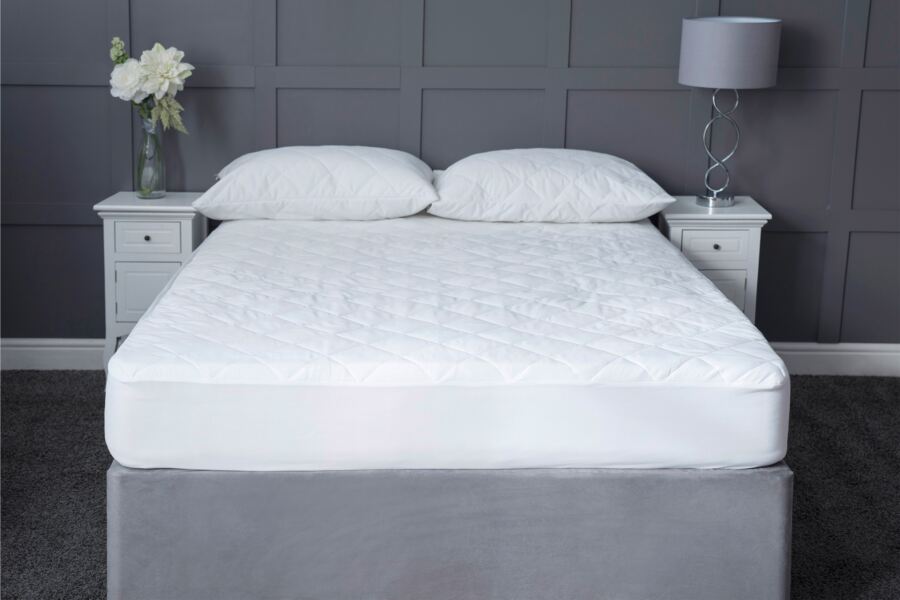
Mattress protectors: Every 4-6 weeks, or when you spill in bed.
-
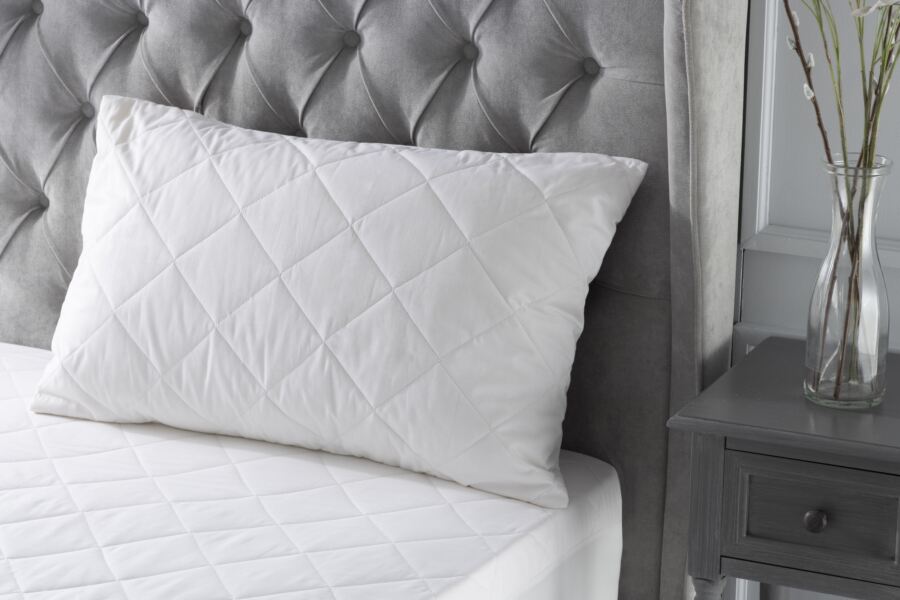
Pillow protectors: Every 3-5 weeks for optimised hygiene and pillow care.
-
Pillows: Every 3-6 months to remove dust mites and moisture build-up.
-
Duvets: Twice a year, or more frequently if you suffer from allergies.
If you use additional layers, like throws and decorative cushions, remember to refresh them occasionally, too.
How to Wash Your Bedding Properly
Even the highest-quality sheets can lose their softness and vibrancy without proper care, so follow these washing tips:
-
Check the care label: Always follow the manufacturer's guidelines for temperature and cycle settings. Different fabrics require specific care.
-
Use a gentle detergent: Choose mild detergents that preserve fibre integrity and colour. Avoid any harsh chemicals and bleaches.
-
Separate by colour and fabric: Wash whites and colours separately to avoid dullness or bleeding. Delicate items, like silk, should also be washed separately on a gentle cycle.
-
Avoid overloading the washing machine: Give your bedding enough space to move freely to ensure a thorough wash.
-
Mind the temperature: Warm water (around 40°C) is usually best for cotton fabrics. Higher temperatures also help remove allergens.
-
Line dry if possible: Air drying helps preserve fabric softness and reduces wear. If you're using a tumble dryer, choose a low-heat setting.
-
Iron for a crisp finish: Lightly pressing your sheets keeps them smooth and adds a dash of luxury.
Taking a little extra care when washing your bedding ensures it stays beautiful, soft, and durable for years to come.
Final Thoughts
Clean, well-cared-for bedding promotes better sleep and a healthier home environment, so it's well worth it to do that extra load of laundry. With a structured routine and the proper washing techniques, you can enjoy your fresh bedding to the fullest.
Here at Belledorm, we believe that luxury begins with comfort and care. Feel free to explore our range of premium bed linen, including Egyptian cotton, bamboo, and linen options. Designed for both elegance and longevity, you're sure to find a bedding set that aligns with your personal preferences, budget, and style.
FAQs
Is it okay to wash my bedding monthly?
Washing your bedding once a month is usually not enough to maintain proper hygiene. Most households should aim for weekly washes to enjoy fresh, clean sheets.
What happens if you don't wash your bed sheets?
Unwashed bedding accumulates sweat, oils, bacteria, and dust mites. The build-up can result in skin irritation, unpleasant odours, and poor sleep quality.
How often do Brits wash their bed sheets?
On average, Brits wash their bed sheets every two weeks. However, most experts recommend washing your sheets around once a week to maintain a hygienic bedroom environment.
Why do my sheets get so dirty so fast?
Excess sweat, environmental dust, and having pets sleep on the bed can all make your sheets feel grimy more quickly. Switching to breathable natural fabrics, like cotton or linen, can help them stay fresher for longer.
Should I wash new bedding before using it?
Yes. It's always a good idea to give new bedding a gentle wash before sleeping in it for the first time.