
13.5 Tog Winter Duvets

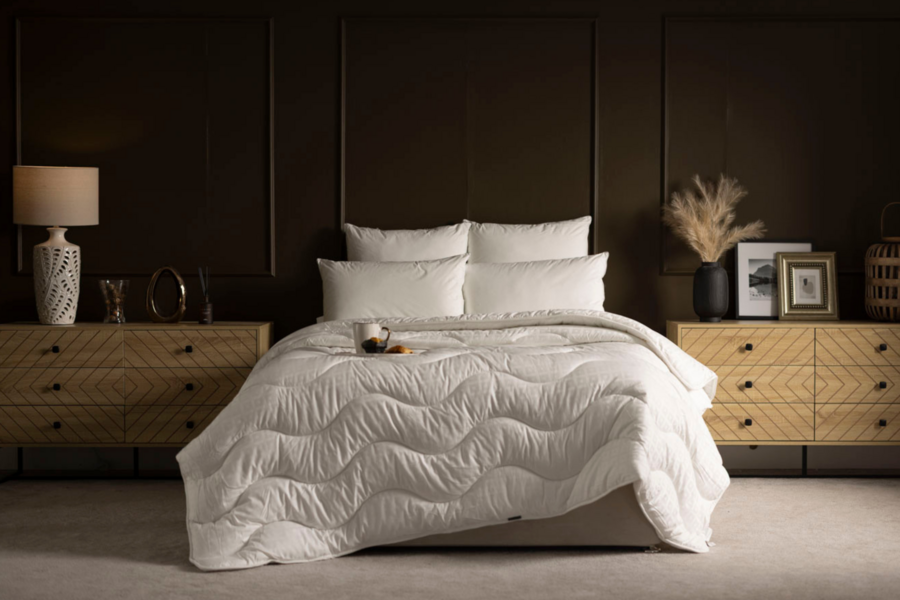
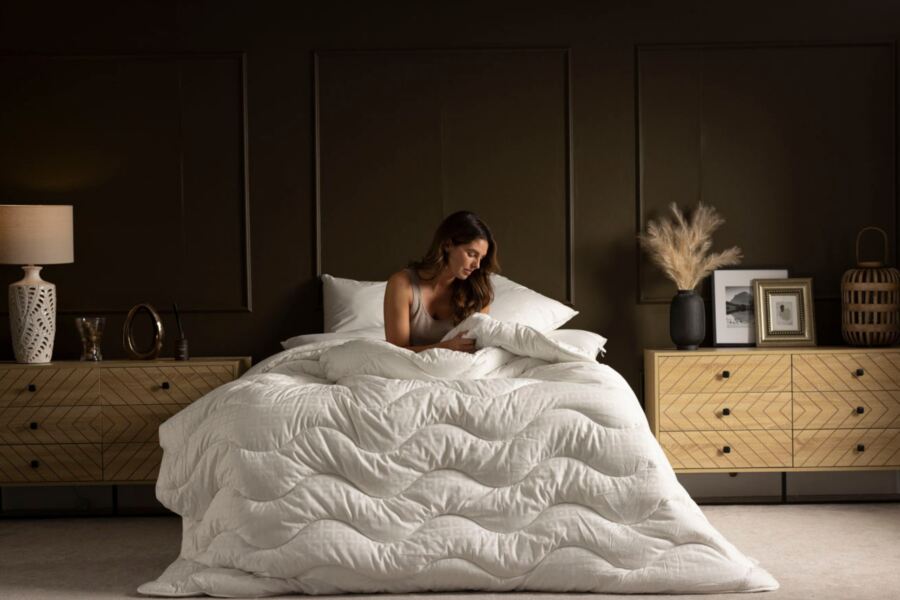
Wrap up in our warm 13.5 tog winter duvet, never feel cold again. You're guaranteed to achieve true comfort night after night, these are the perfect duvets to get you through the cold winter months.

»


Got 13.5 Tog Winter Duvet Questions? We've Got Answers

A 13.5 tog duvet is the recommended weight for winter in the UK. It provides a high level of insulation that traps body heat effectively, keeping you warm through the coldest nights between December and March. A 13.5 tog suits bedrooms where the temperature drops below 15°C overnight - which includes most UK homes where the heating is turned off or set to a timer during the night. If you keep your bedroom consistently heated above 18°C, you may find a 10.5 tog autumn-weight duvet is sufficient even in winter. Belledorm's winter duvets are available in 13.5 tog across all sizes, from single to emperor, in both natural and synthetic fillings.

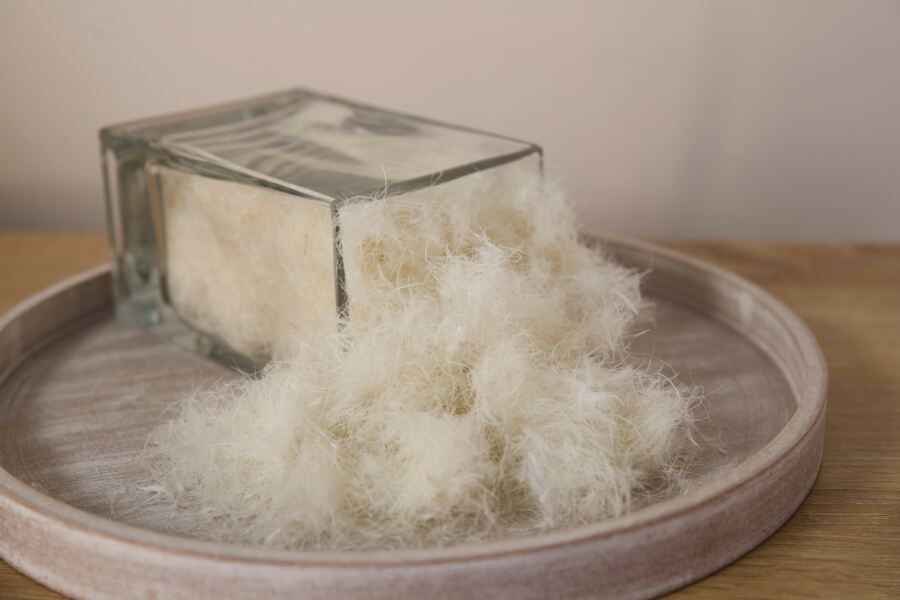
At the same tog rating, all fillings provide the same measured thermal insulation. The difference is in how the warmth feels and how the filling performs overnight. White goose down is the lightest filling for its warmth level - it creates a cocoon of insulating air pockets that warm up quickly and feel light on the body. Goose feather and down is heavier, which gives a more substantial, weighted feel that some people find more comforting in winter. Wool builds warmth steadily and wicks moisture at the same time, preventing the clammy feeling that can come from overheating under a heavy duvet. Synthetic microfibre provides even, consistent warmth and is the easiest to care for.

It can be. If your bedroom stays above 18°C overnight - whether through central heating, underfloor heating, or good insulation - a 13.5 tog duvet may cause you to overheat, particularly if you naturally sleep warm or share the bed. In a consistently heated room, a 10.5 tog duvet often provides enough warmth without the risk of waking up hot during the night. The right tog depends on your bedroom temperature rather than the season alone. If you are unsure, start with 13.5 tog and see how you feel after a few nights - if you are regularly pushing the duvet off or sleeping with arms and legs outside the covers, move down to 10.5.

Most people in the UK switch to a 13.5 tog winter duvet between late November and mid-December, once overnight temperatures are regularly dropping below 5°C outside and bedrooms are cooling noticeably. The clearest sign is how you feel in the early hours - if you are waking up cold, pulling the duvet tightly around you, or adding extra blankets on top of your 10.5 tog, it is time to move to a warmer weight. Switching a week or two earlier than you think you need to is usually better for your sleep than persisting with a lighter duvet and losing rest to the cold.

You can layer a lighter duvet on top of a heavier one for additional warmth, and this works as a short-term solution. However, two separate duvets tend to shift during the night, creating gaps where cold air gets in. A single 13.5 tog winter duvet provides more consistent, even insulation because the filling is distributed uniformly across one casing. If you find 13.5 tog is not warm enough - which is unusual in most UK homes - adding a bedspread or wool throw on top is more effective than layering two duvets. It adds warmth without the bulk and stays in place more easily.

A synthetic microfibre winter duvet is the most practical option for allergy sufferers. Microfibre does not provide a hospitable environment for dust mites, can be machine washed at 40°C to remove allergens, and dries relatively quickly even at 13.5 tog. Belledorm's microfibre winter duvets are fully hypoallergenic and box-quilted to keep the filling evenly distributed. If you prefer a natural filling, wool is naturally resistant to dust mites and mould - its moisture-wicking properties create a drier environment inside the duvet that discourages mite growth. Mulberry silk is similarly hypoallergenic. Always use a duvet protector underneath your duvet cover as an additional barrier against allergens.

The weight of a 13.5 tog duvet varies significantly depending on the filling. White goose down is the lightest - a king size goose down winter duvet typically weighs considerably less than the same size in synthetic microfibre, because down has a higher warmth-to-weight ratio. Goose feather and down is heavier than pure down but lighter than microfibre, with a more substantial drape. Wool sits in the middle - it has a natural weight that many people find comforting without feeling oppressive. Synthetic microfibre at 13.5 tog is the heaviest option. If you prefer a warm duvet that does not feel heavy on the body, white goose down or Mulberry silk are the fillings to consider.

Synthetic microfibre winter duvets can be machine washed at 40°C, but at 13.5 tog they are bulky - a king size or larger will almost certainly need a large-capacity machine at a laundrette. Use a gentle cycle with a mild detergent and no bleach. Tumble dry thoroughly on a low setting - any residual dampness trapped in the filling can lead to musty odours and encourage mould. Natural-filled winter duvets require more careful treatment: white goose down and feather and down can sometimes be machine washed on a delicate cycle, but wool and silk typically need professional cleaning. Always check the care label for your specific product before washing.

A well-cared-for winter duvet should last between five and ten years, depending on the filling and how it is maintained. Natural fillings such as goose down and wool tend to maintain their loft and insulating properties for longer than synthetic microfibre, which can flatten and lose warmth over time. Signs that your duvet needs replacing include uneven filling with thin patches, a noticeable loss of warmth compared to when it was new, persistent odours that do not clear after washing, or visible clumping where the filling has compressed. Using a duvet protector, airing the duvet regularly, and washing or dry cleaning according to the care label all help extend its useful life.

Your duvet is only one part of the equation. A brushed cotton fitted sheet retains more warmth than a standard cotton or polycotton sheet - the raised, napped surface traps a layer of air against the mattress, which feels noticeably warmer when you first get into bed. A mattress protector adds a thin insulating layer between you and the mattress. Layering a bedspread or wool throw over the top of your duvet provides extra warmth on the coldest nights without committing to a heavier tog all season. If your bedroom is draughty or poorly insulated, heavier curtains and draught excluders can make as much difference to your sleep temperature as the bedding itself.

Your recently viewed items