

 Platinum trusted service award
Standard Size Pillows
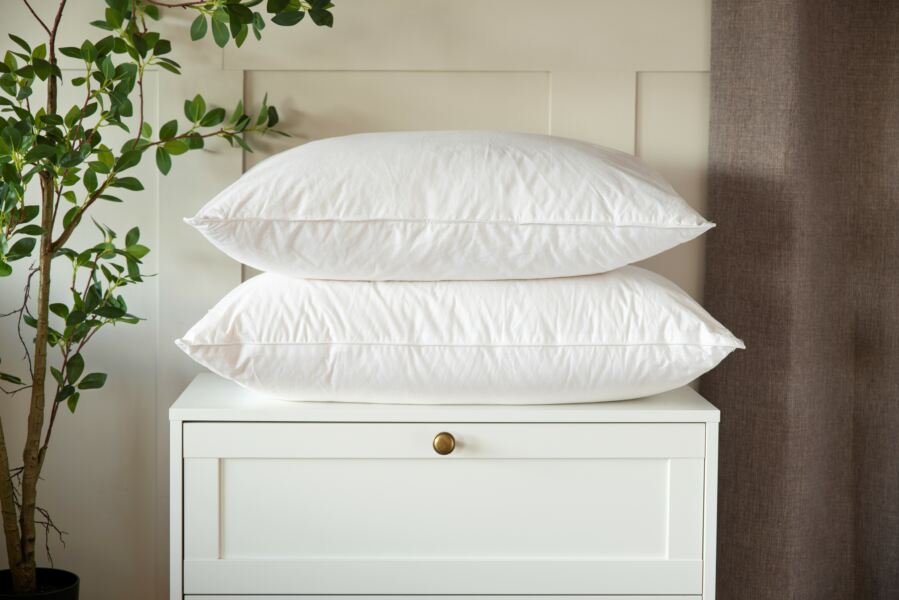
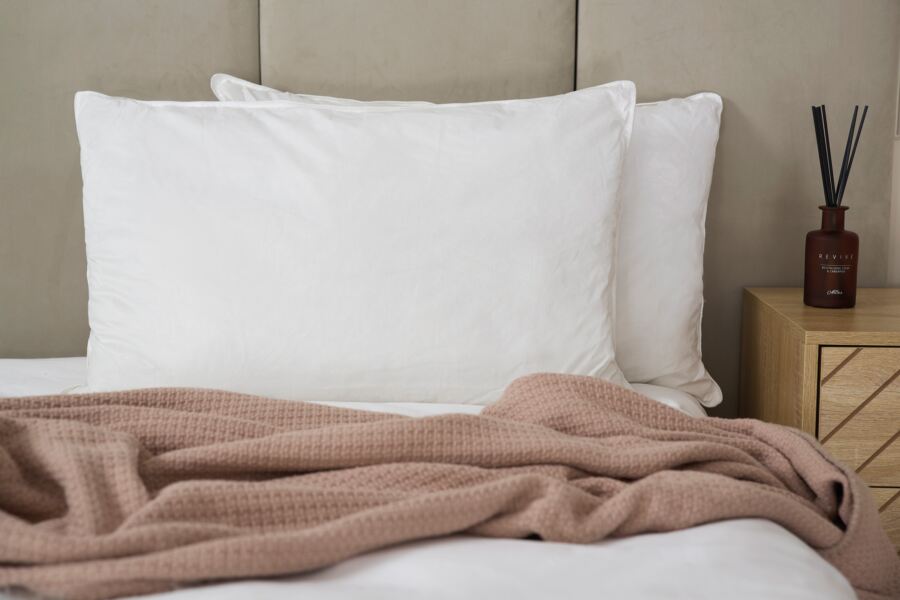
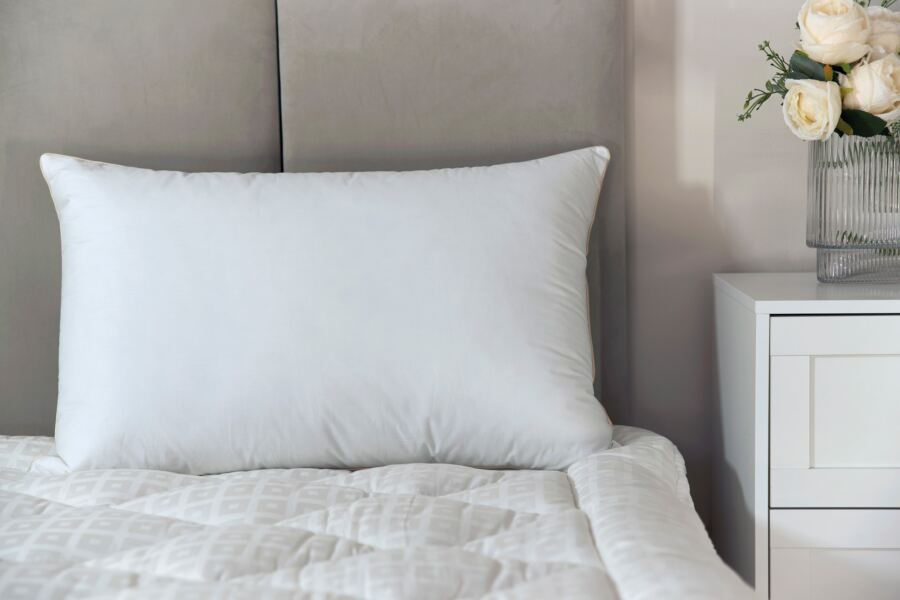
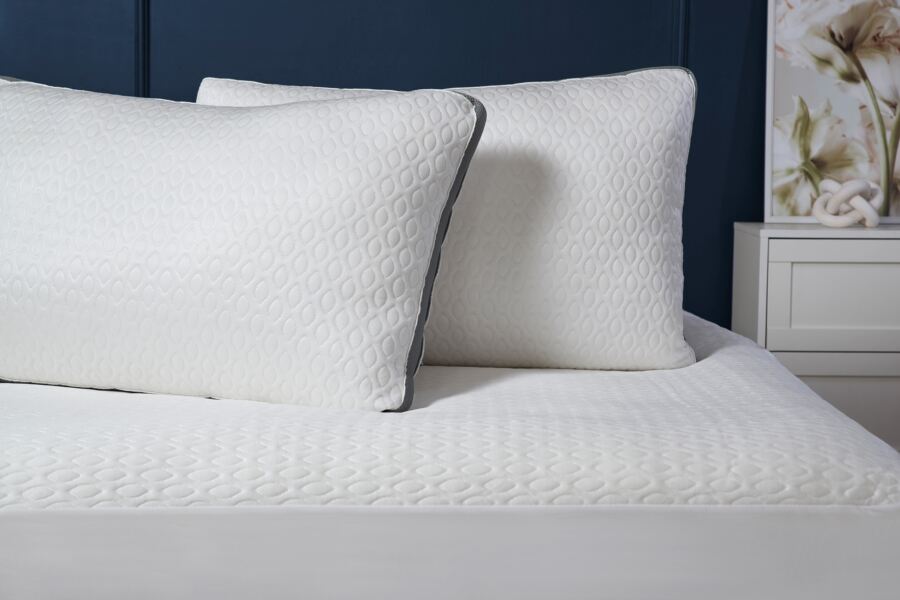
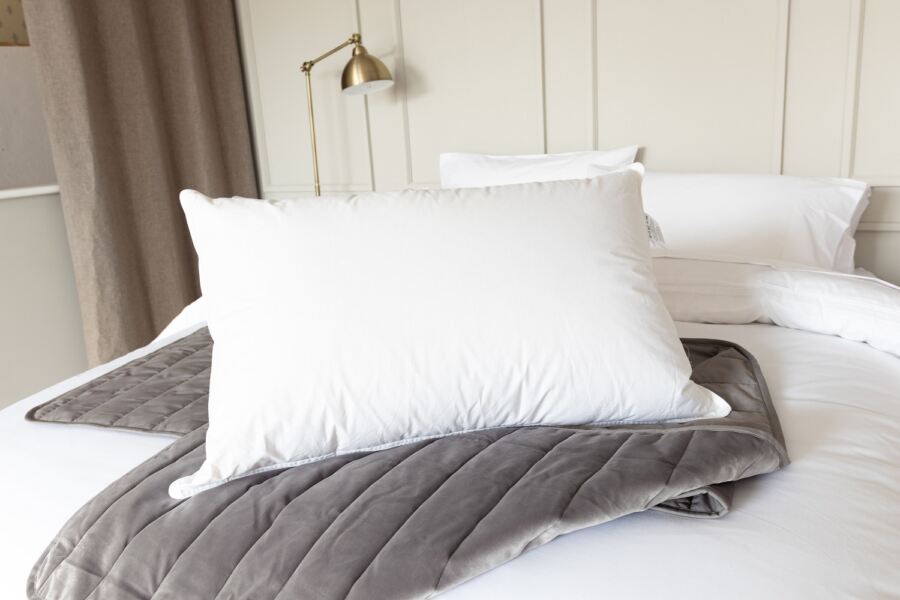
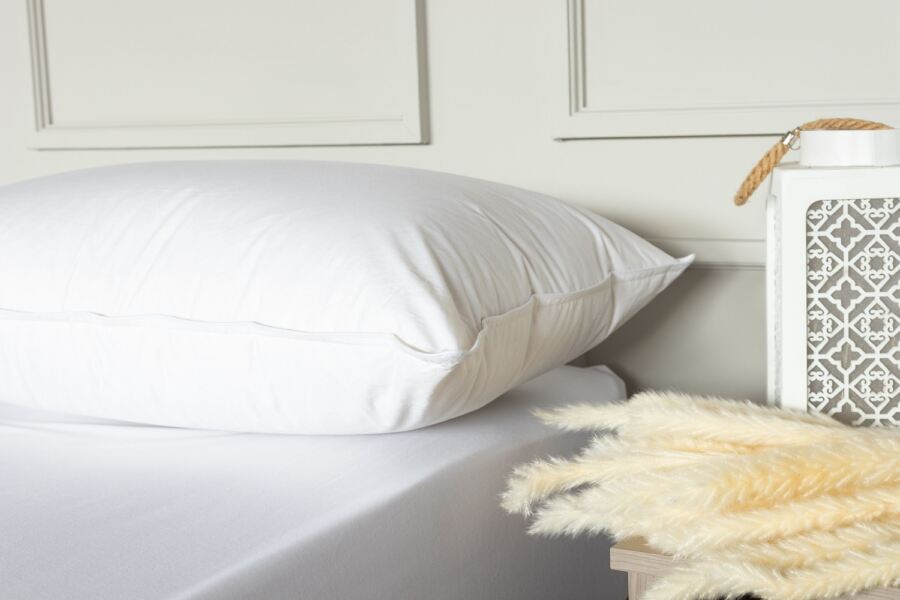
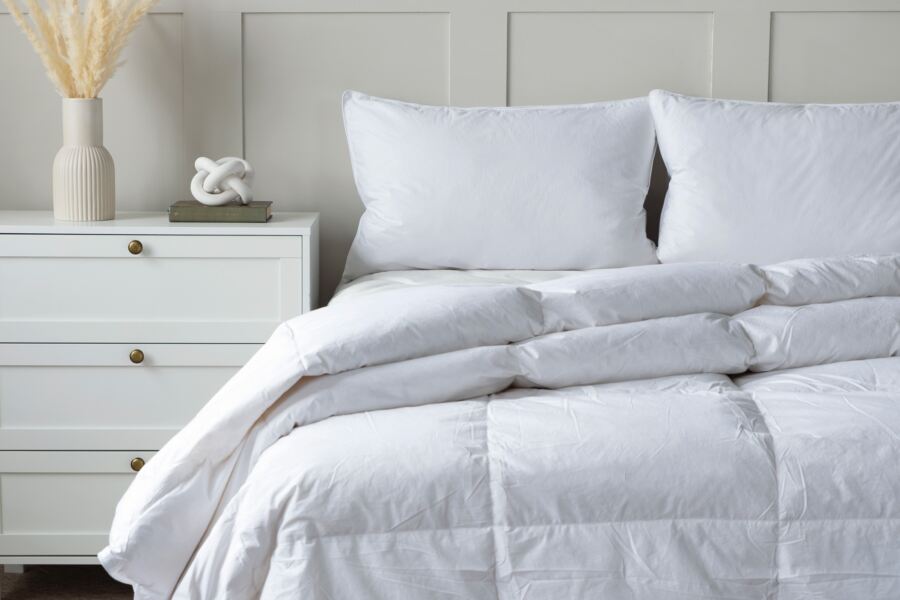
Belledorm's standard pillows measure 48 × 74 cm - the most common pillow size for UK beds - and are available in a range of natural and synthetic fillings to suit different sleep preferences and support needs. Natural options include Mulberry silk, 100% wool, goose down, and duck down and feather - each with a different feel, weight, and level of support. Synthetic options include hypoallergenic microfibre and a cooling pillow designed for sleepers who overheat at night. Firmness varies across the range, from soft and yielding to firm and supportive, so the right pillow depends on how you sleep. Side sleepers generally benefit from a firmer pillow, back sleepers from medium support, and front sleepers from a softer, lower-loft option. All standard pillows fit housewife and Oxford pillowcases.
»















 Got Standard Size Pillow Questions? We've Got Answers
Belledorm’s Hotel Suite Firm Pillow is a strong option for side sleepers who want supportive, down-like comfort without the allergy risk of natural feather or down fillings. The Independent’s IndyBest named it Best microfibre pillow, highlighting its cotton cover, microfibre filling, firm support and ability to help keep the neck and shoulders aligned.
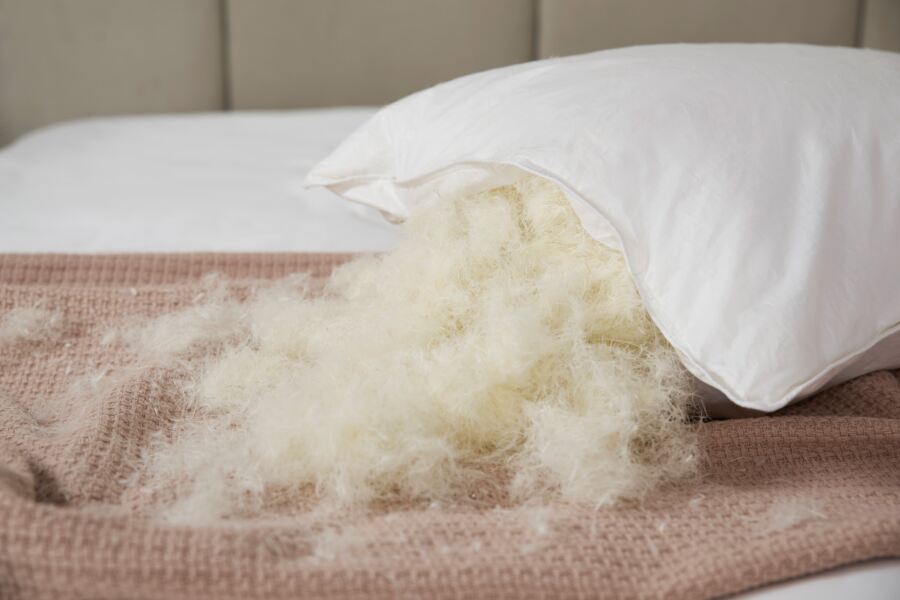
Belledorm standard pillows are available in six fillings: Mulberry silk, 100% wool, goose down, duck down and feather, microfibre, and a cooling pillow. Silk is lightweight and moulds softly to the shape of your head and neck. Wool is naturally temperature-regulating and provides a firmer, more supportive feel. Goose down is exceptionally light with a high loft that creates a soft, enveloping cushion. Duck down and feather blends offer a balance of softness and support at a lower price point than goose down. Microfibre is hypoallergenic and fully machine washable. The cooling pillow is specifically designed for sleepers who overheat at night. All fillings come in the standard UK size of 48 × 74 cm.
A standard UK pillow measures 48 × 74 cm (approximately 19 × 29 inches). This is the most common pillow size used in British bedrooms and fits all standard housewife and Oxford pillowcases. Belledorm's standard pillows are made to this size. If your pillow feels too small or too large for your pillowcase, it may be a continental square pillow (65 × 65 cm) or a king size pillow (50 × 90 cm), both of which require different pillowcases. Standard is the right choice for most single, double, king size, and super king beds.
Side sleepers need a pillow that fills the gap between the head and mattress without compressing flat, so the neck stays aligned with the spine. A 100% wool pillow or a duck down and feather pillow provides a firmer, more supportive feel that holds its height through the night - making both well suited to side sleeping. Goose down is softer and may compress more under the weight of a side sleeper's head, though some people prefer the cradling feel it offers. If you sleep on your side and find one pillow is not quite enough height, using two pillows or choosing a firmer filling will give better neck support.
Back sleepers need a pillow with a medium loft that gently supports the natural curve of the neck without pushing the head too far forward. Goose down and Mulberry silk are both good options - goose down provides a soft, yielding cushion that cradles without excessive height, while silk moulds gently to the shape of your head and neck. Duck down and feather offers a slightly firmer alternative with more structure. Microfibre provides a consistent medium-soft feel that keeps the head in a neutral position. The right filling depends on your mattress firmness as well - a softer mattress means your body sinks further in, so a lower-loft pillow may be needed.
Microfibre is the most practical choice for allergy sufferers. It is fully hypoallergenic, does not harbour dust mites, and can be machine washed at higher temperatures to remove allergens effectively. Belledorm's microfibre standard pillow provides a clean, consistent sleeping environment that suits people with asthma, eczema, or dust mite sensitivity. If you prefer a natural filling, Mulberry silk and 100% wool are both naturally resistant to dust mites and mould. Goose down and duck down and feather are not recommended for allergy sufferers, as natural down and feather can trigger reactions in some people. Whichever filling you choose, using a zipped pillow protector underneath your pillowcase adds an extra barrier against allergens.
Microfibre standard pillows can be machine washed at 40°C on a gentle cycle. Use a mild detergent, avoid bleach, and wash two pillows together to balance the drum. Tumble dry on a low setting until fully dry - any residual dampness in the filling can cause odours and encourage mould. Wool pillows should be spot cleaned or professionally laundered - machine washing can cause the filling to felt and lose its structure. Silk pillows are best hand washed or dry cleaned. Goose down and duck down and feather pillows can sometimes be machine washed on a delicate cycle at a low temperature, but always check the care label - improper drying can cause down to clump. The cooling pillow may have specific care requirements, so follow the label instructions for that product. Regular use of a pillow protector reduces how often the pillow itself needs cleaning.
Firmness varies across the range. 100% wool and duck down and feather provide the firmest feel, wool has a natural resilience that holds its shape, while the feather content in a duck down and feather blend adds structure and support. These suit side sleepers and anyone who needs their head held at a consistent height. Goose down is softer and lighter, creating a plush, yielding cushion that suits back and front sleepers. Mulberry silk is similarly soft, moulding gently without much resistance. Microfibre offers a medium-soft feel. The cooling pillow is designed with comfort and temperature management in mind. If you are unsure which firmness to choose, consider your sleeping position: side sleepers generally benefit from firmer, back sleepers from medium, and front sleepers from softer.
Replace your standard pillow every one to two years, depending on the filling and how well it has been maintained. A simple test is to fold the pillow in half lengthways, if it springs back to its original shape, it still has useful support; if it stays folded or recovers slowly, the filling has compressed beyond its effective life. Natural fillings like wool and silk tend to hold their structure slightly longer than microfibre, but all fillings lose loft and support with nightly use over time. Regular fluffing, airing, and the use of a pillow protector will extend the pillow's useful life, but eventual replacement is necessary for proper neck support and sleep hygiene.
You can, but standard pillows are designed for sleeping rather than upright support. If you regularly read, watch television, or work in bed while sitting up, a V-shape pillow or a bolster pillow provides better back and neck support in an upright position. Square continental pillows (65 × 65 cm) also work well as back rests when propped upright against a headboard. Using a standard pillow for sitting up will compress the filling unevenly over time, which can shorten its useful life and reduce the support it provides when you lie down to sleep.
Standard pillows (48 × 74 cm) are sized for adults and older children. For younger children, a standard pillow may be too large and too high, which can push the head and neck out of alignment. Most guidelines suggest children under the age of two should not use a pillow at all. From age two onwards, a thinner, flatter pillow is more suitable until the child is large enough for a standard size. Belledorm's microfibre standard pillow is the most practical choice for older children and teenagers, it is hypoallergenic, machine washable, and provides a medium-soft feel that does not force the neck into an unnatural position.