

 Platinum trusted service award
Autumn Duvets
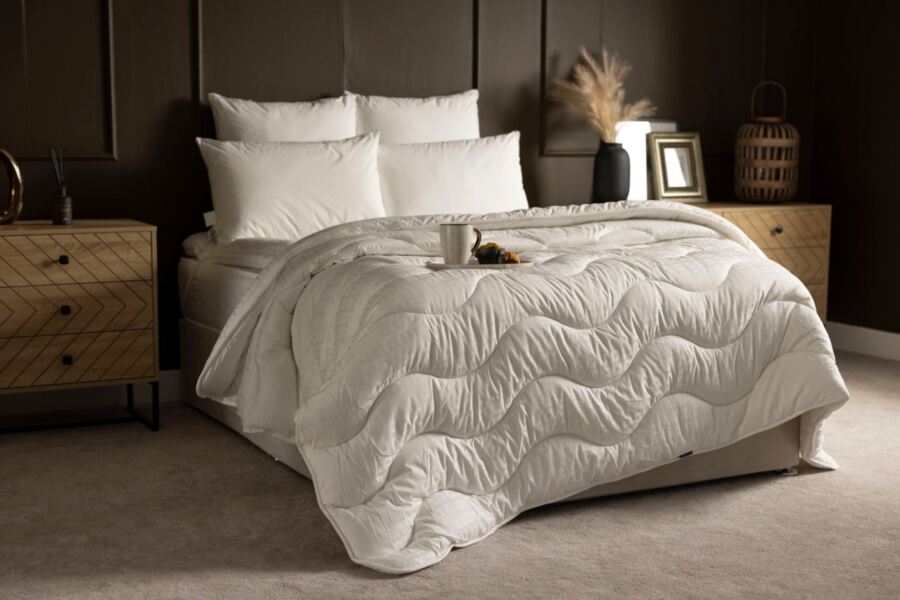
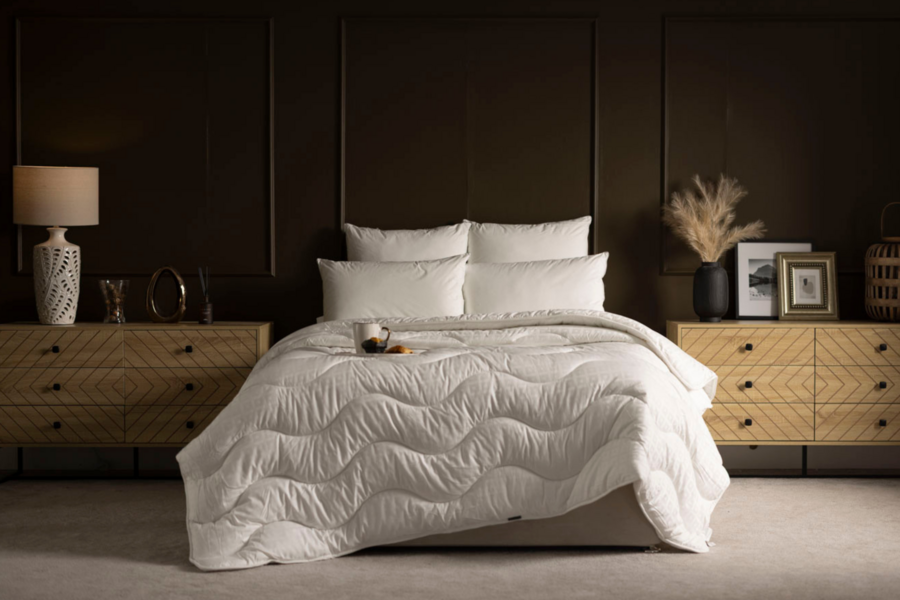
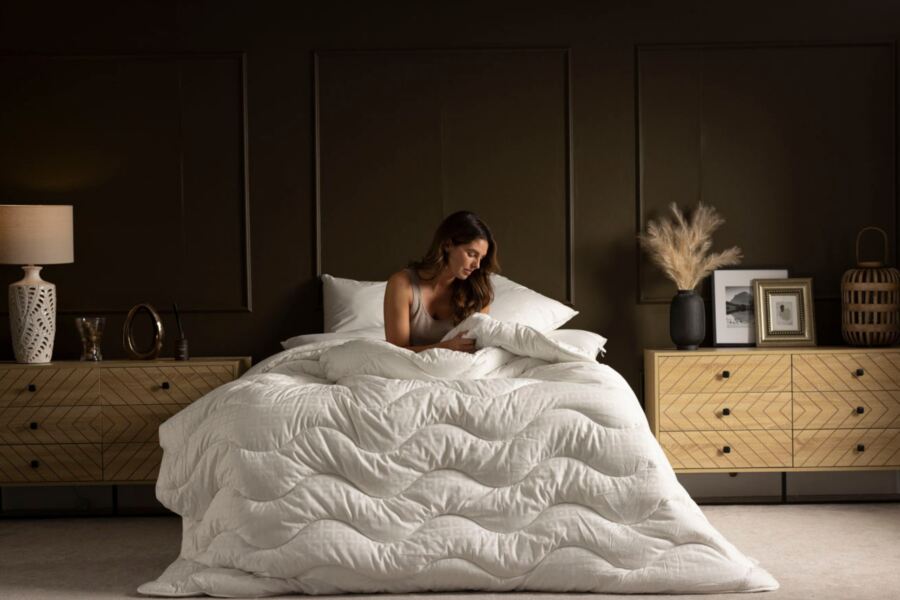
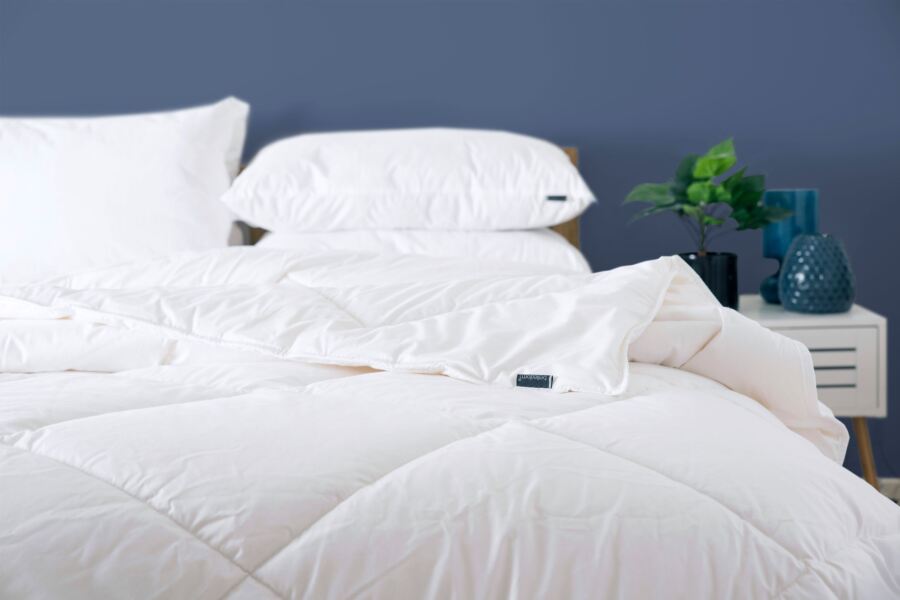
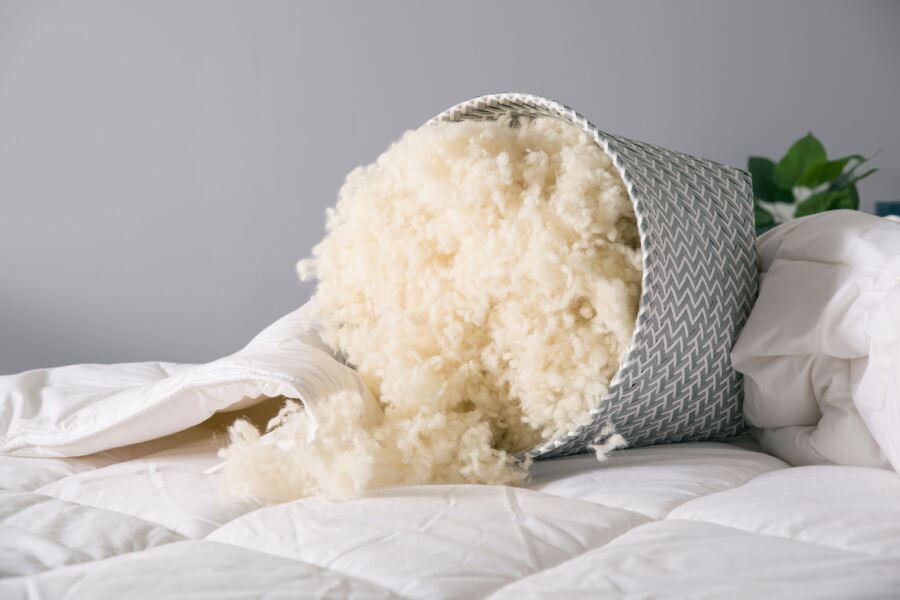
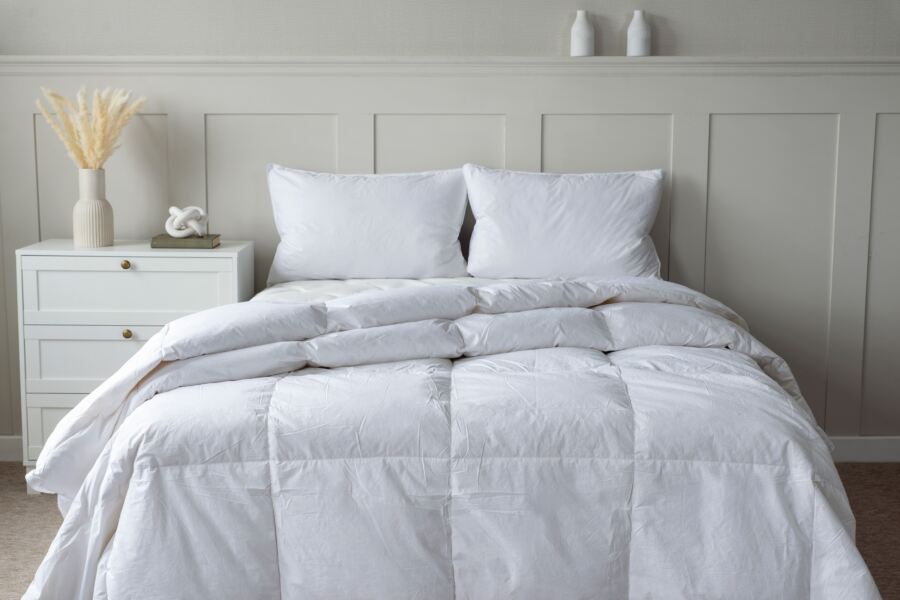
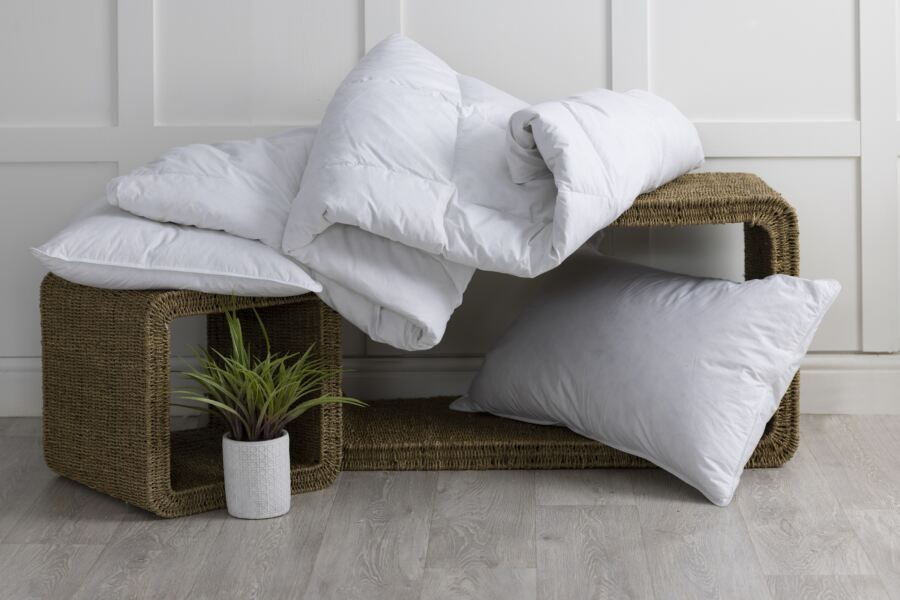
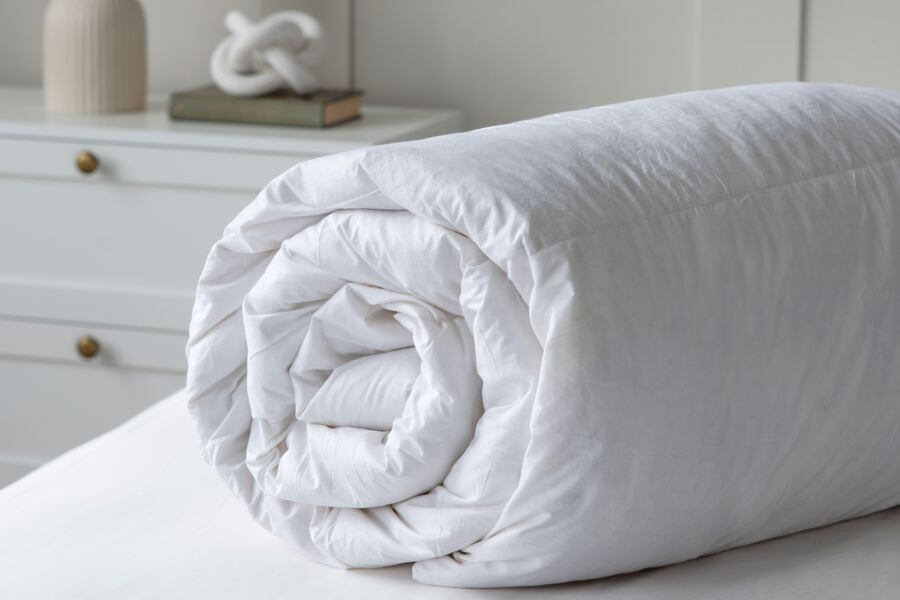
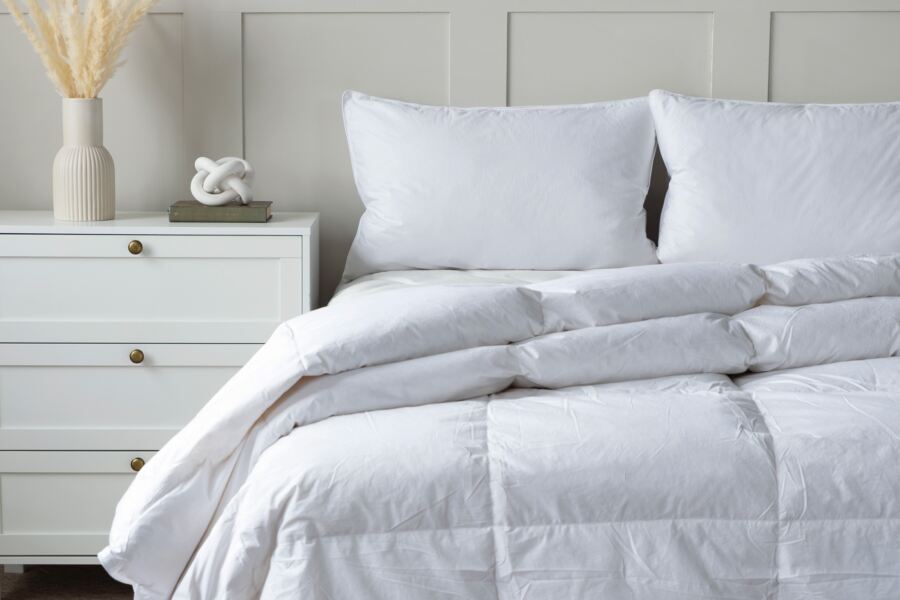
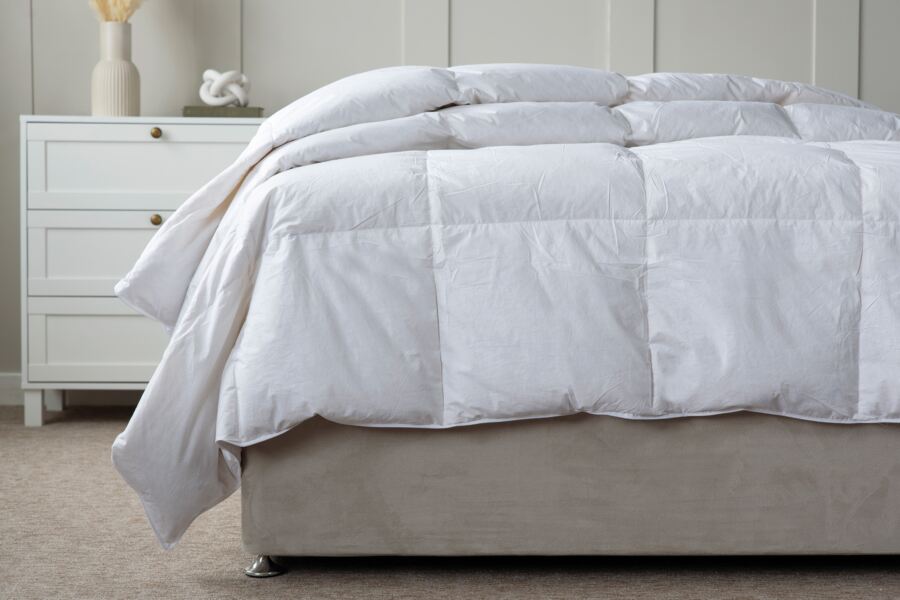
An autumn duvet at 10.5 tog provides the mid-weight warmth you need as nights turn cooler from September through to November. It is warm enough to sleep comfortably as bedroom temperatures drop, without the heaviness of a full winter duvet. Belledorm's autumn duvets are available in natural fillings including white goose down, goose feather and down, wool, and Mulberry silk, as well as a hypoallergenic microfibre option that is fully machine washable. All fillings come in sizes from single to emperor. If your bedroom cools down significantly by late November, a 13.5 tog winter duvet is the next step up - but for most well-heated UK homes, 10.5 tog covers the full autumn season comfortably.
»



















 Got Autumn Duvet Questions? We've Got Answers
A 10.5 tog duvet is the right weight for autumn in the UK. As nights grow cooler from September onwards, a 10.5 tog provides enough insulation to keep you warm without the heaviness of a full winter duvet. It suits bedroom temperatures between roughly 15°C and 19°C, which covers most UK homes from early autumn through to late November. If your home cools down quickly or you feel the cold at night, you may want to switch to a 13.5 tog winter duvet by mid-November. Belledorm's autumn duvets are available in 10.5 tog across all sizes, from single to emperor, in both natural and synthetic fillings.
Most people in the UK make the switch between mid-September and early October, once overnight temperatures start dropping consistently below 14–15°C outside. The clearest sign is how you feel in the early hours of the morning, if you are waking up cold, reaching for an extra blanket, or curling up tightly, your 4.5 tog summer duvet is no longer providing enough warmth. Moving from a 4.5 tog to a 10.5 tog more than doubles the insulation without adding excessive weight. It is better to switch slightly early and sleep comfortably than to persist with a summer duvet and lose sleep to the cold.
Yes, a 10.5 tog duvet provides the same level of insulation whether you use it in spring or autumn. The tog rating measures thermal resistance, which does not change with the season. The practical difference is in how the duvet feels at each end of the year: in spring, 10.5 tog may start to feel warm as temperatures rise towards summer, while in autumn it provides welcome warmth as nights cool down from summer. Many people use the same 10.5 tog duvet for both seasons, storing it during summer and winter. If you already have a Belledorm 10.5 tog spring duvet, there is no need to buy a separate one for autumn.
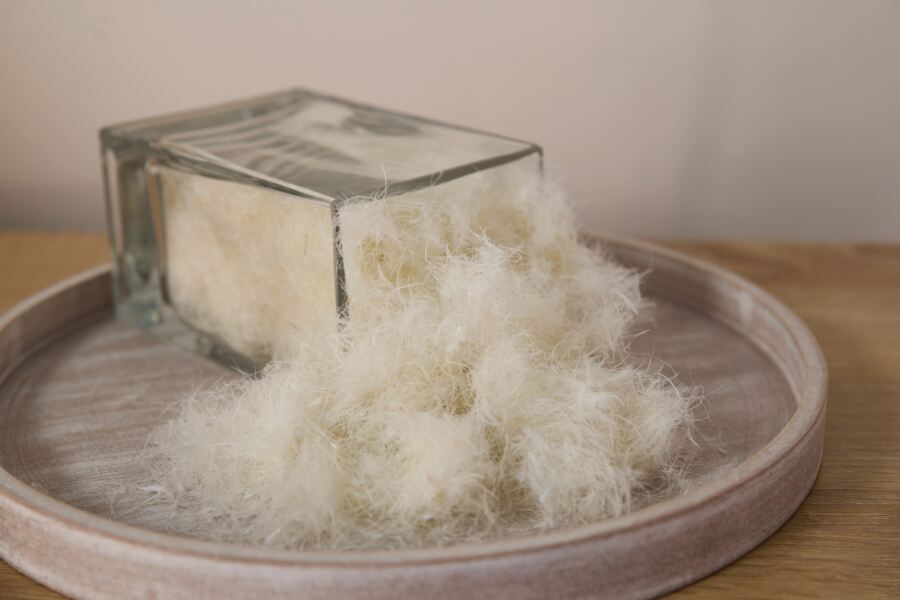
At the same 10.5 tog rating, all fillings provide the same thermal insulation, that is what the tog measurement guarantees. The difference is in how the warmth feels. White goose down traps heat in tiny air pockets within the down clusters, which creates a light, enveloping warmth that moulds closely around the body. Goose feather and down feels slightly heavier and more substantial, with a firmer drape. Wool builds warmth gradually and wicks moisture at the same time, so you feel warm without becoming clammy. Synthetic microfibre is consistent and even in its heat distribution. For autumn, when temperatures fluctuate from week to week, wool and down are particularly effective at adjusting to changes overnight.
For most UK bedrooms, a 10.5 tog duvet is comfortable through to late November. If your home has good central heating and your bedroom stays above 15°C overnight, 10.5 tog should see you comfortably through the full autumn season and into early December. If your bedroom is poorly insulated, faces north, or you tend to turn the heating off at night, you may find 10.5 tog is not quite enough by mid to late November, in that case, switching to a 13.5 tog winter duvet is the next step. Adding a bedspread or throw on top of your 10.5 tog duvet is another option if you want a little extra warmth on the coldest nights without changing the duvet entirely.
Natural fillings - white goose down, goose feather and down, wool, and Mulberry silk - are generally lighter for the same warmth level and regulate temperature more responsively, adjusting as your body heats up or cools down during the night. This makes them well suited to autumn, when temperatures can vary significantly from one night to the next. Synthetic microfibre is hypoallergenic, machine washable at 40°C, quicker to dry, and more affordable. It provides consistent, even warmth and is a practical choice for allergy sufferers, children's beds, or guest bedrooms where easy care matters more than the finer feel of a natural filling.
A 10.5 tog duvet is the most versatile single-duvet option. It works comfortably for spring and autumn, and many people use it through winter in well-heated bedrooms where the temperature stays above 17–18°C overnight. In summer, however, most people find 10.5 tog too warm - particularly during June, July, and August. If you want to use one duvet for as much of the year as possible, 10.5 tog covers the widest range of conditions. For full year-round flexibility with two duvets, pairing a 4.5 tog summer duvet with a 10.5 tog gives you a light option for warm months and a mid-weight option that covers everything else except the coldest winter nights.
Switch when you consistently feel cold during the night under your 10.5 tog duvet. For most people in the UK, this happens between late November and mid-December, once outside temperatures are regularly dropping below 5°C overnight and bedroom temperatures are falling below 15°C. If you keep your heating on overnight and your bedroom stays warm, you may not need to switch at all - a 10.5 tog duvet in a heated room can be comfortable right through winter. Solo sleepers tend to feel the cold sooner than couples, since two people sharing a bed generate more body heat. Trust how you feel rather than the calendar.
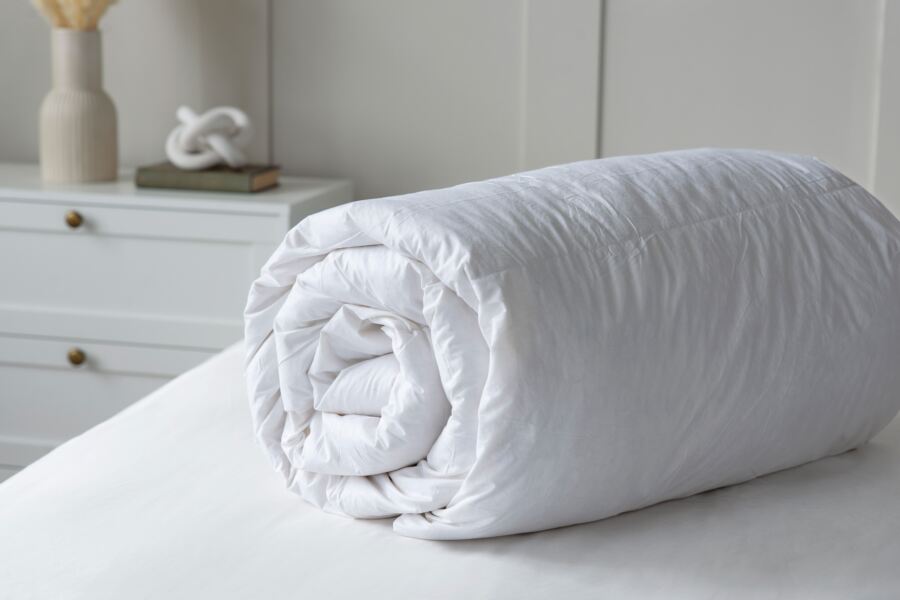
Store your summer duvet clean and fully dry in a breathable cotton storage bag or a large pillowcase. Avoid sealed plastic bags or vacuum packs, particularly for natural-filled duvets - compressing down, feather, wool, or silk for extended periods can damage the filling and reduce its loft when you next use it. Synthetic microfibre duvets are more tolerant of compression, but a breathable bag is still better for long-term storage. Keep the bag somewhere cool, dry, and well-ventilated - a wardrobe shelf or the top of a linen cupboard is ideal. Avoid lofts, garages, and under-bed storage where damp or temperature swings can affect the filling.
Air your duvet regularly by pulling the covers back each morning and leaving the duvet unfolded for at least 20 to 30 minutes. This allows moisture from the night - body heat, perspiration, and humidity to evaporate rather than being trapped in the filling. On dry, breezy days, draping the duvet over a washing line or banister for a couple of hours helps refresh the filling further. Using a duvet protector underneath your duvet cover adds a washable barrier that absorbs moisture and keeps the duvet itself cleaner for longer. Wash or dry clean the duvet according to its care label at least once or twice a year, ideally at the end of each season before storing.