

 Platinum trusted service award
Autumn Bed Sheets
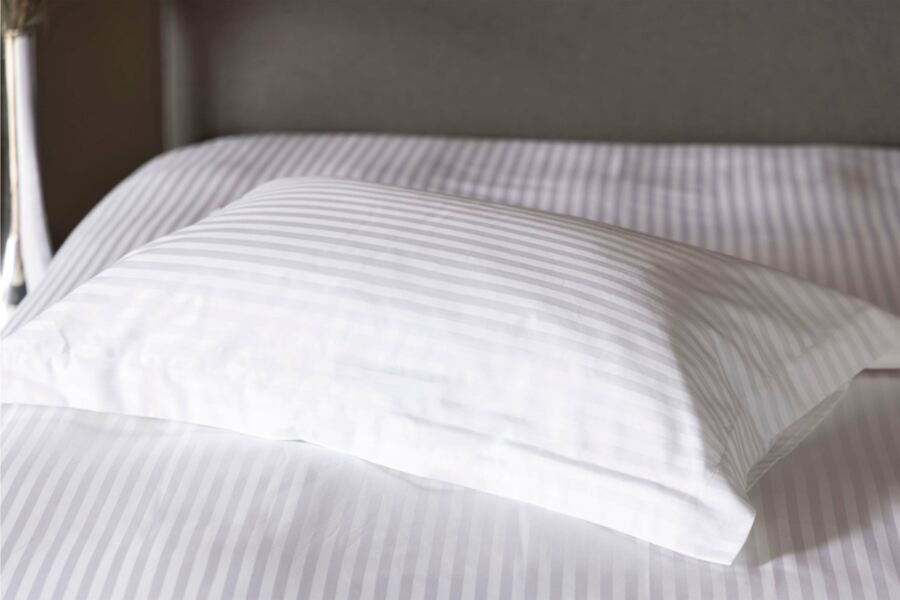
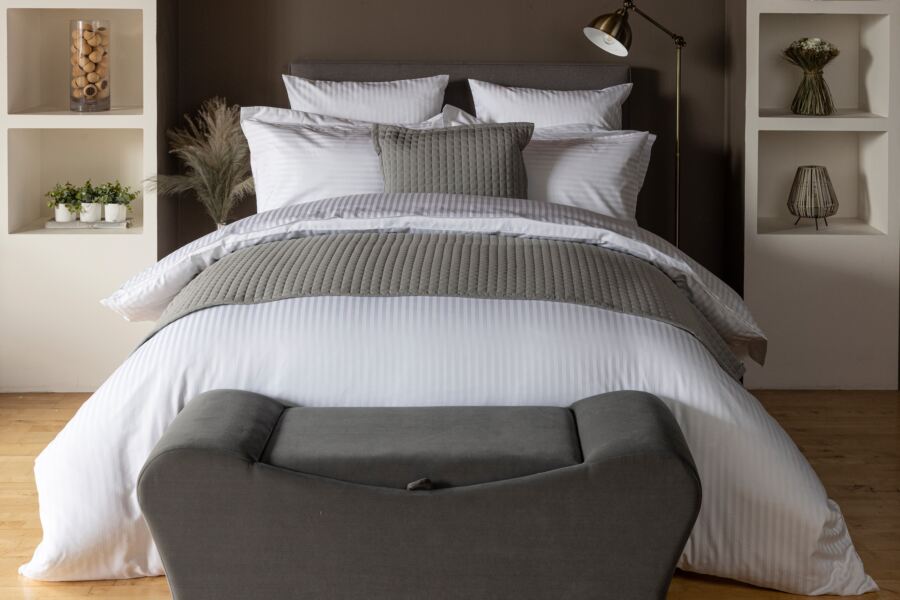
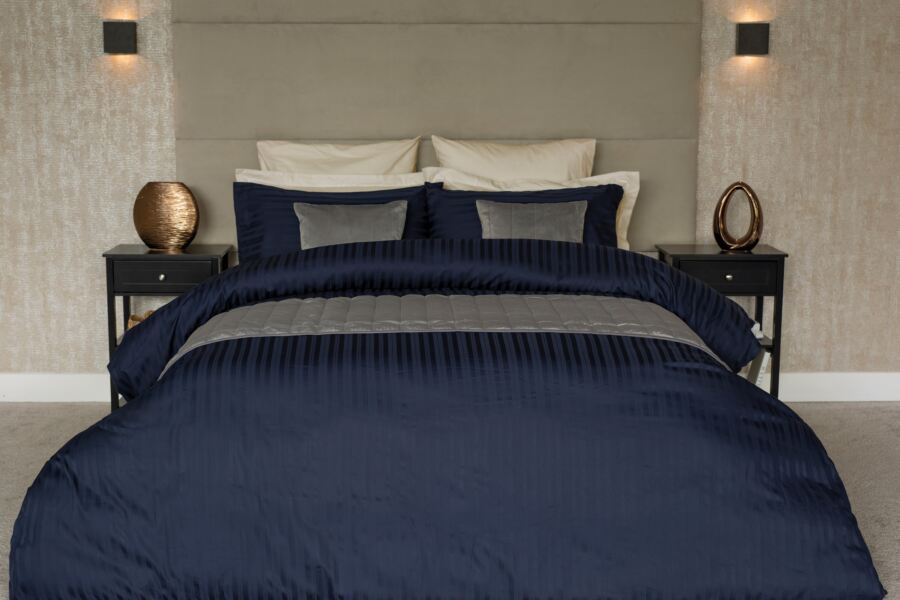
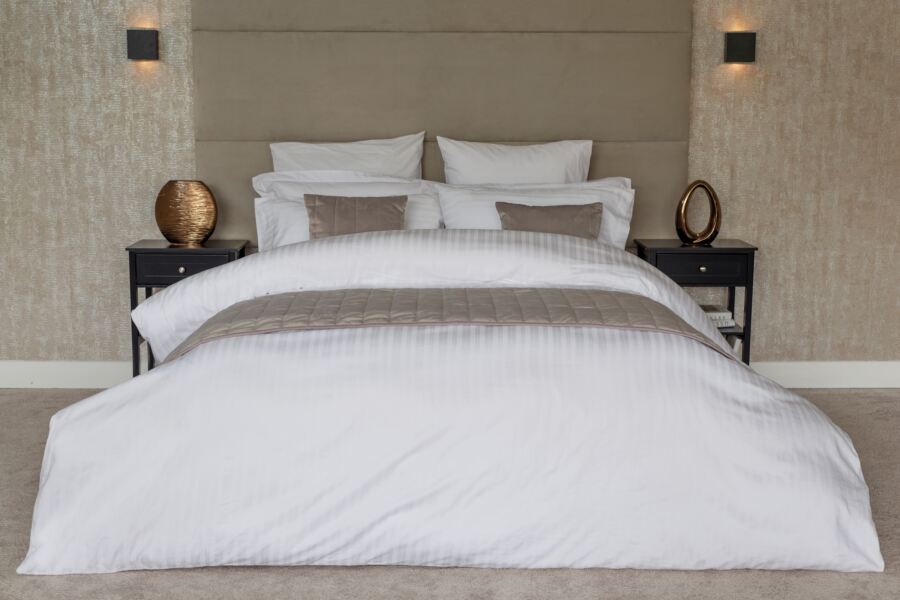
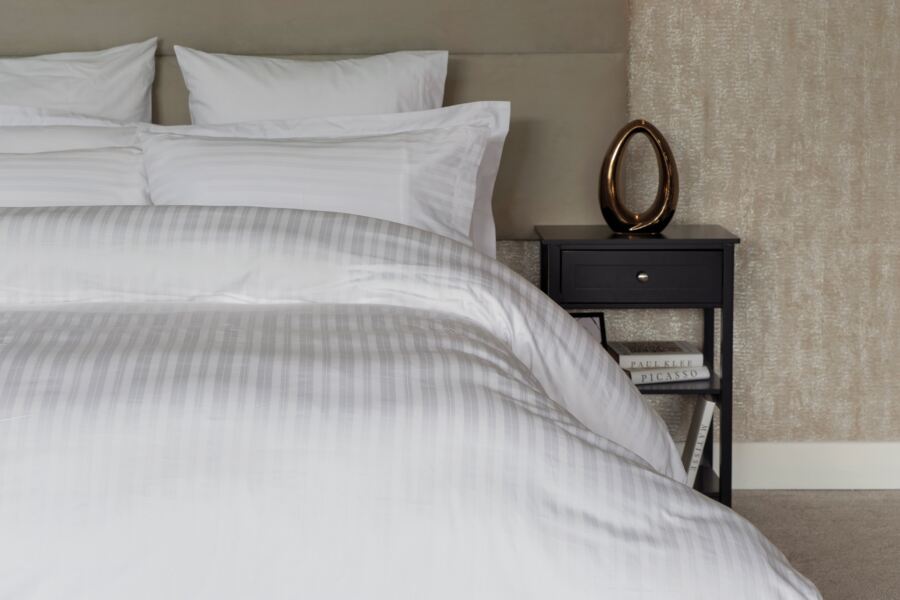
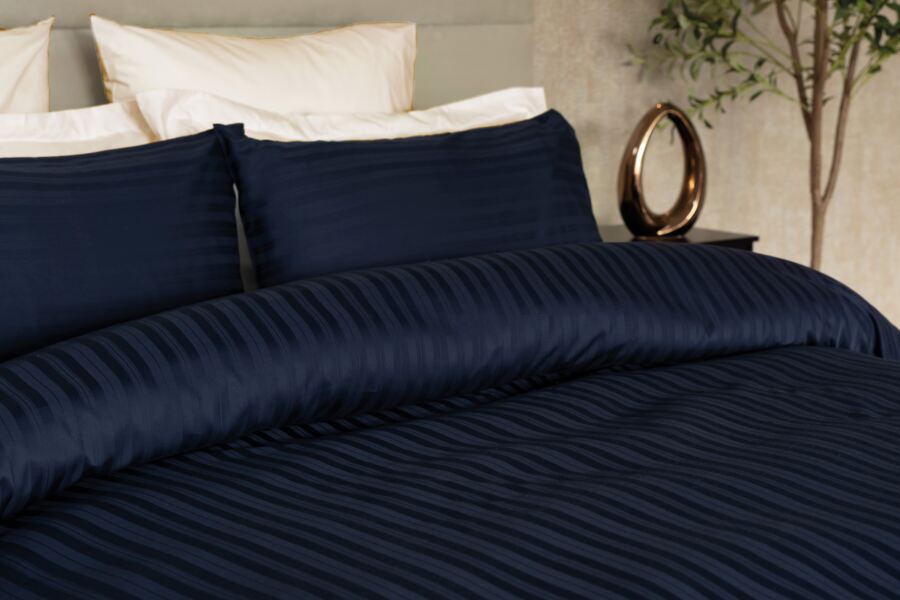
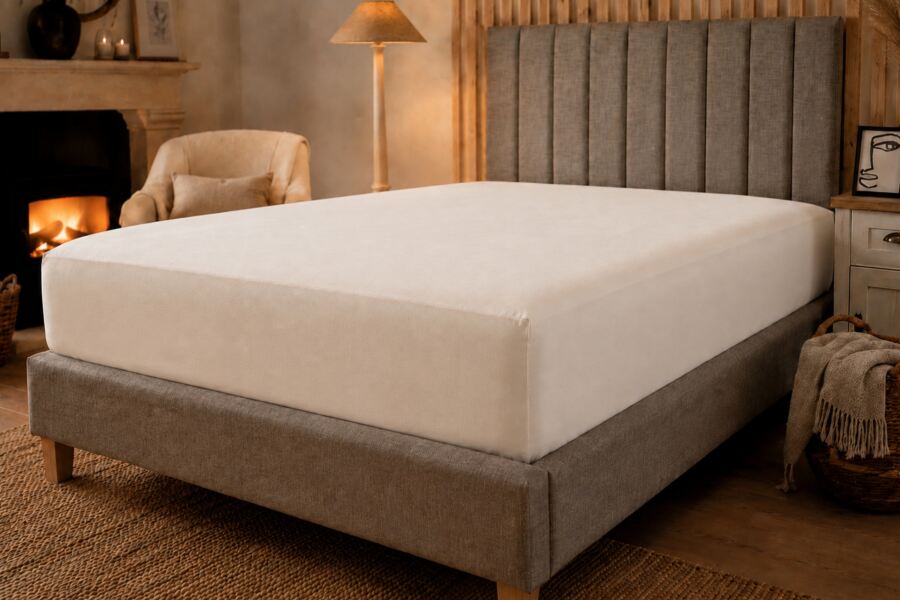
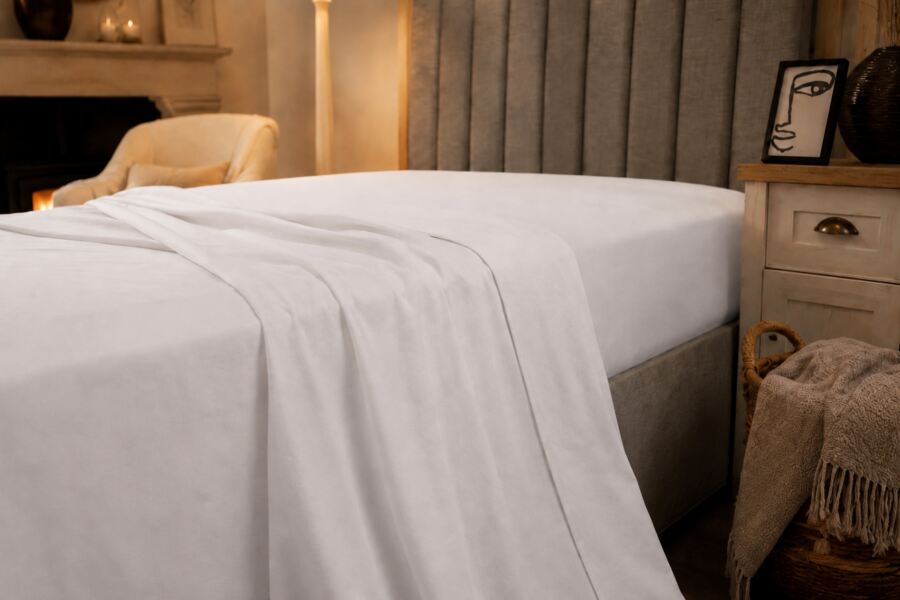
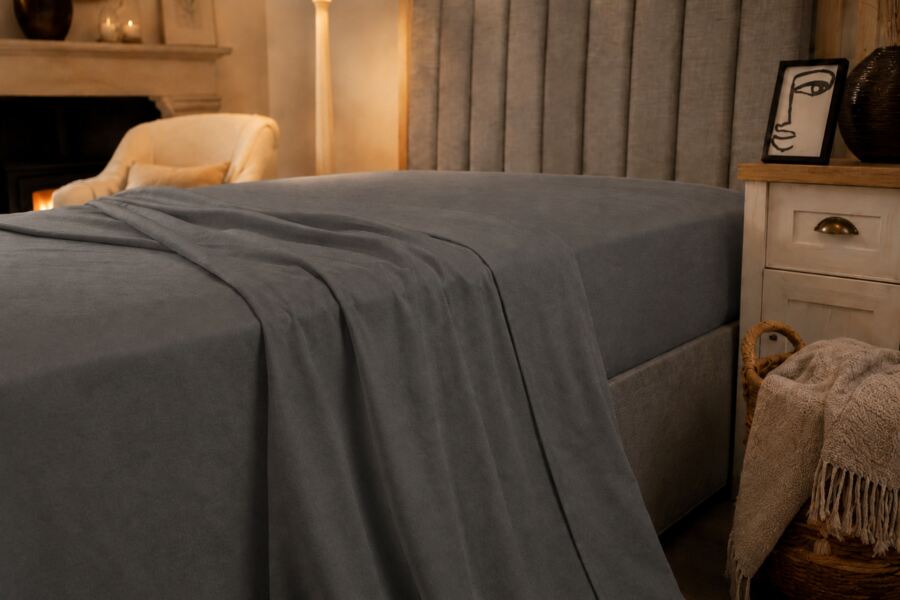
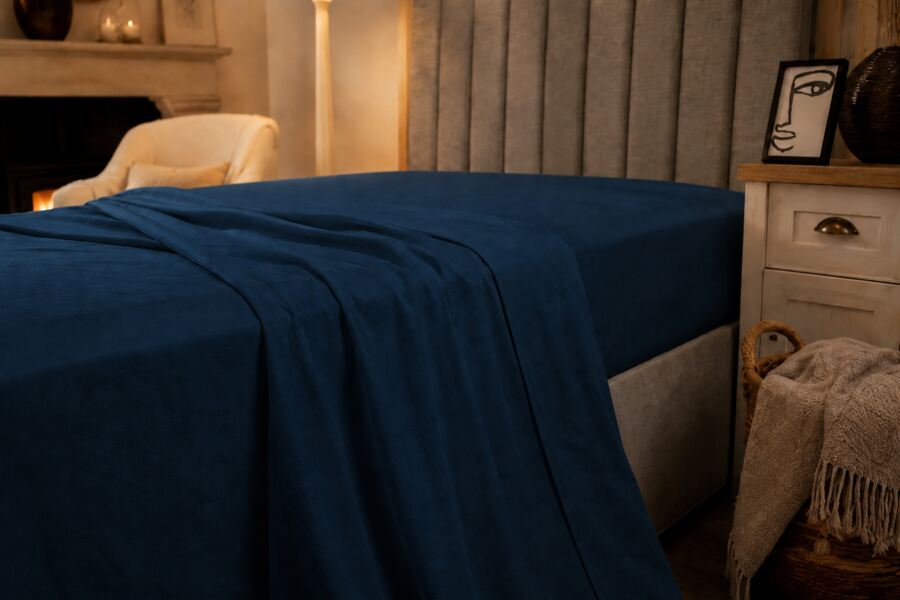
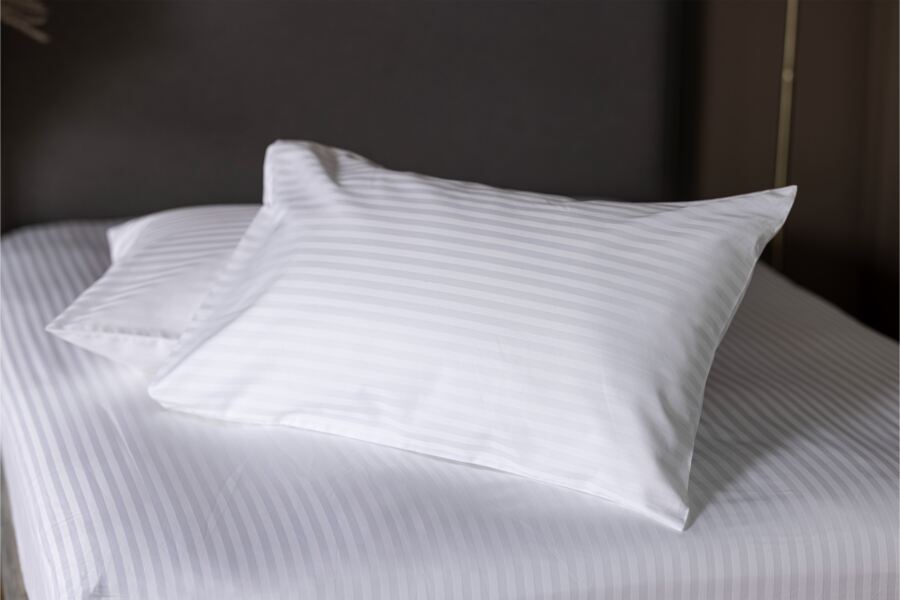
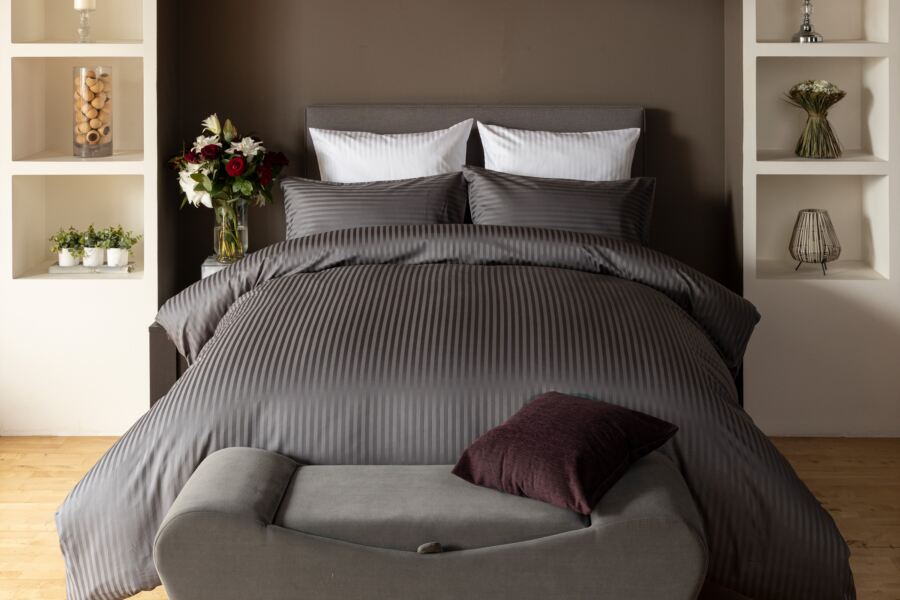
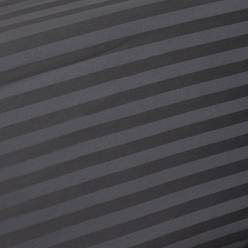
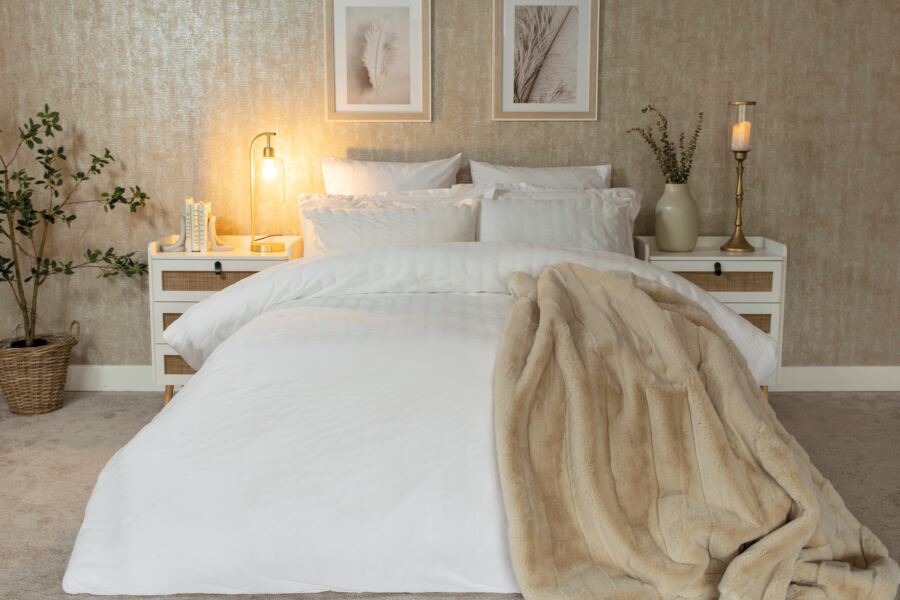
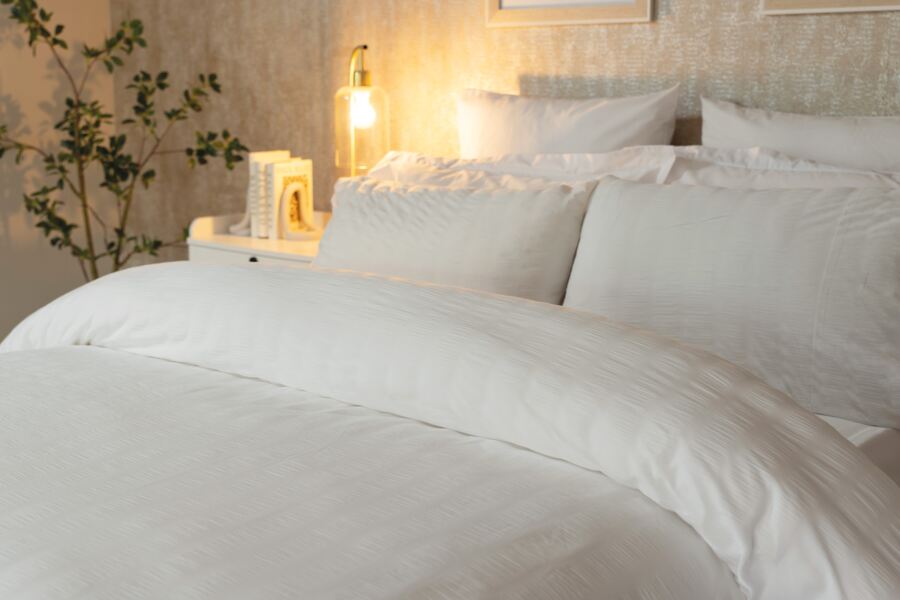
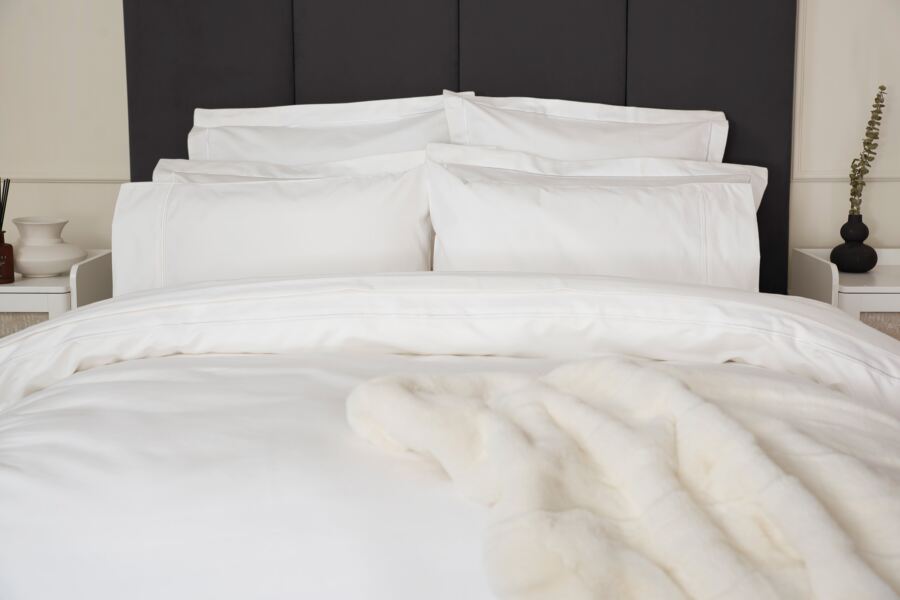
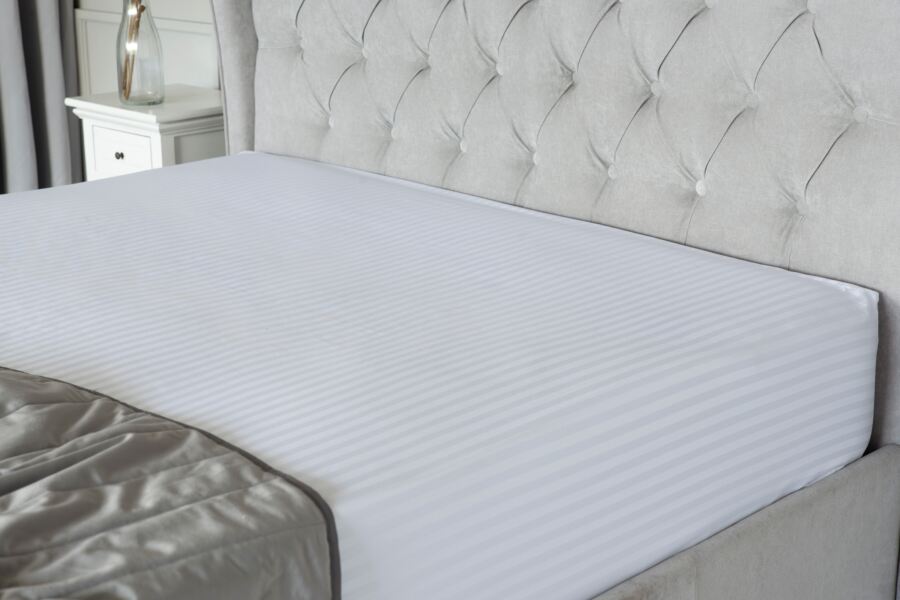
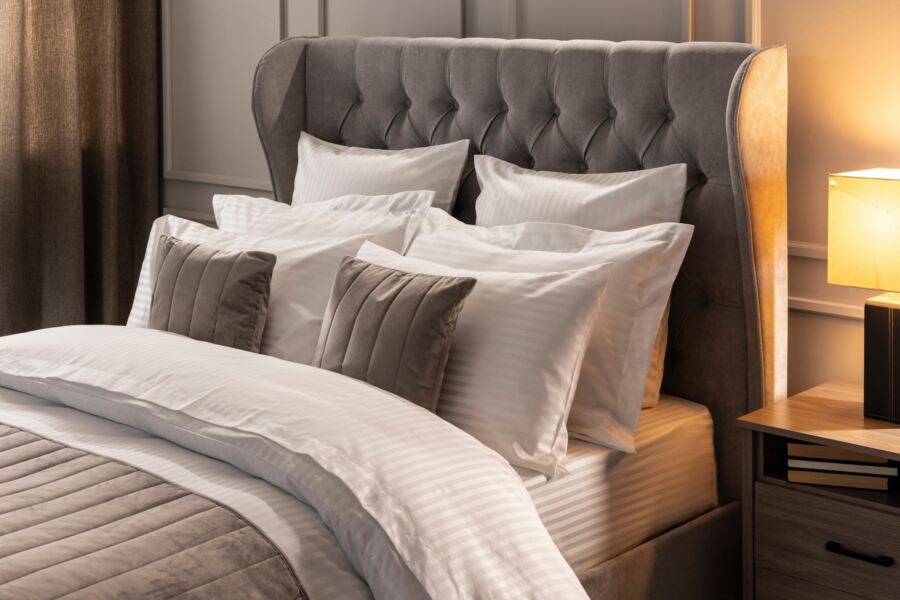
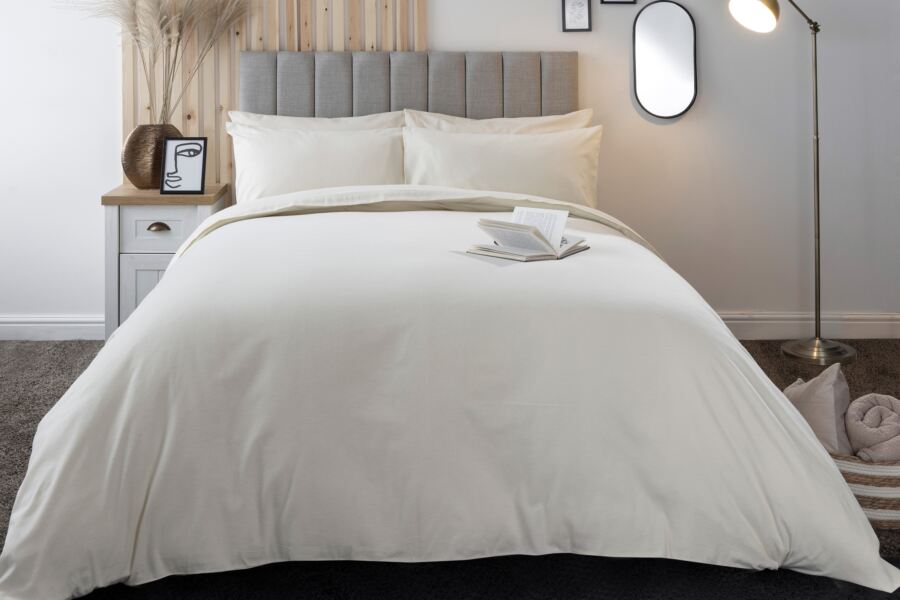
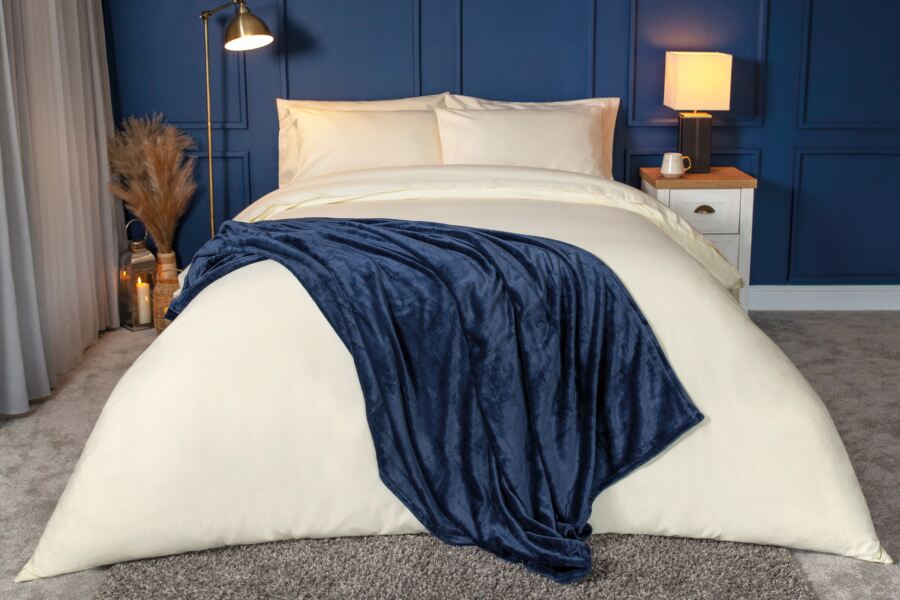
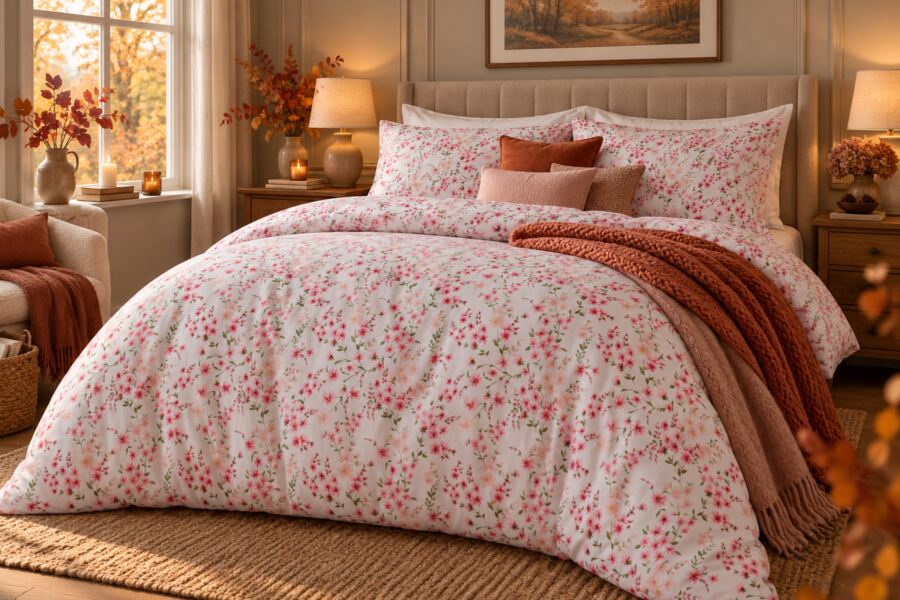
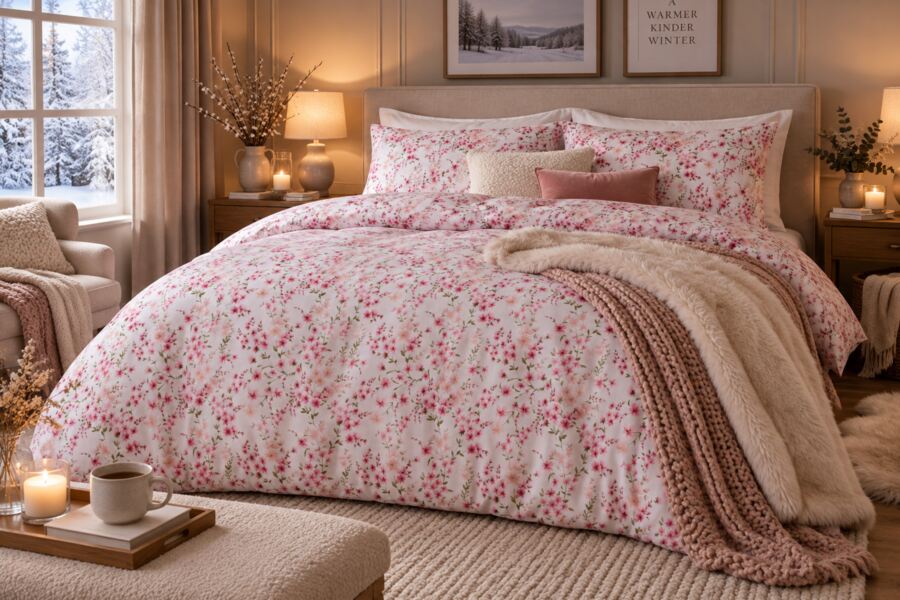
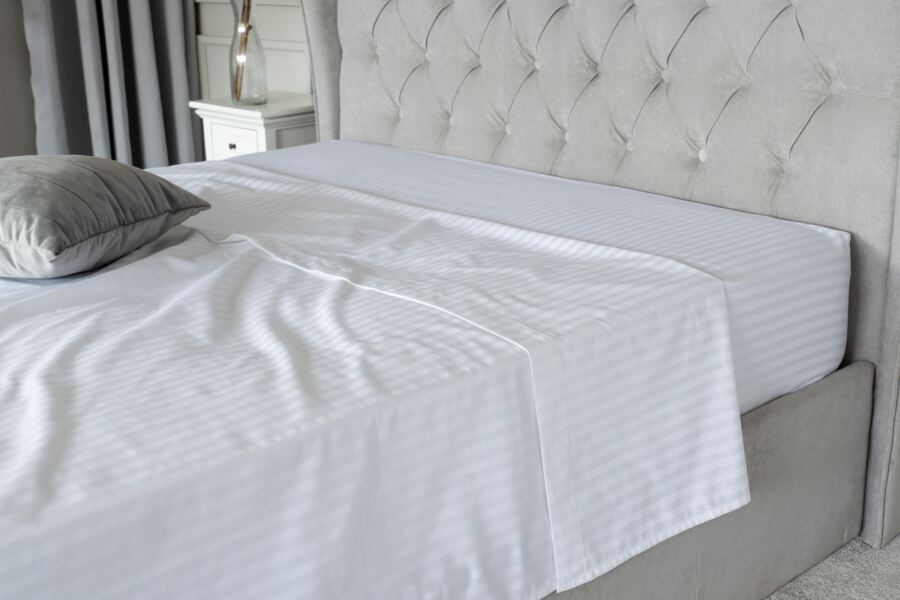
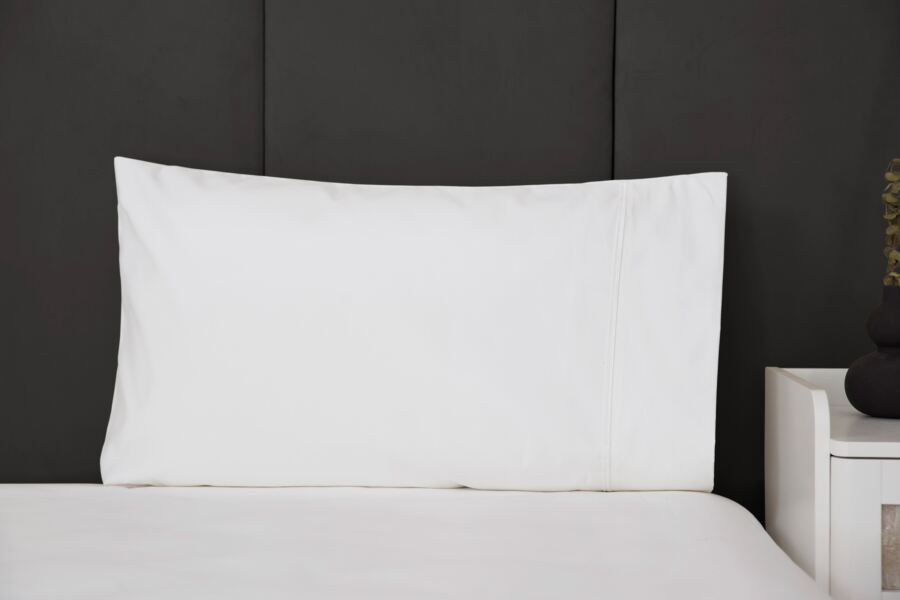
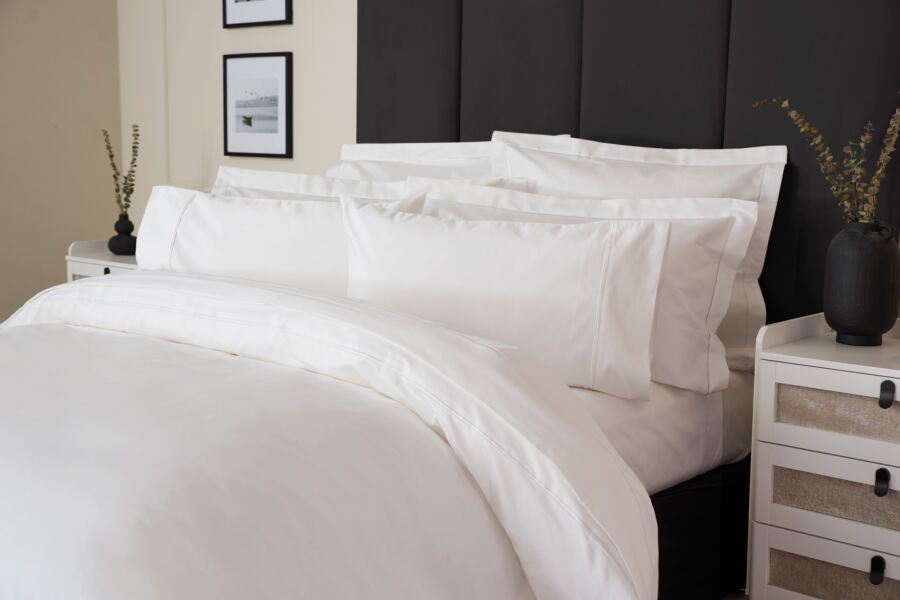
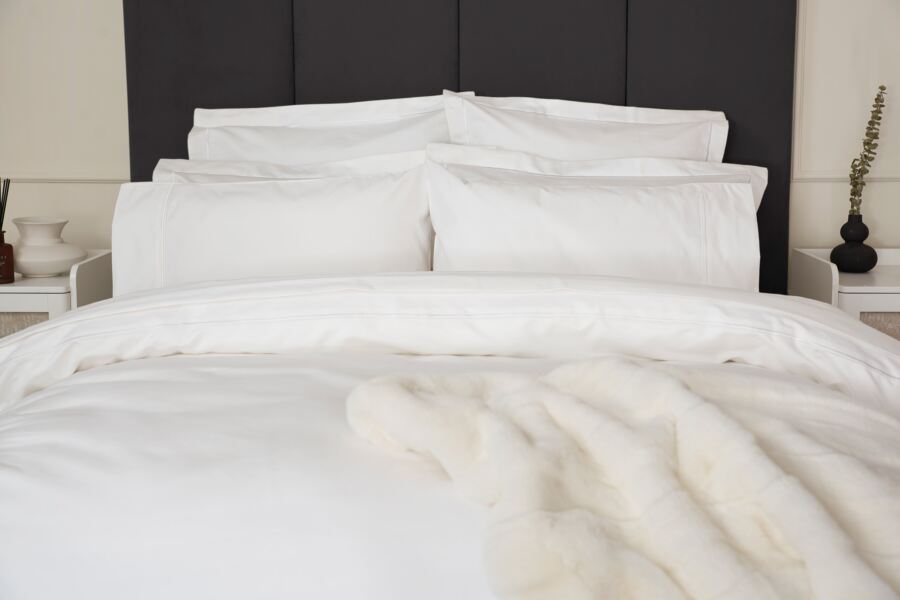
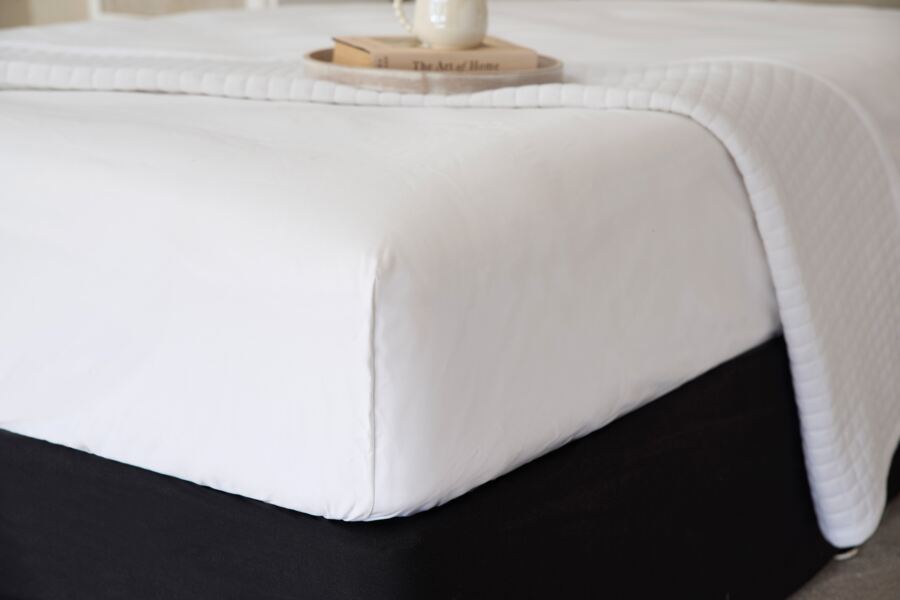
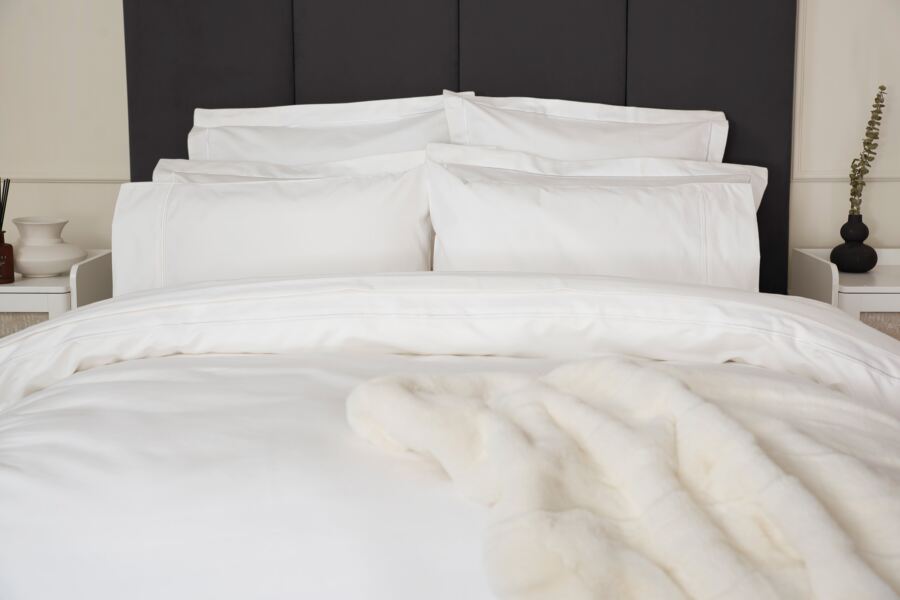
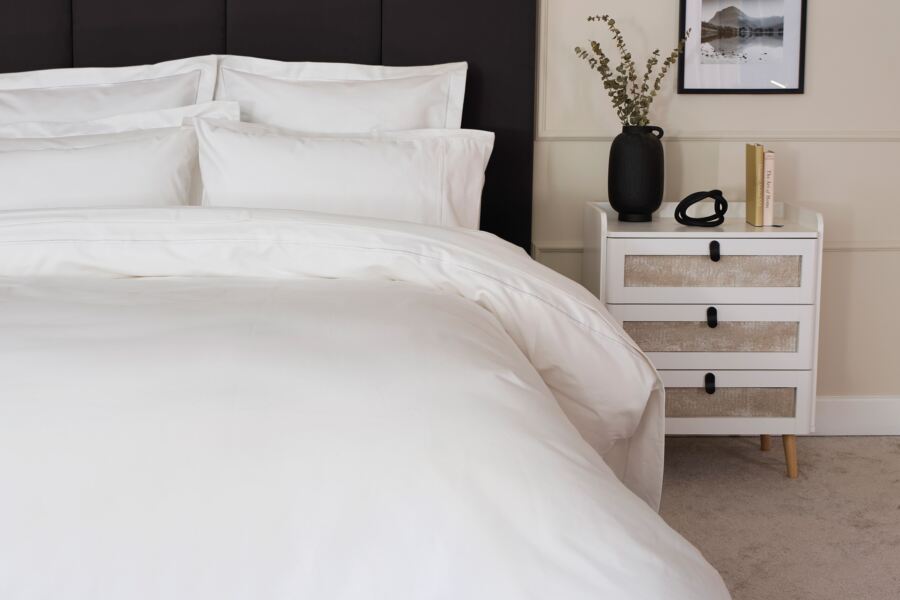
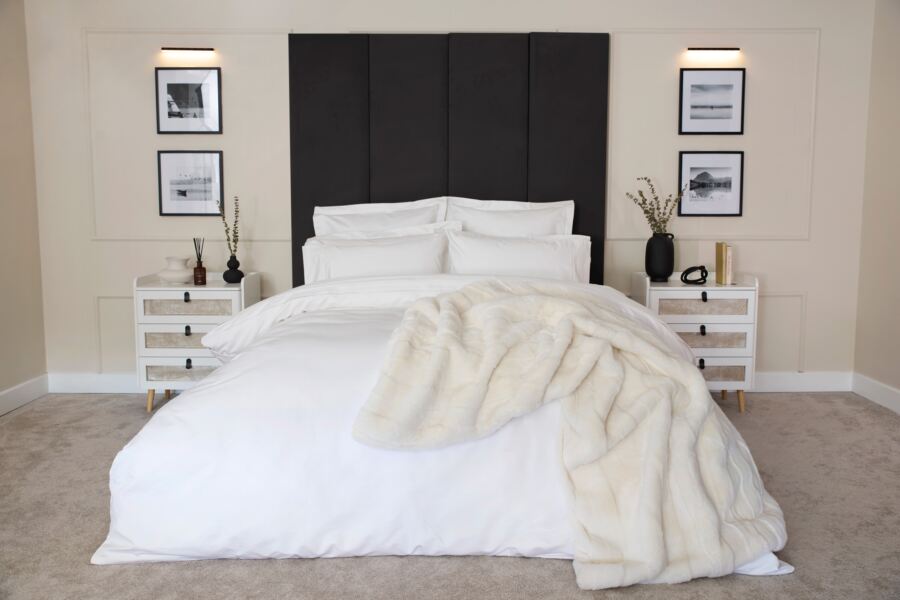
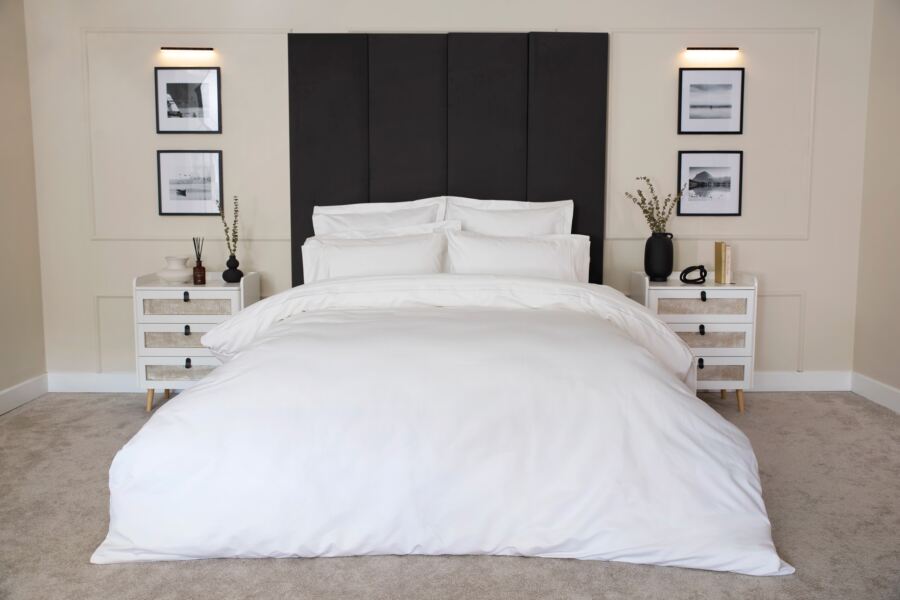
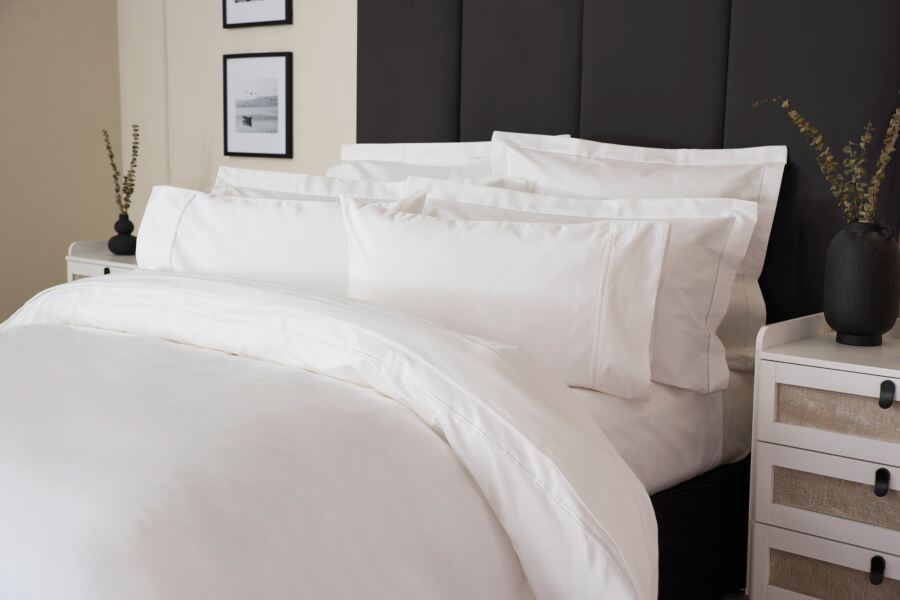
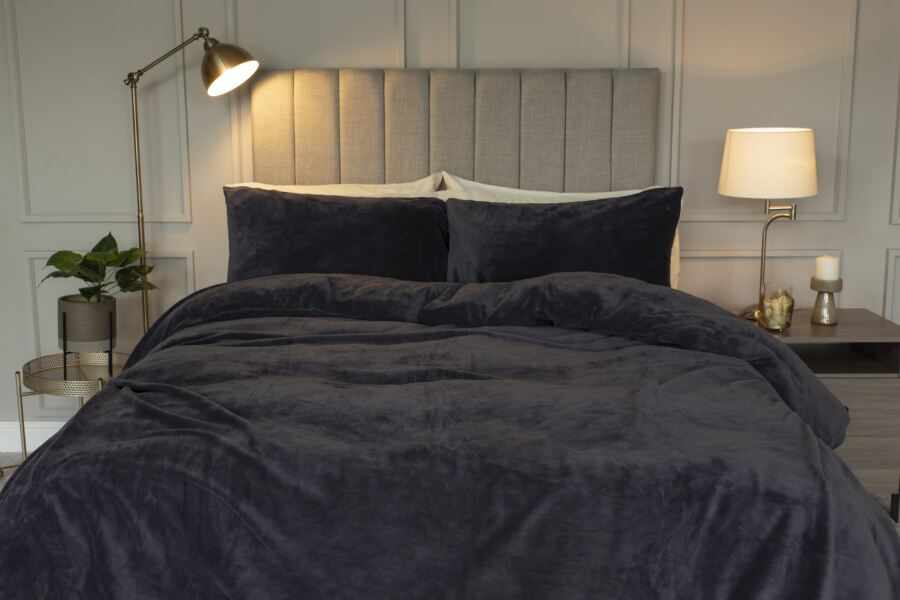
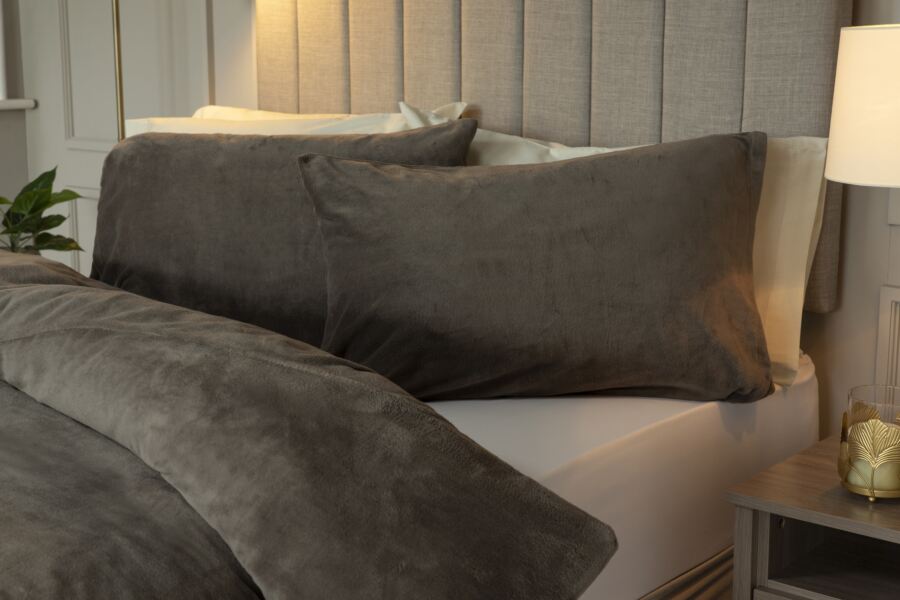
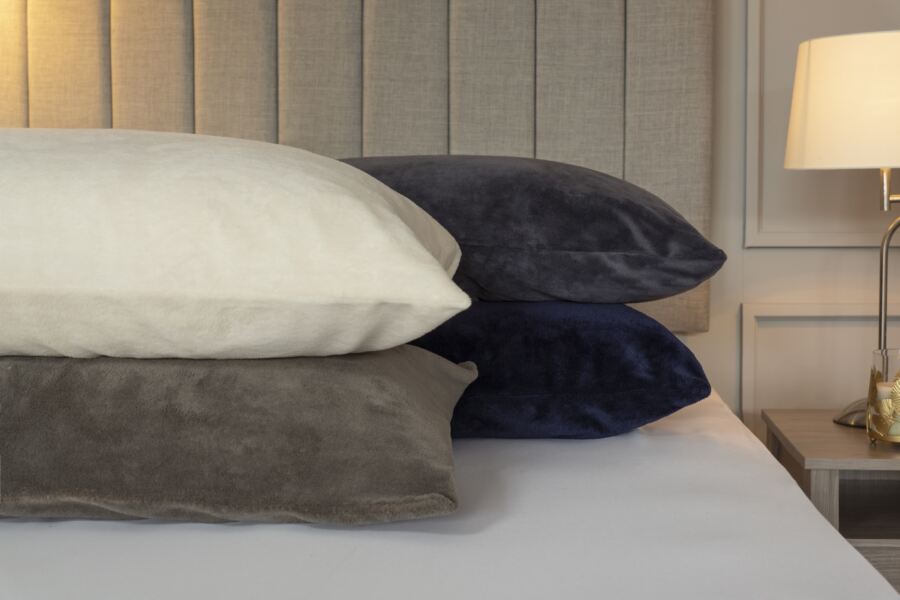
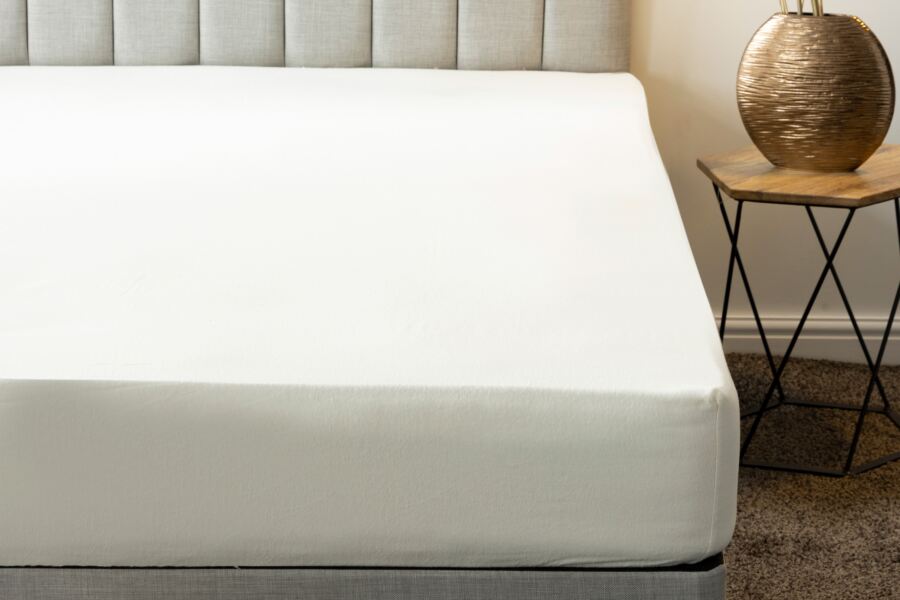
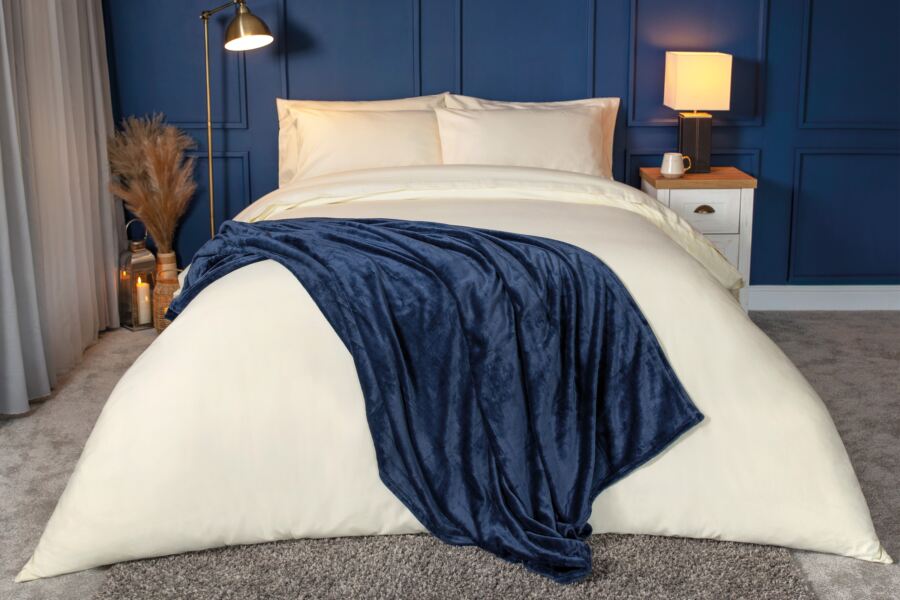
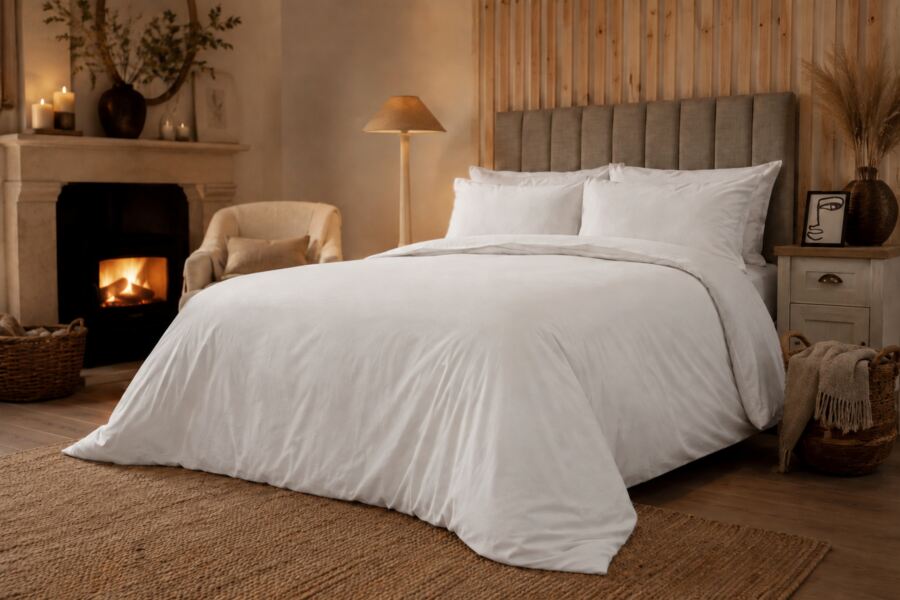
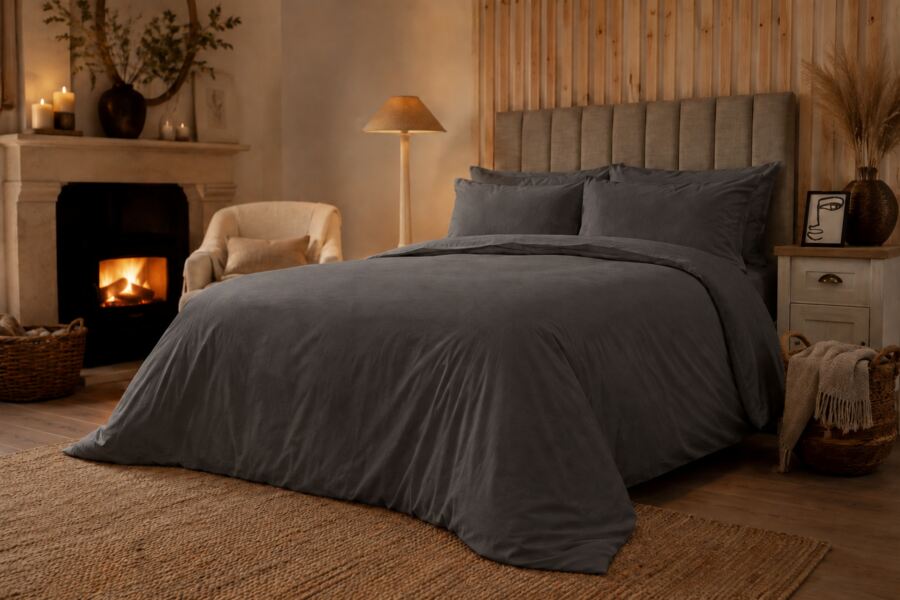
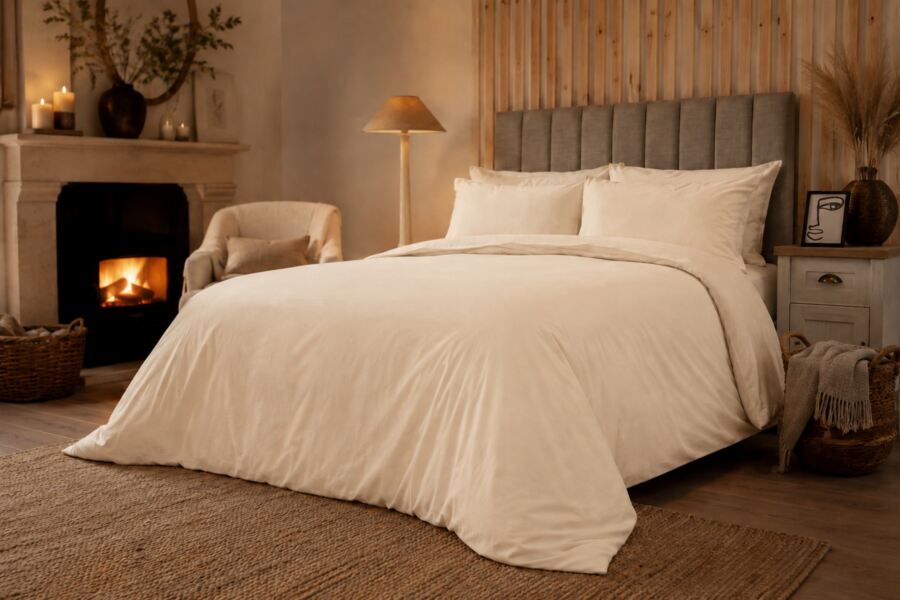
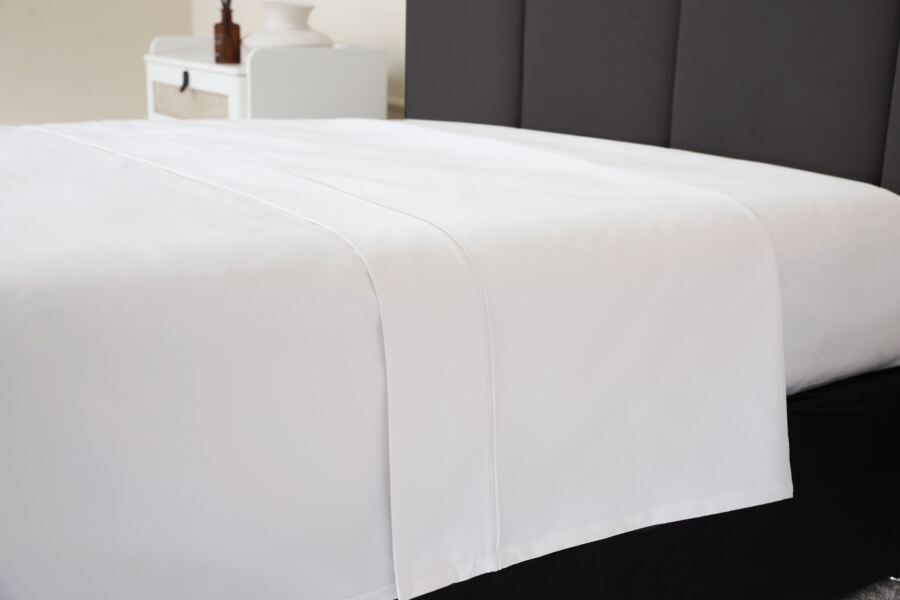
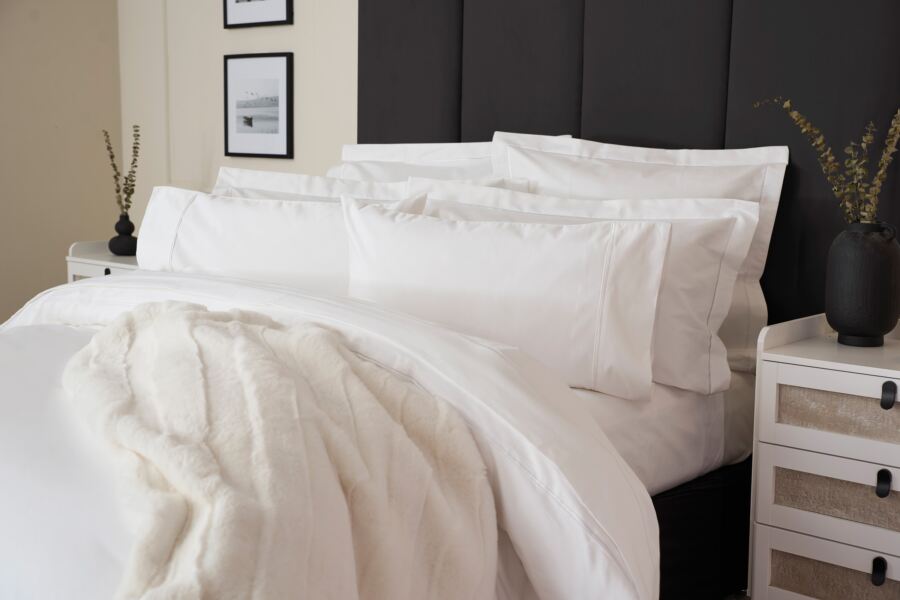
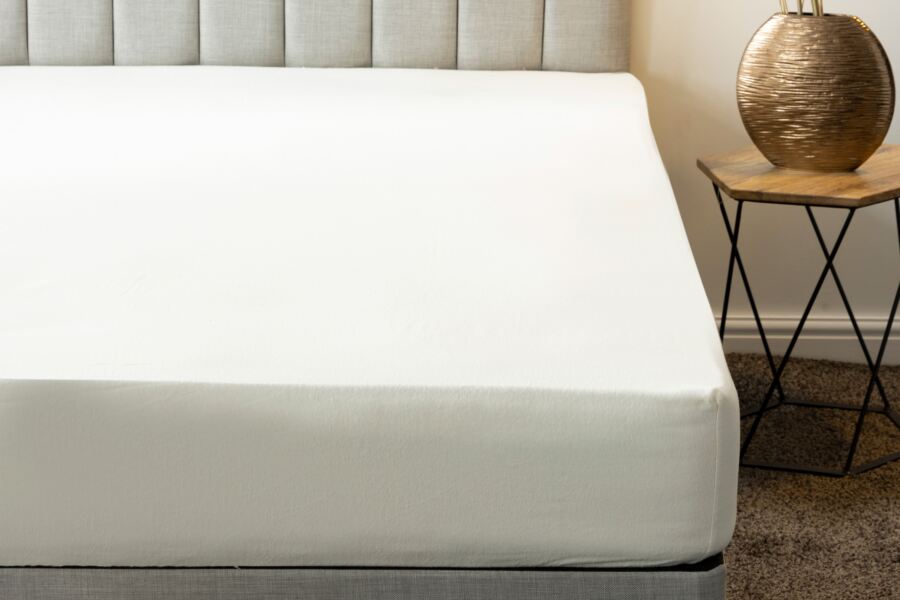
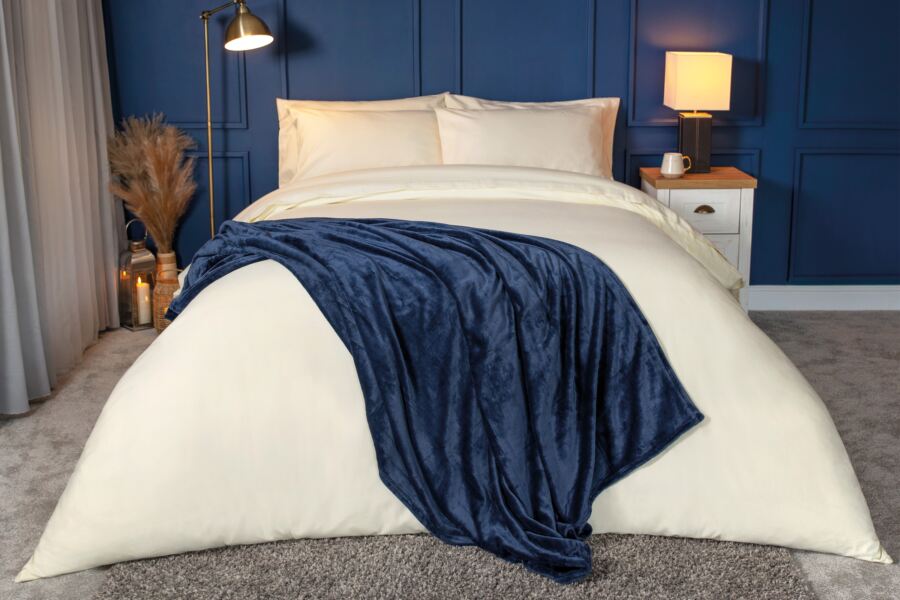
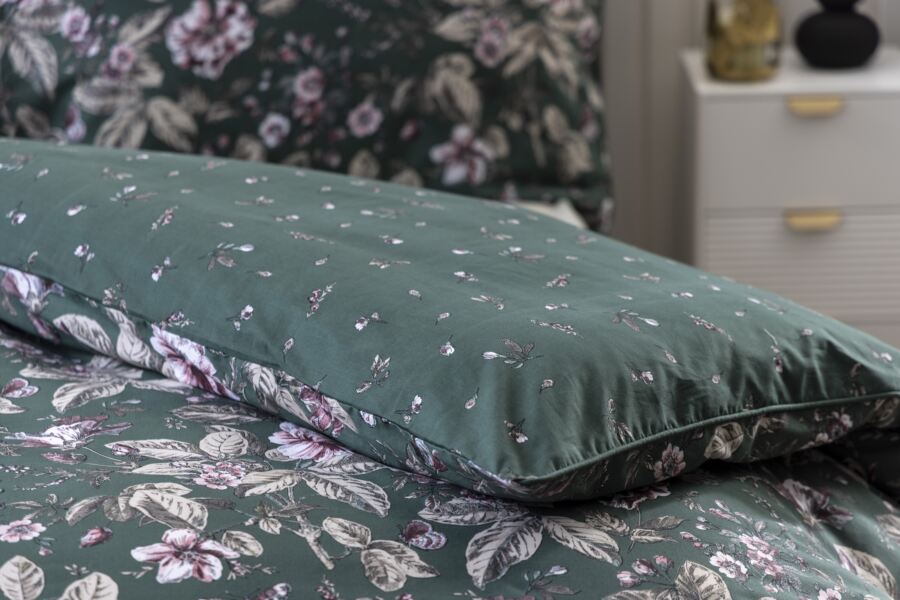
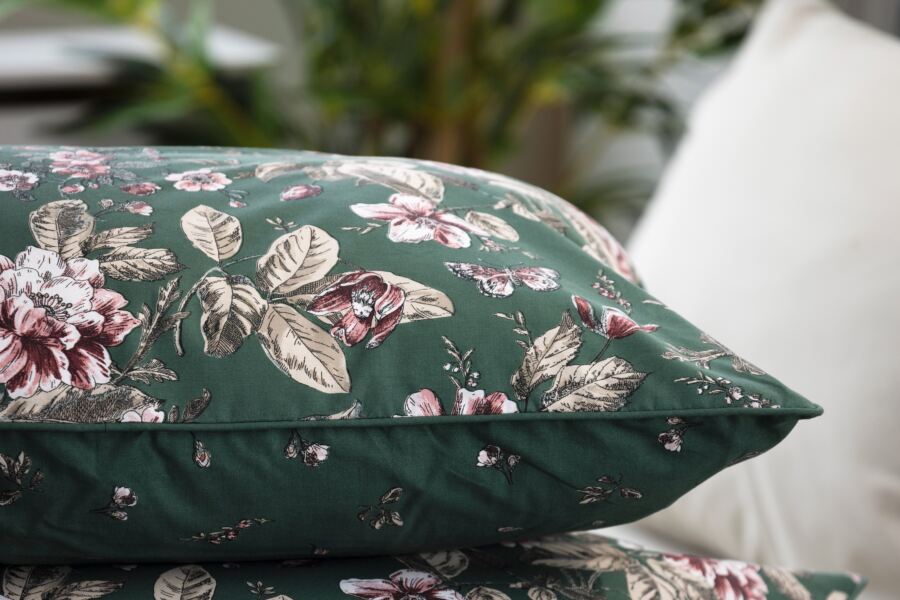
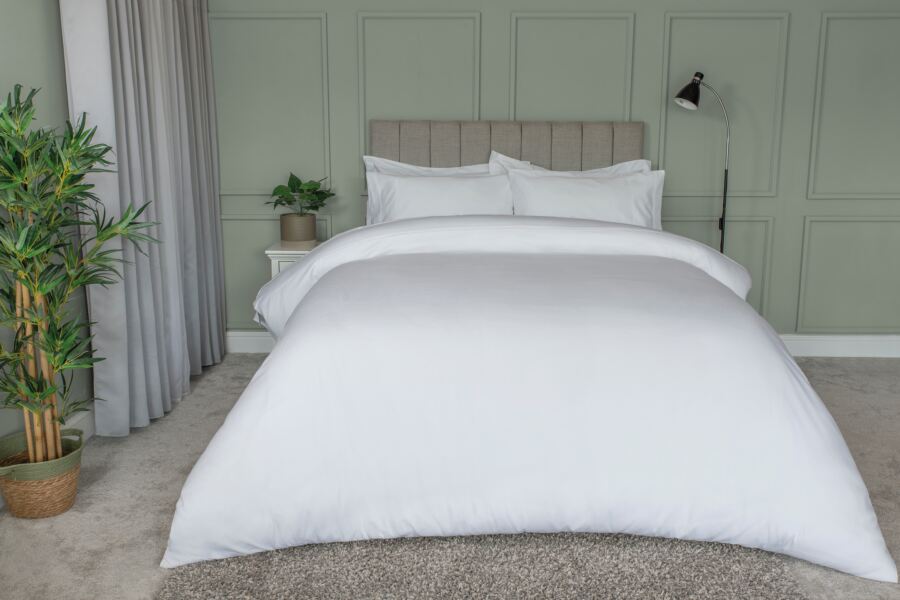
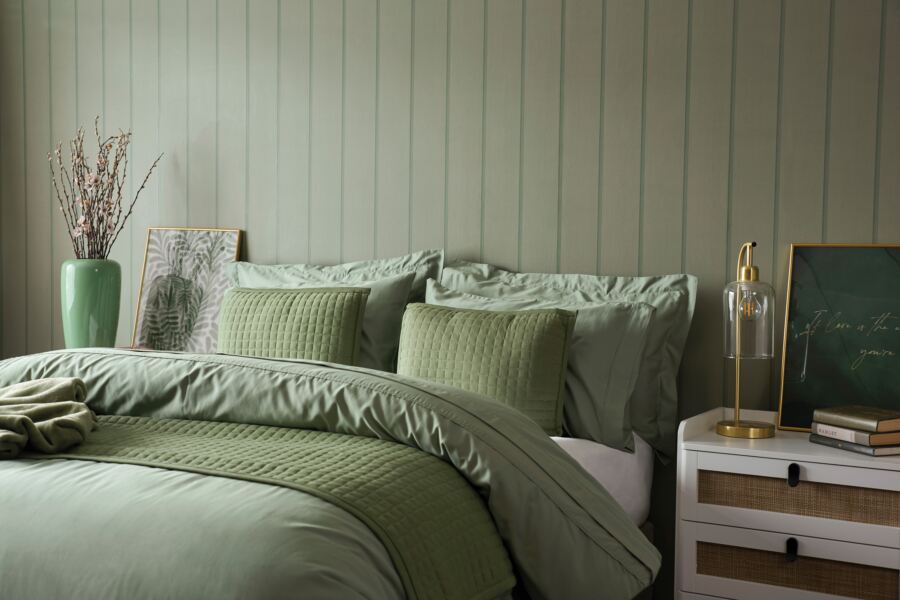
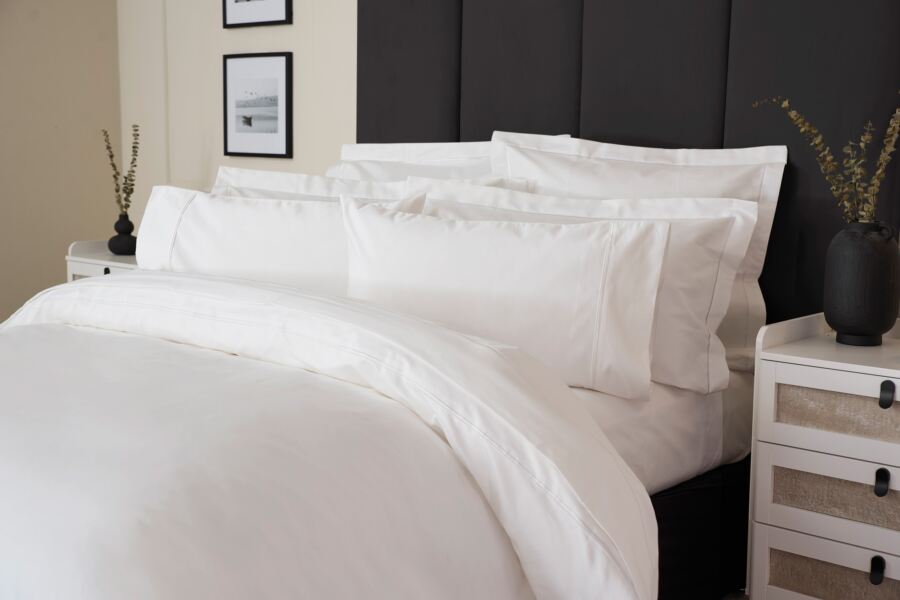
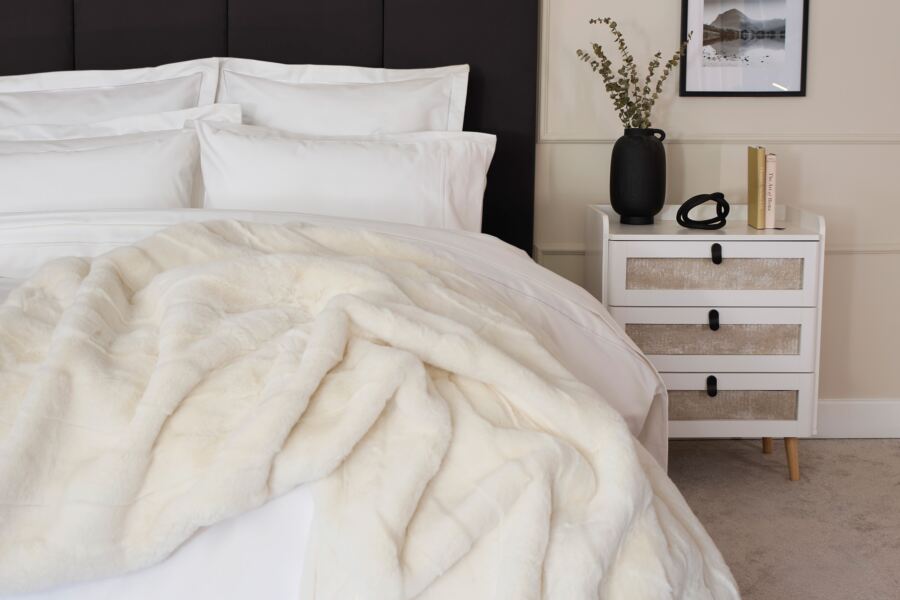
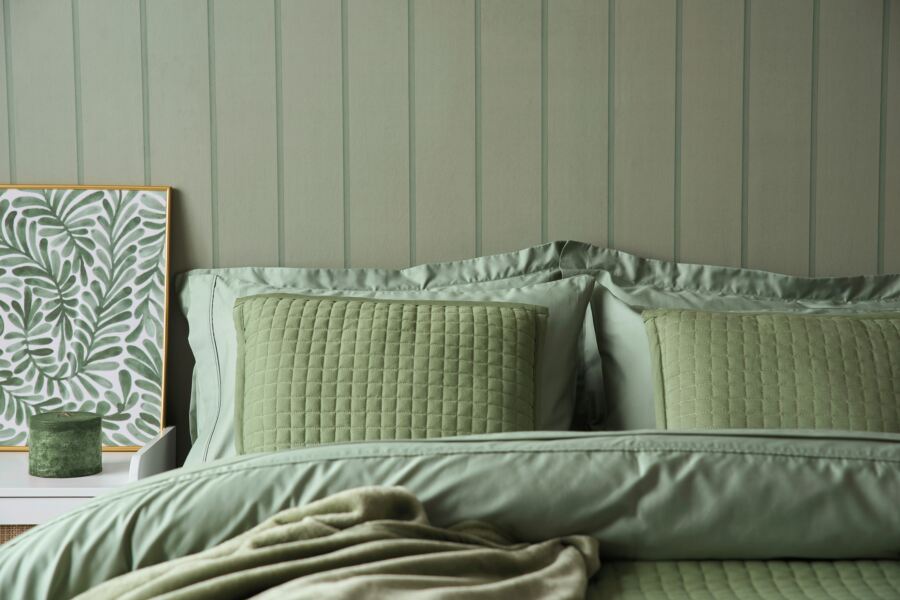
As nights turn cooler from September, the right bed sheets make the difference between getting into a cold bed and settling into one that feels warm from the moment you lie down. Brushed cotton flannelette has a soft, napped surface that traps warmth against the skin - the most popular choice for autumn and winter. Jersey cotton warms up quickly with a smooth, stretchy feel. Higher thread count cotton sateen (400TC and above) holds more warmth than a lighter percale, with a dense, smooth finish that suits the cooler months. Belledorm's autumn sheets are available across fitted, flat, and pillowcase formats in a wide range of sizes, from narrow single to large emperor, so you can switch the full bed to a warmer fabric as the season changes.
»



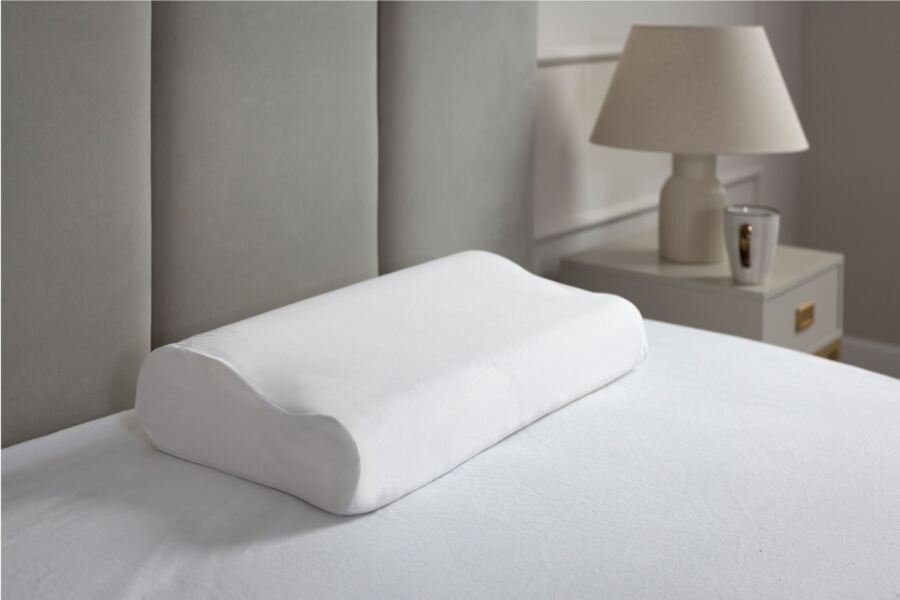
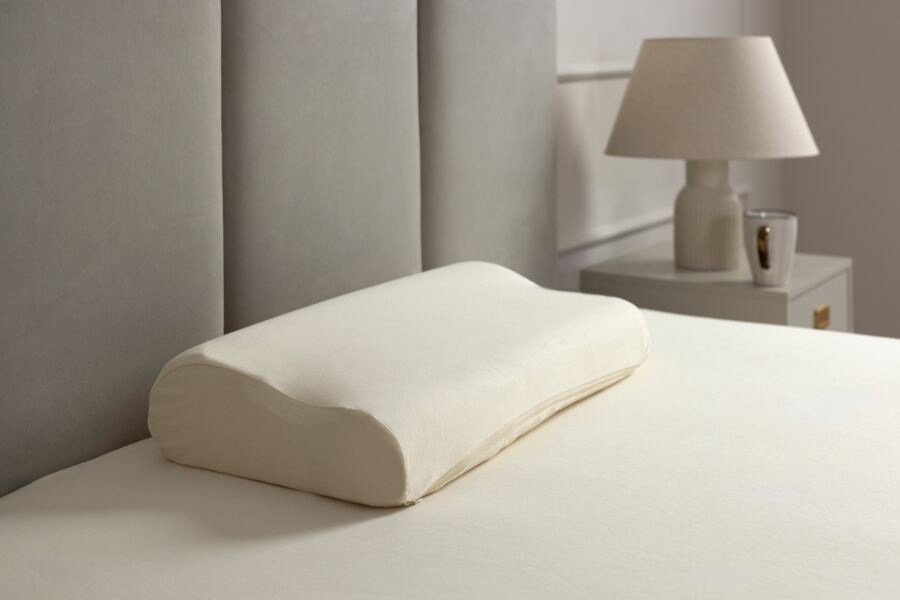
 25-38
25-38




 15-25cm



 20cm
20cm
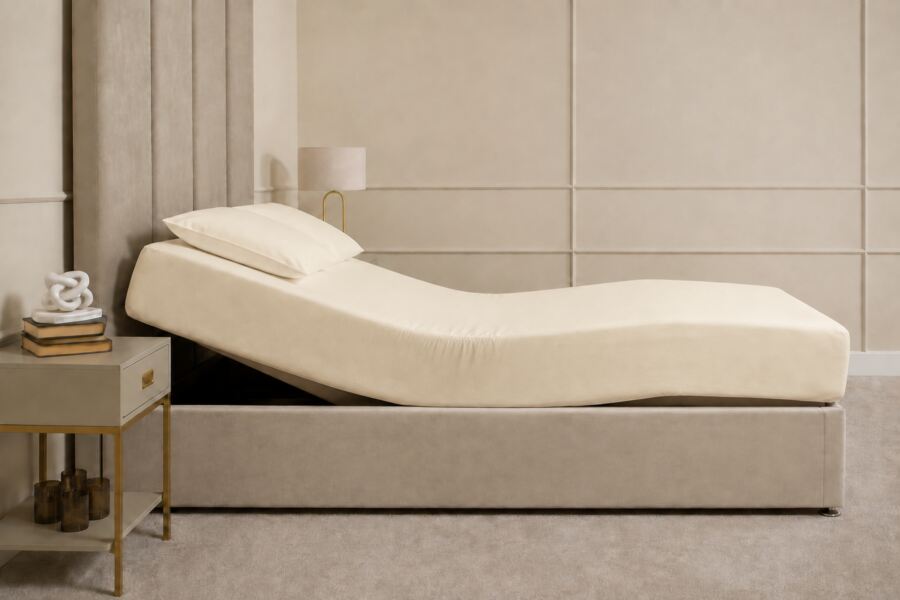
 38cm
38cm
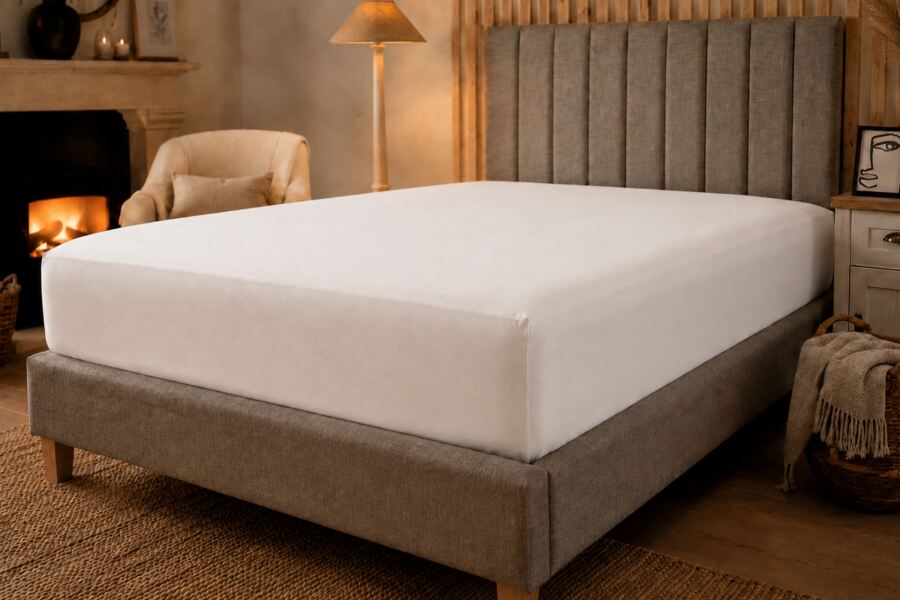
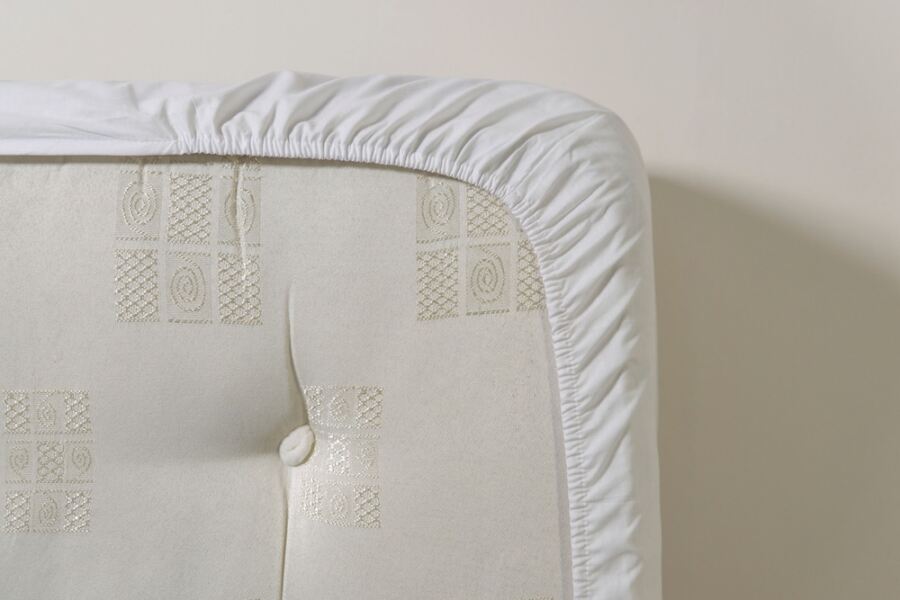
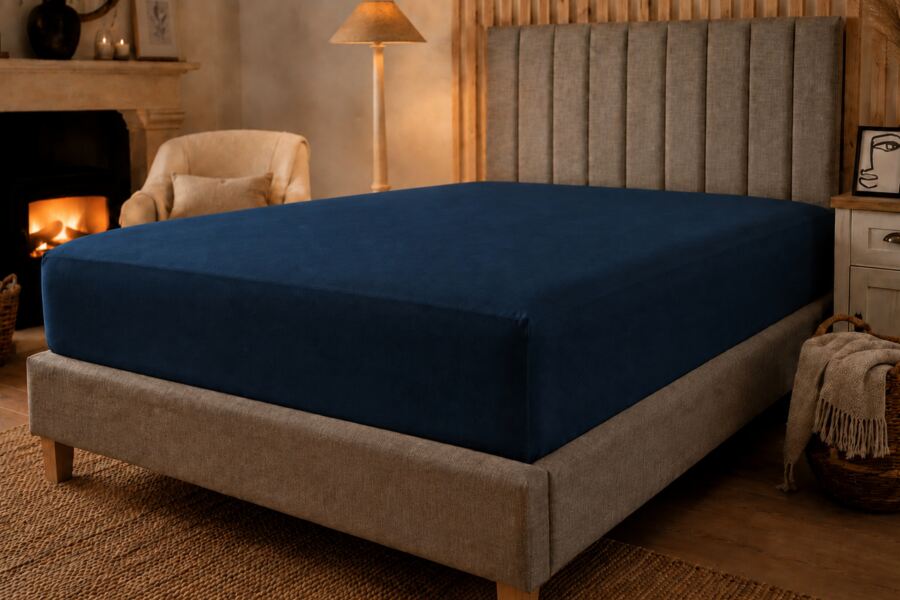








 30cm
30cm
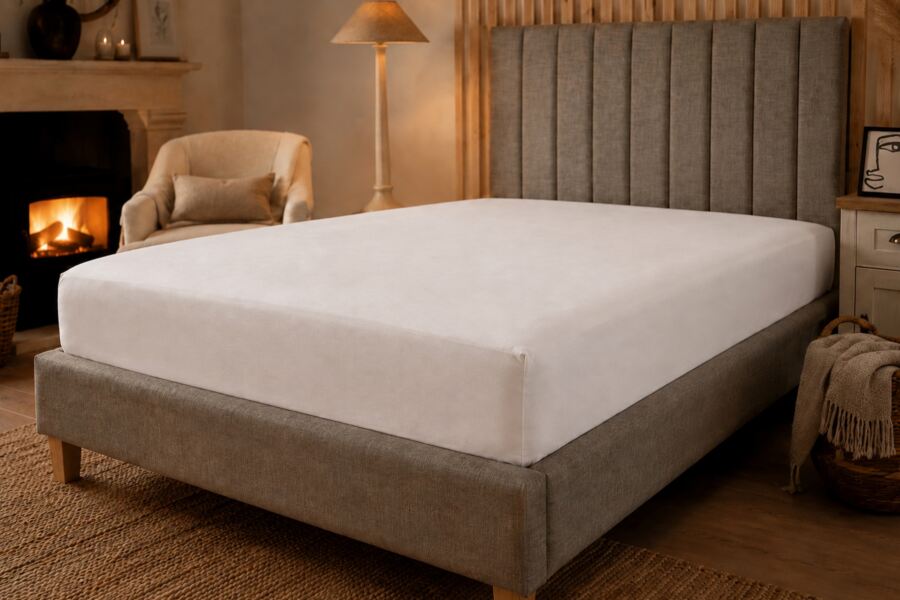
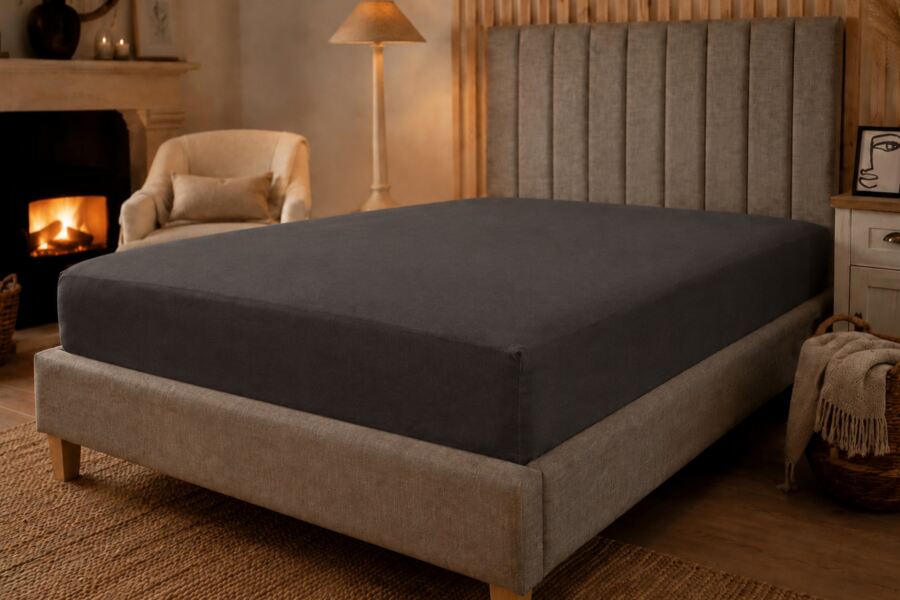
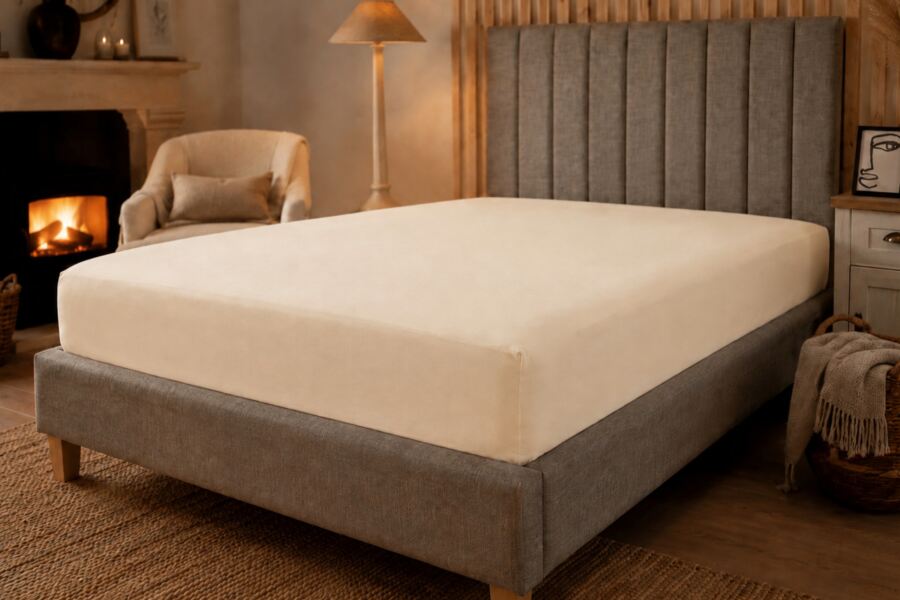


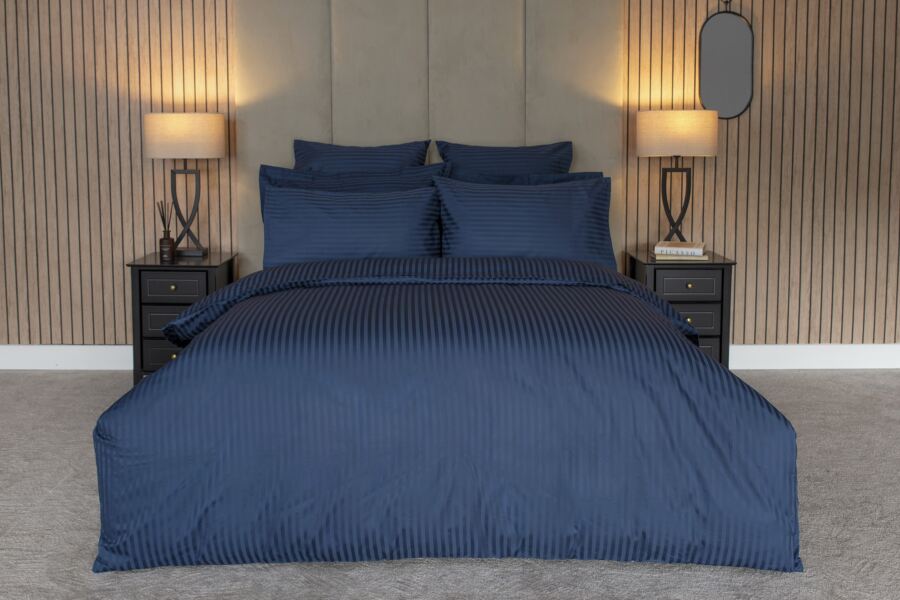
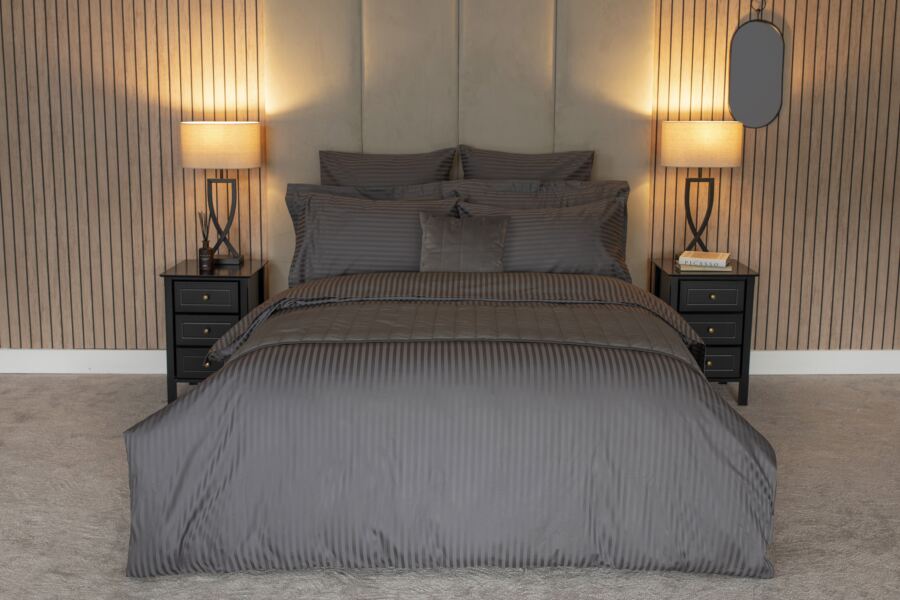
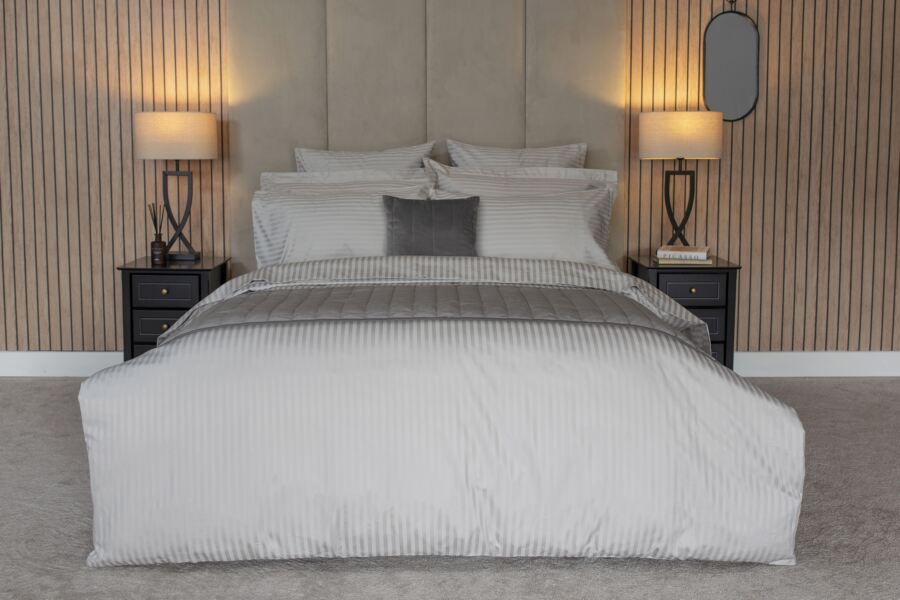





 38cm
38cm




















 30cm
30cm



 38cm
38cm






 30cm
30cm















 Got Autumn Bed Sheet Questions? We've Got Answers
As nights turn cooler from September onwards, fabrics that retain a little warmth work best. Brushed cotton flannelette is the most popular choice for autumn - the raised, napped surface traps a thin layer of air against the skin, which feels noticeably warmer when you first get into bed. Jersey cotton has a similar effect, with a soft, stretchy T-shirt-like feel that warms up quickly. Higher thread count cotton sateen (400TC and above) also suits autumn well - the denser weave holds more warmth than a lighter percale. For a year-round option that adapts to the changing season, Egyptian cotton sateen offers breathability with enough weight to feel comfortable as temperatures drop.
Most people switch between mid-September and early October, once overnight temperatures start dropping consistently and you notice the bed feeling cool when you first get in. The clearest sign is that initial chill - if your current sheets feel cold against the skin for more than a few minutes after getting into bed, a warmer fabric will make a noticeable difference. You do not need to wait for winter. Switching to brushed cotton or jersey cotton in early autumn means you start sleeping comfortably straight away rather than adjusting to cooler nights under sheets designed for summer.
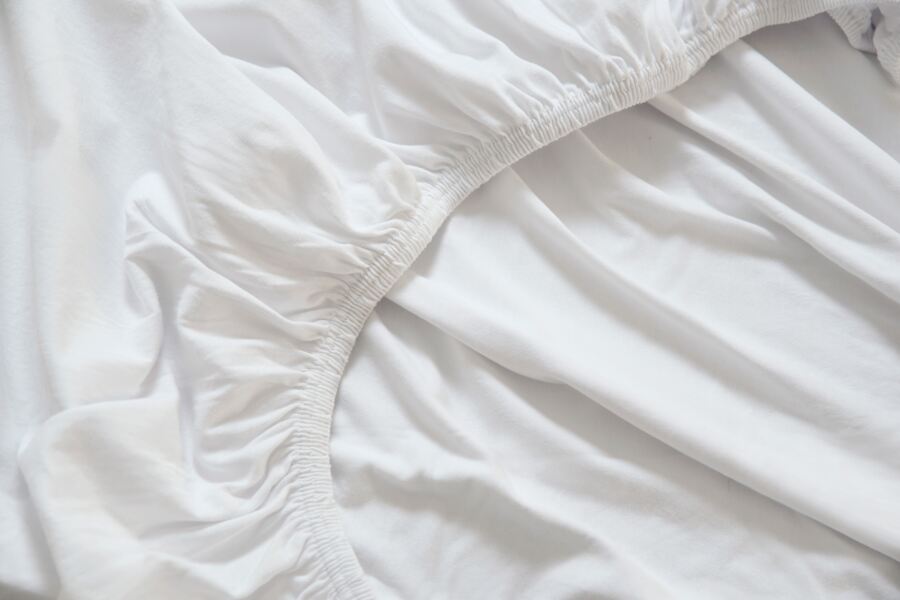
Brushed cotton (also called flannelette) is a woven cotton fabric that has been brushed on one or both sides to raise the fibres, creating a soft, fuzzy surface that traps warmth. It has a more structured feel and stays flat on the mattress. Jersey cotton is a knitted fabric - the same construction as a cotton T-shirt - which gives it natural stretch and a smooth, soft feel that moulds to the mattress. Both fabrics warm up quickly and retain heat well. Brushed cotton suits people who prefer a traditional, structured sheet feel. Jersey cotton suits those who prefer a more relaxed, stretchy fit.
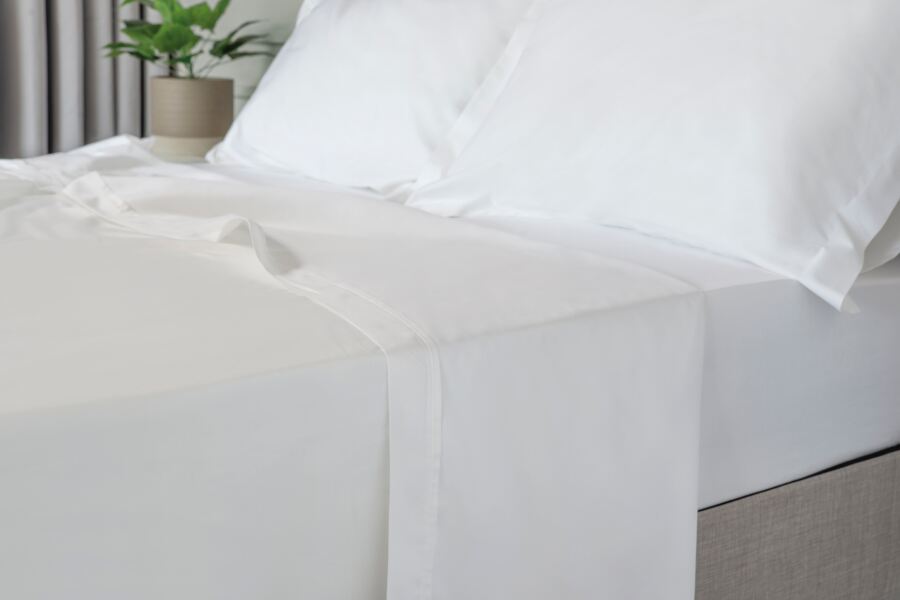
Not at all - it depends on the weave and thread count. Egyptian cotton in a sateen weave at 400 thread count or above has a smooth, dense surface that retains warmth more effectively than a lighter percale weave. The higher the thread count, the denser the weave, and the more warmth the fabric holds. A 600 or 1000 thread count Egyptian cotton sateen fitted sheet feels substantial and warm against the skin, making it well suited to autumn and even winter. If you currently sleep on Egyptian cotton percale (which has a crisper, cooler feel), switching to sateen in the same cotton for autumn gives you more warmth without changing fabric entirely.
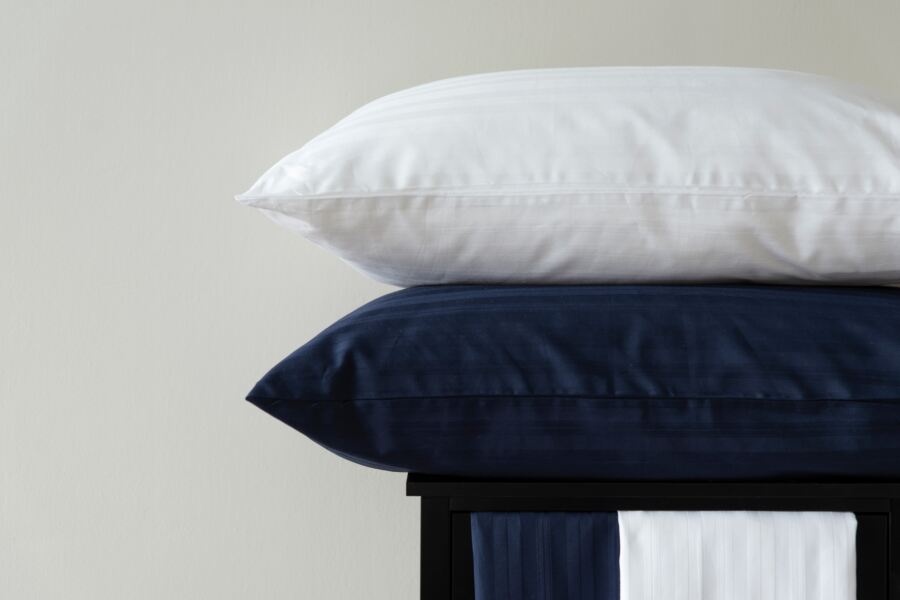
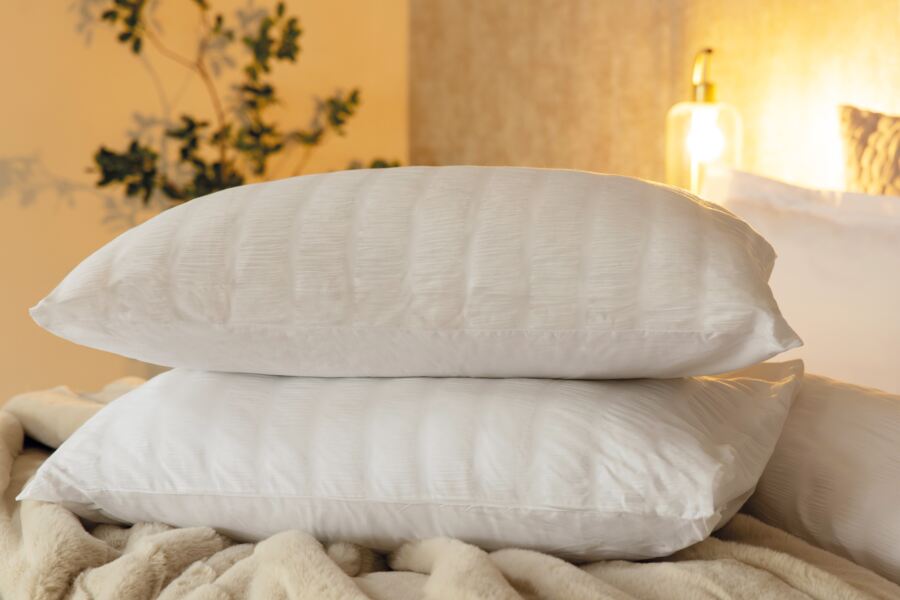
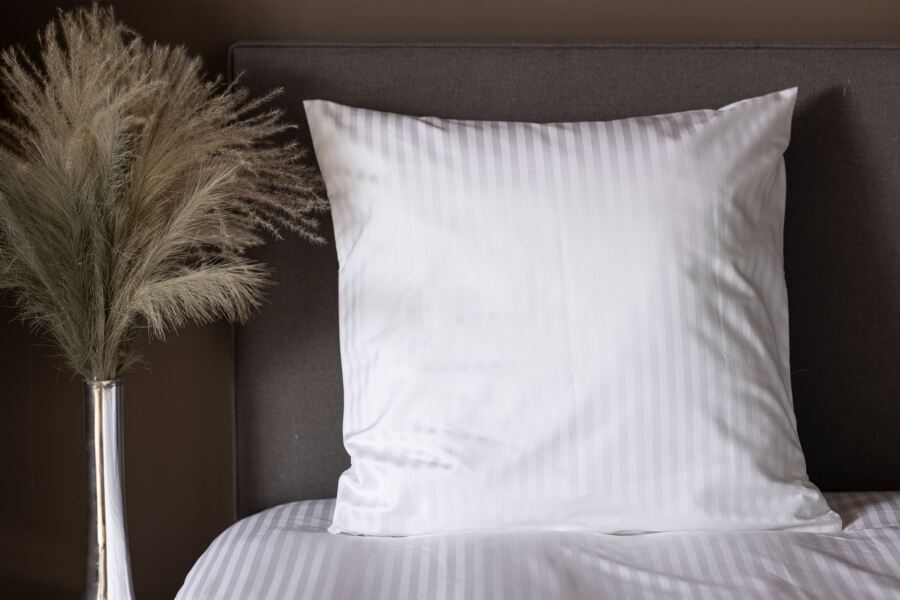
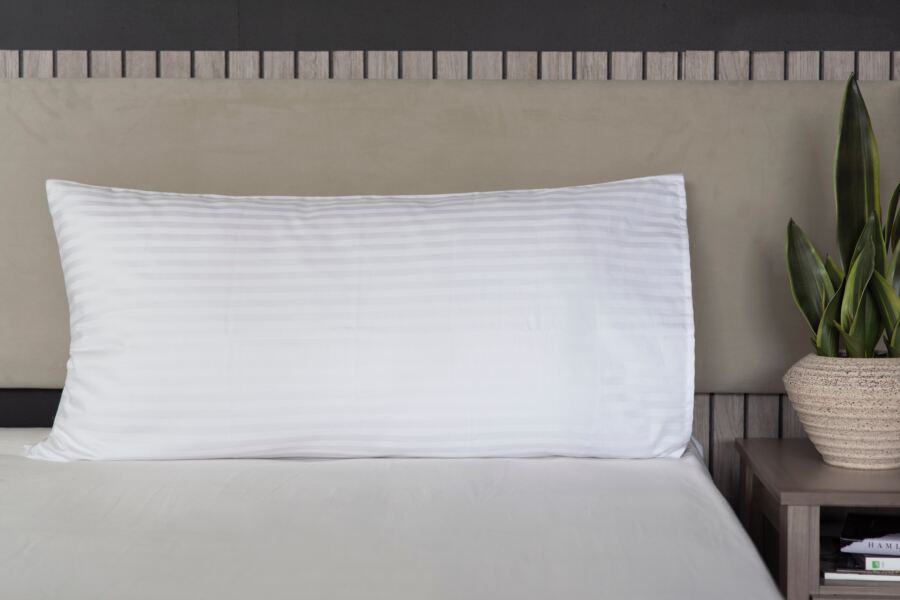
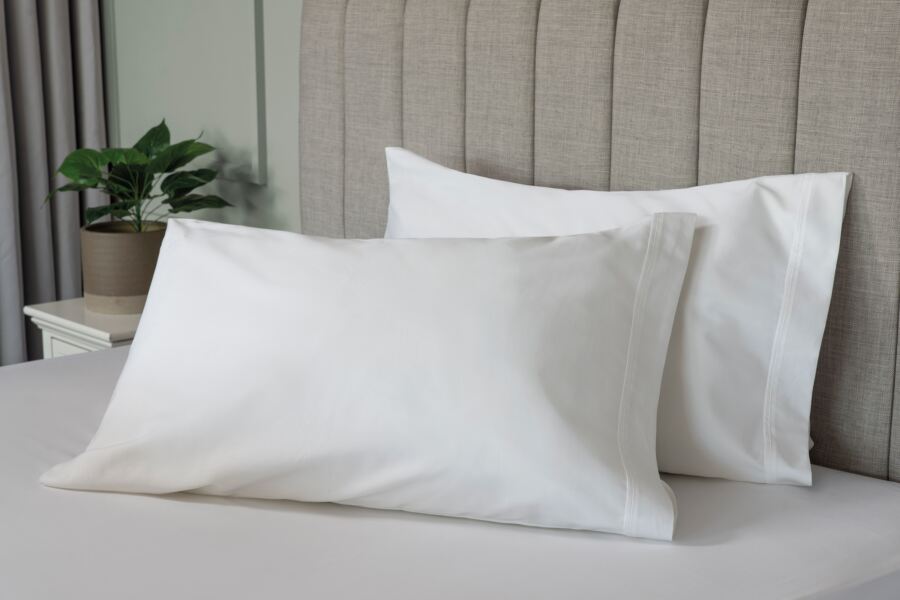
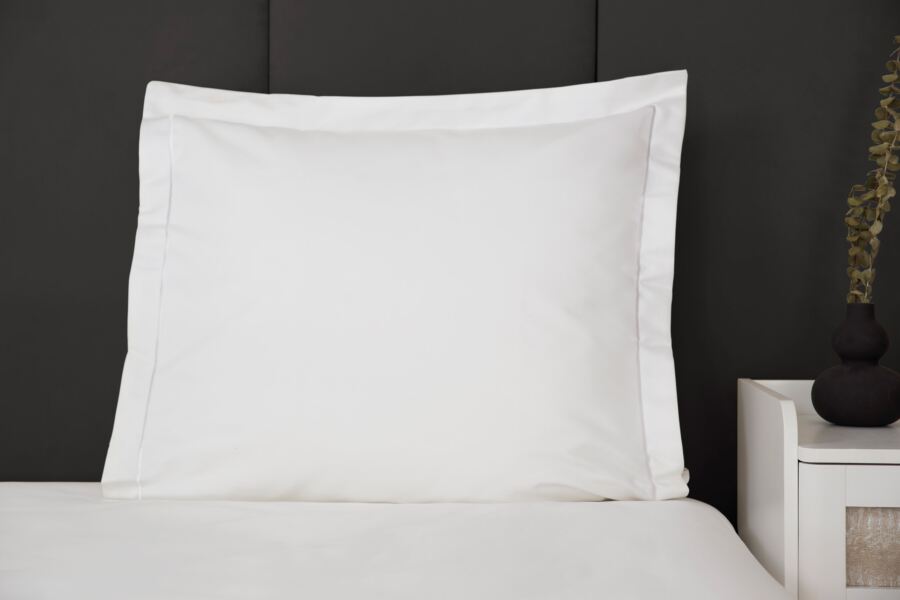
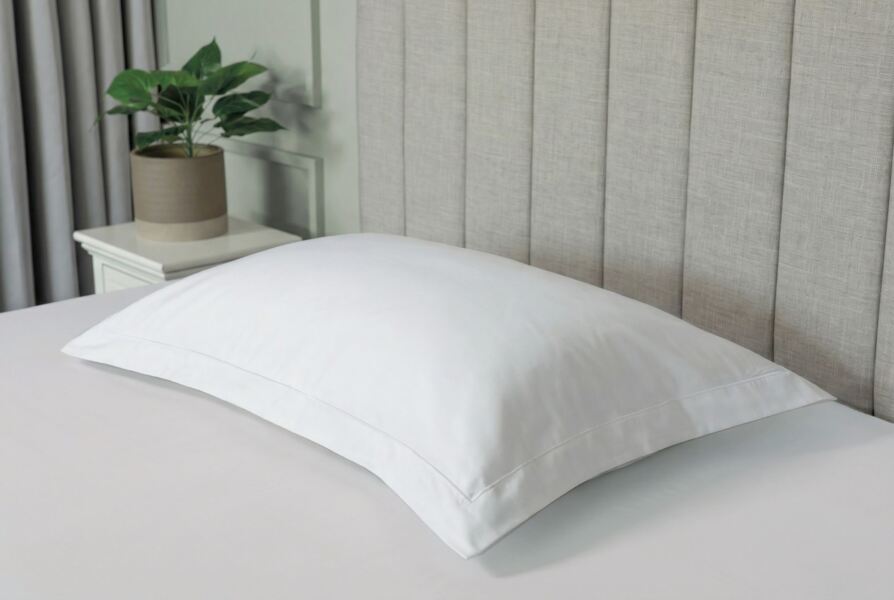
Changing your pillowcases to match your autumn sheets makes a noticeable difference to comfort. Your pillowcase is the fabric your face and neck rest against all night, so if your fitted sheet is brushed cotton but your pillowcase is still a cool percale, the contrast can feel uncomfortable. Belledorm's brushed cotton, jersey cotton, and higher thread count sateen pillowcases are all available in matching colourways, so you can coordinate the full bed. If you prefer to keep your existing pillowcases, at minimum switching to a sateen or jersey cotton pillowcase for autumn gives a warmer feel against the skin without changing anything else.
For autumn, a thread count of 400 and above in a sateen weave provides the right balance of warmth and comfort. The denser weave at higher thread counts creates a smoother, heavier fabric that retains body heat more effectively than a lighter, lower thread count sheet. Belledorm's 400TC Egyptian cotton sateen, 600TC cotton sateen, and 1000TC Egyptian cotton sateen are all well suited to cooler months. If you prefer brushed cotton or jersey cotton, thread count is less relevant - these fabrics derive their warmth from the surface texture and construction rather than the density of the weave. Choose the fabric type that matches the feel you prefer against your skin.
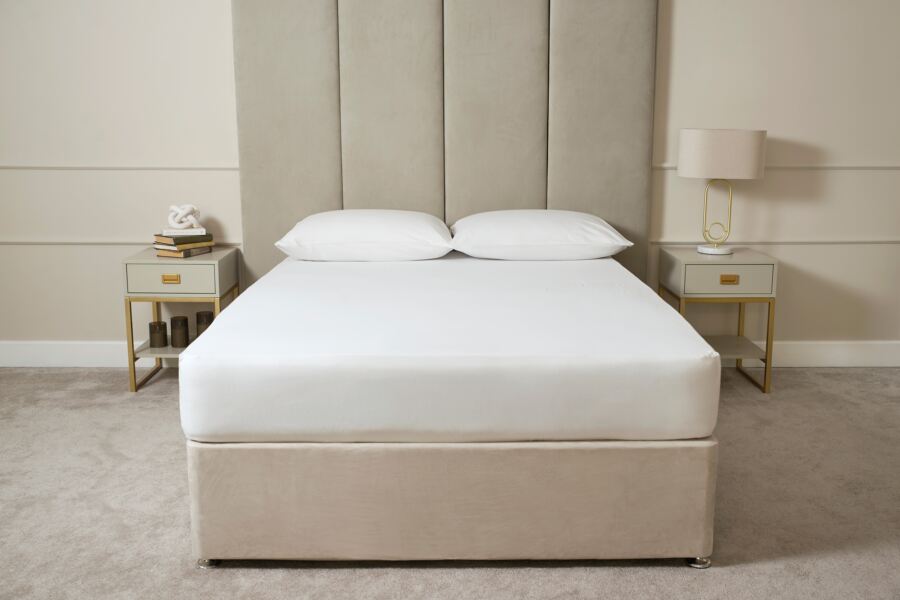
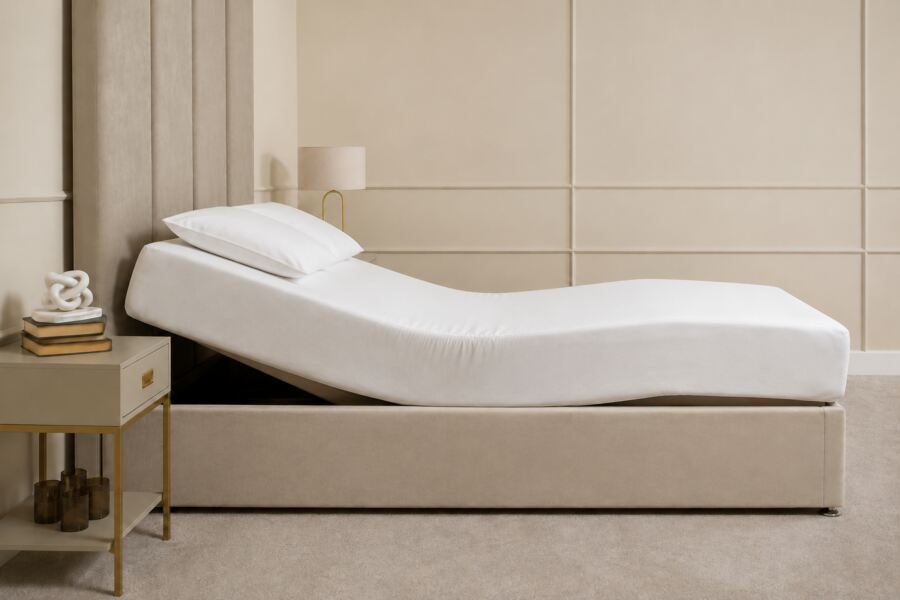
No - fitted sheet depth is determined by your mattress, not the season. Whether you choose brushed cotton, jersey cotton, or Egyptian cotton sateen for autumn, you need the same depth you use the rest of the year. If your mattress is between 25 and 35 cm deep, a standard deep fitted sheet will fit. For mattresses over 35 cm, Belledorm's extra deep and ultra deep fitted sheets are available in autumn-appropriate fabrics. Jersey cotton sheets have natural stretch, which means they accommodate slightly deeper mattresses more easily than woven fabrics. Always check the depth on the product page to ensure a secure fit.
Both fabrics are machine washable at 40°C on a standard cycle. Use a mild detergent and avoid bleach, which can damage the brushed surface on flannelette and weaken the knitted structure of jersey cotton. Tumble dry on a low setting - brushed cotton can shrink slightly at higher temperatures, and jersey cotton maintains its stretch better when dried gently. Brushed cotton may produce a small amount of lint during the first few washes, which is normal and settles after two or three cycles. Jersey cotton is naturally crease-resistant and rarely needs ironing. Both fabrics soften with repeated washing, so they feel even more comfortable over time.