

 Platinum trusted service award
Spring Bed Sheets
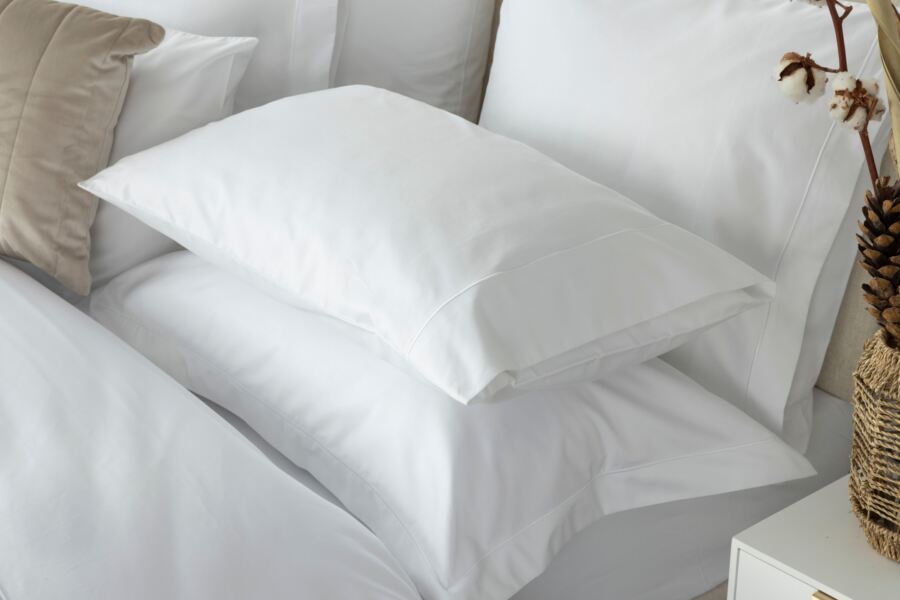
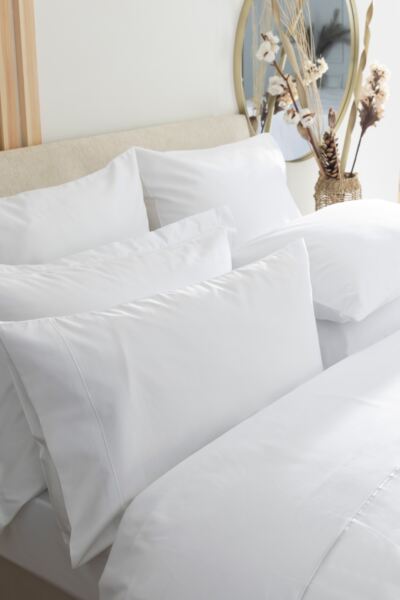
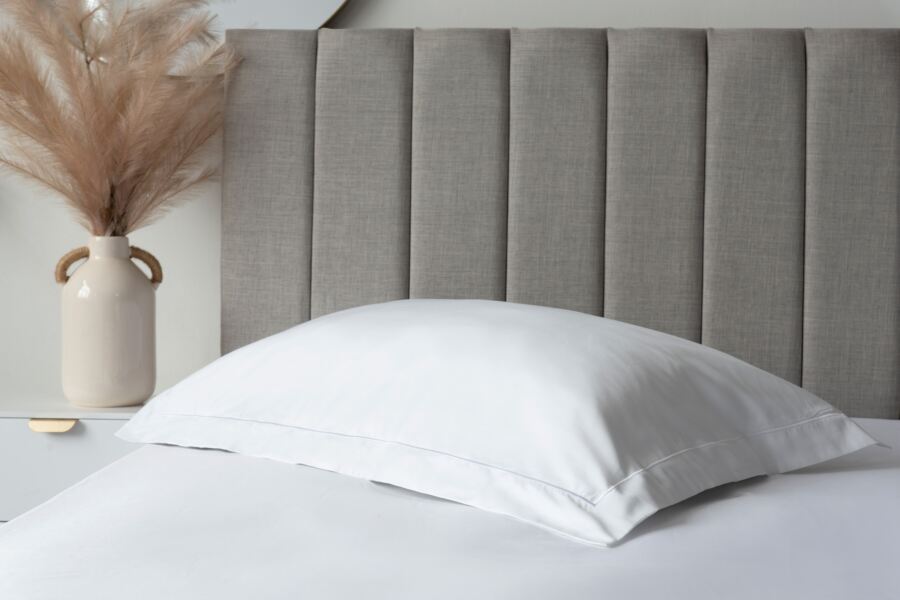
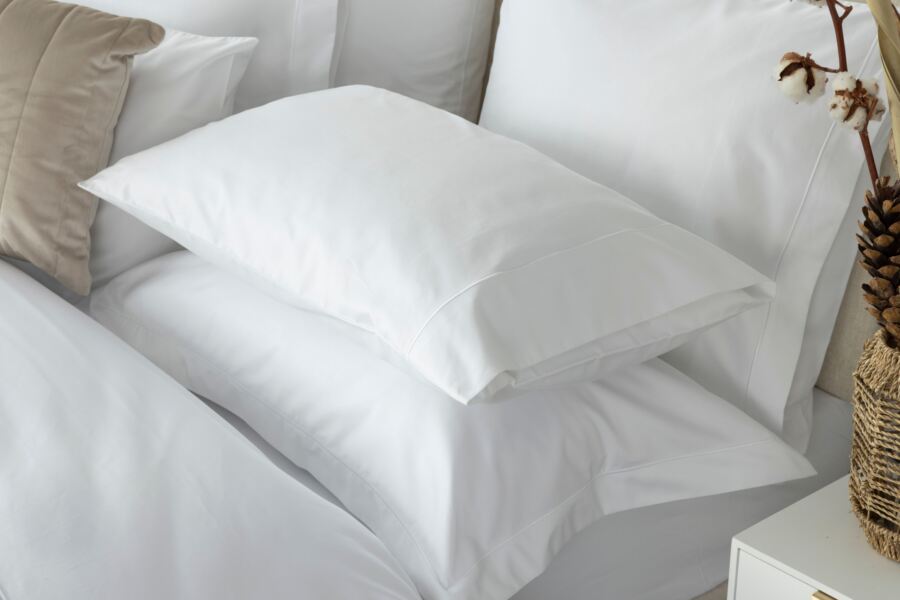
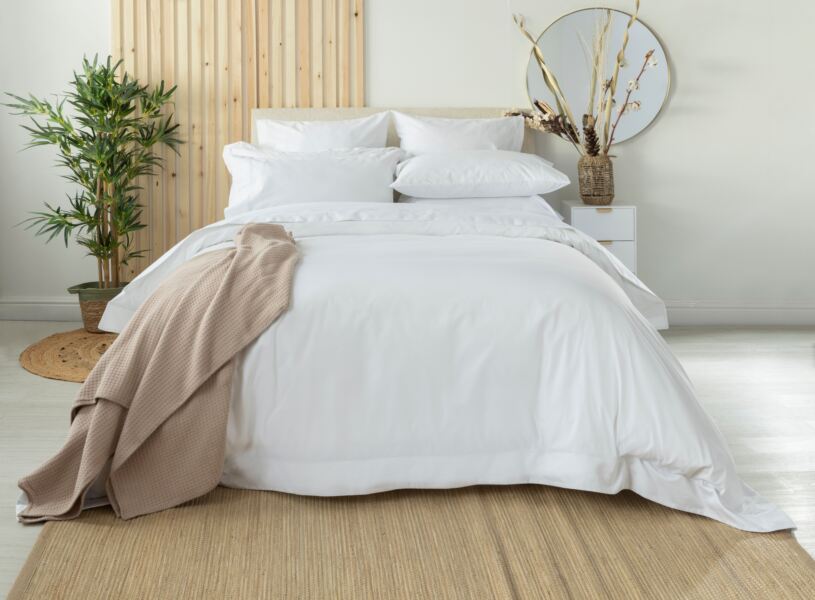
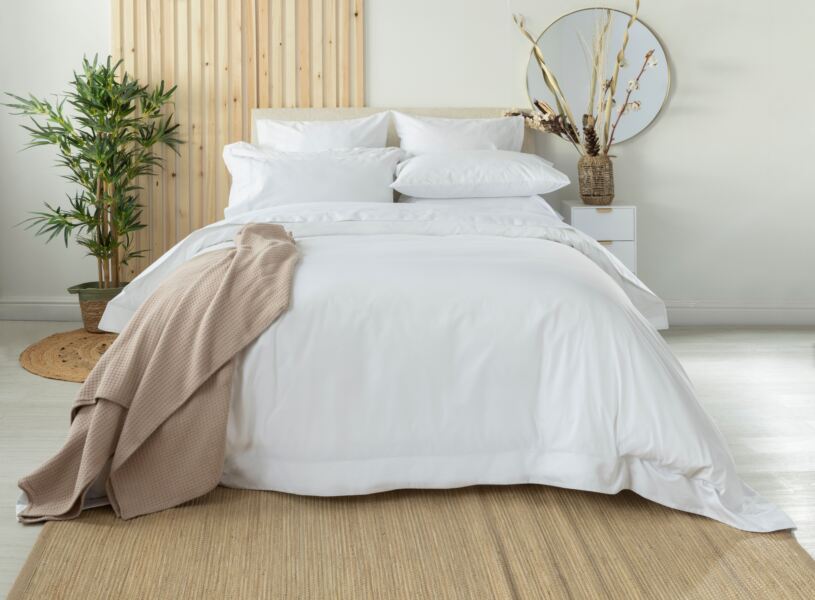
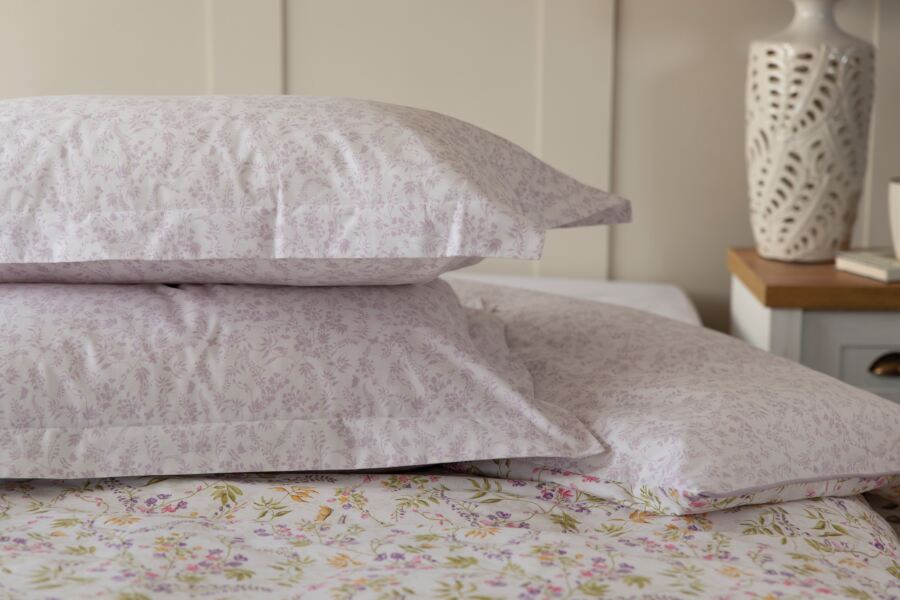
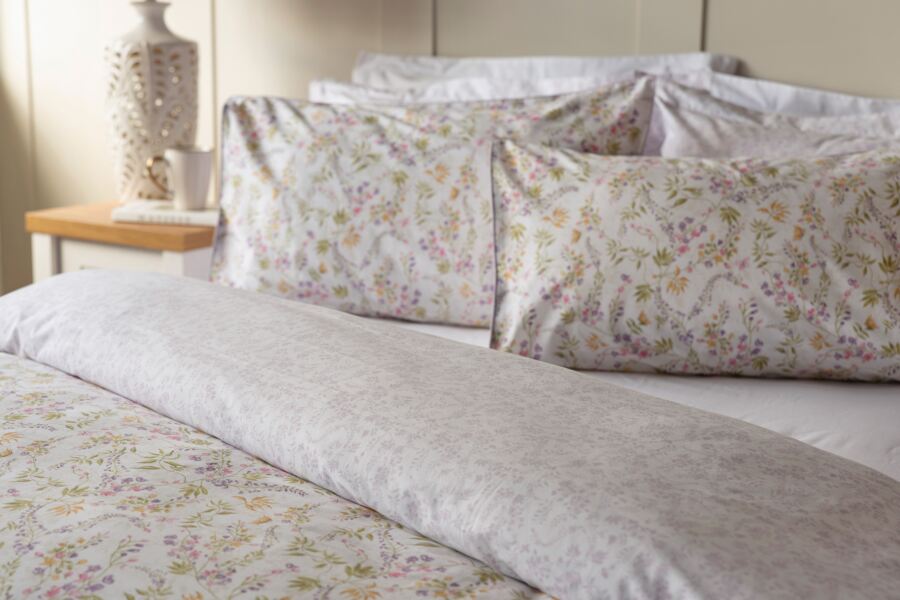
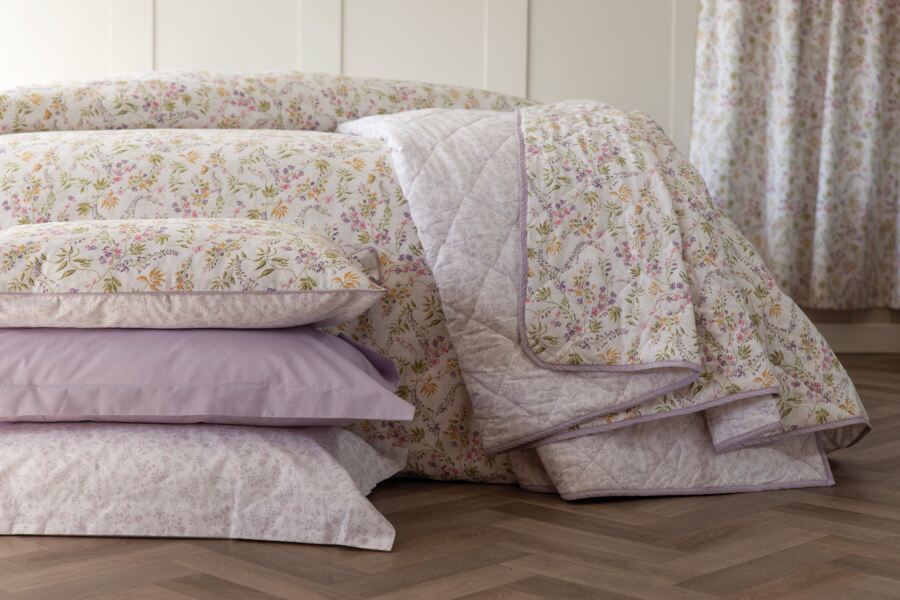
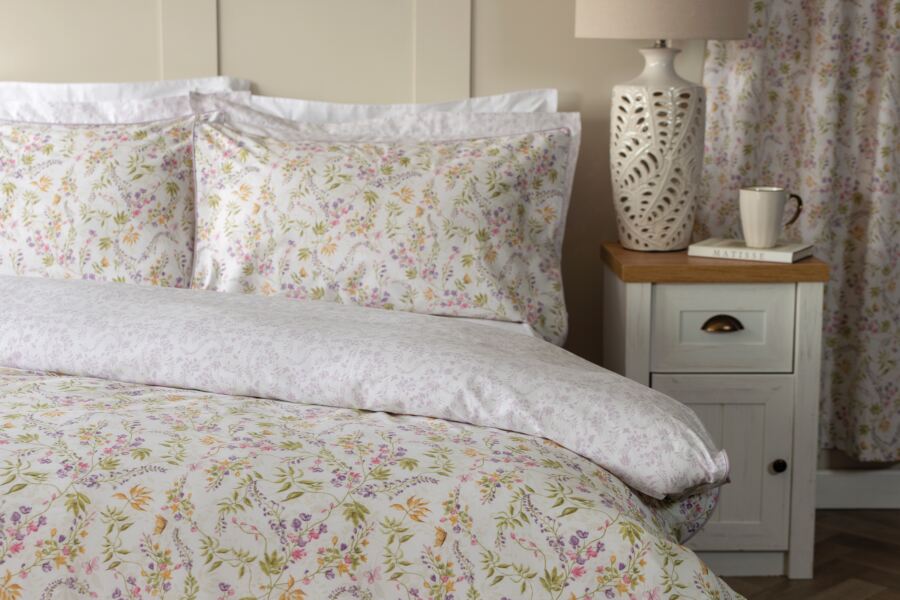
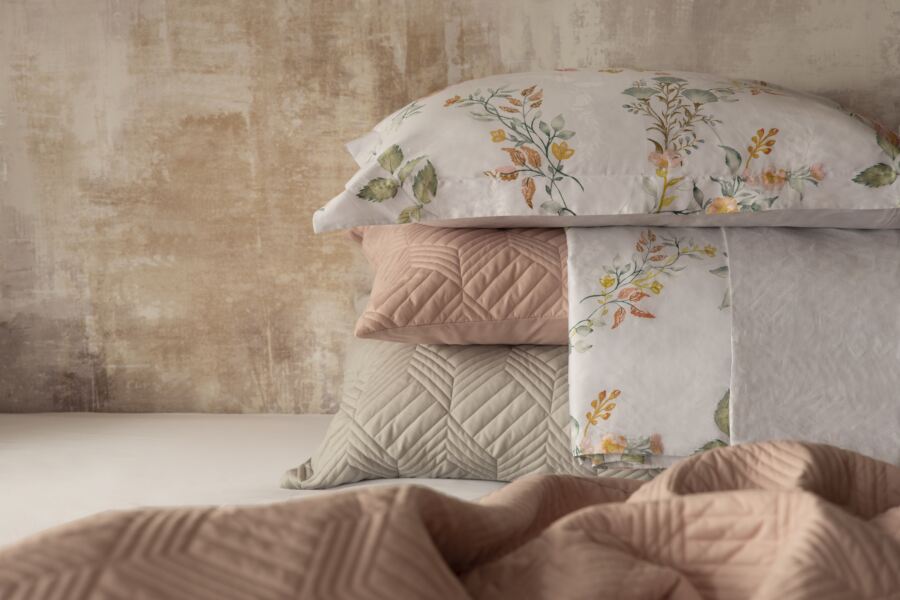
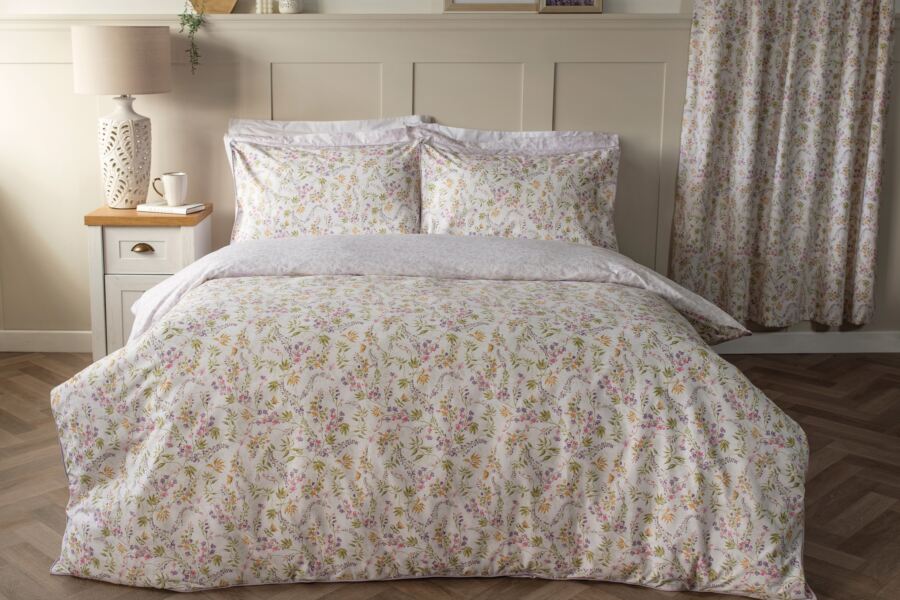
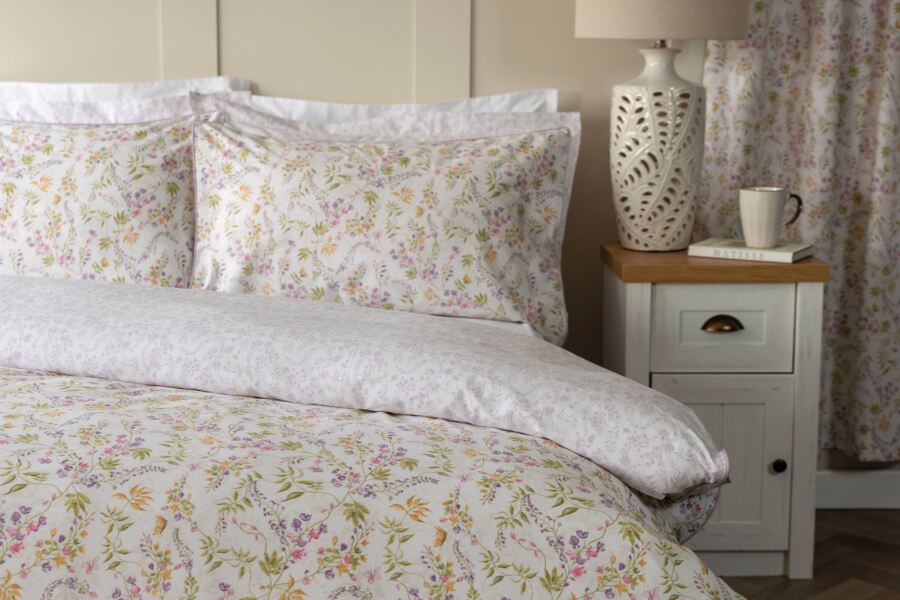
Discover our selection of spring bed sheets, designed to elevate your sleeping experience as the seasons change. Crafted from breathable materials, these spring sheets offer a cool and comfortable feel perfect for warmer nights.
»




 30cm
30cm






 46cm
46cm


 46cm
46cm









 38cm
38cm
















 38cm
38cm































































 30cm
30cm



 30cm
30cm








 38cm
38cm














































 38cm
38cm




 38cm
38cm





 38cm
38cm





































 30cm
30cm







 46cm
46cm
















 38cm
38cm















 30cm
30cm












 38cm
38cm










 38cm
38cm














 Got Spring Bed Sheet Questions? We've Got Answers
The best bed sheets for spring are lightweight, breathable cotton fabrics that help regulate body temperature as the weather warms. Cotton percale (200 thread count) is a strong choice for spring, the one-over-one-under weave structure creates an airy, crisp feel that allows heat to escape rather than building up under the duvet.
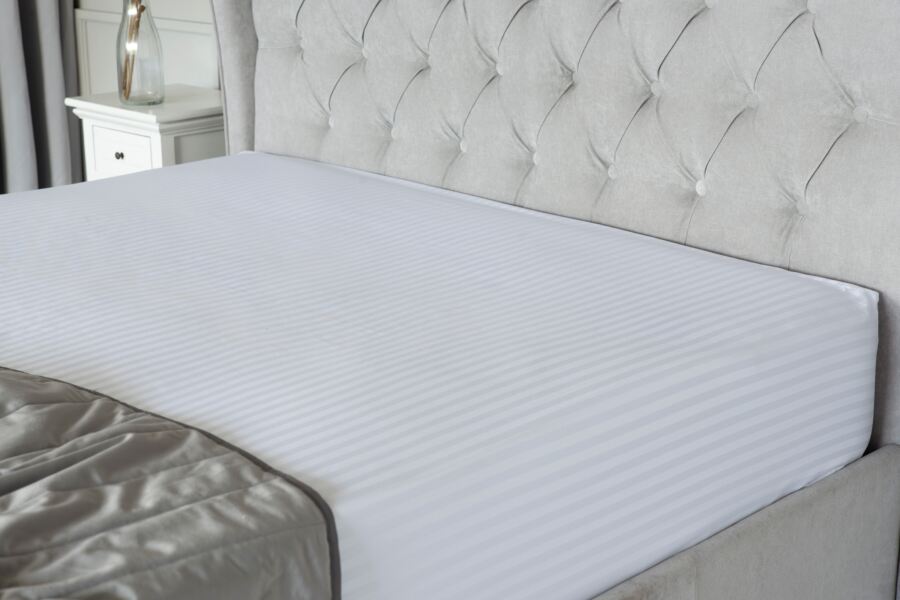
Egyptian cotton sateen at 400 thread count is also well suited to spring. The sateen weave has a smoother, denser surface than percale, which gives it a silkier hand-feel while still being breathable enough for the transitional season. If you tend to sleep warm, percale will feel cooler; if you prefer a smoother fabric against the skin, sateen is the better starting point. Belledorm's spring sheet range covers both weave types across multiple thread counts, so the choice comes down to how you sleep rather than the season alone.
Most sleep experts recommend switching to lighter bedding when overnight temperatures consistently stay above 12–15°C, or when you notice yourself feeling warm when you first get into bed or when you wake in the morning. In the UK, this typically falls in early to mid-April, though it varies by region and how well your home retains heat.
The easiest first step is to swap your sheets. If you have been using brushed cotton or jersey cotton through winter, switching to a cotton percale or cotton sateen fitted sheet immediately changes how the bed feels, both are lighter and more breathable against the skin. You can keep a heavier duvet for a week or two longer and adjust by removing layers gradually. There is no fixed date, let how you feel at night guide the timing rather than the calendar.
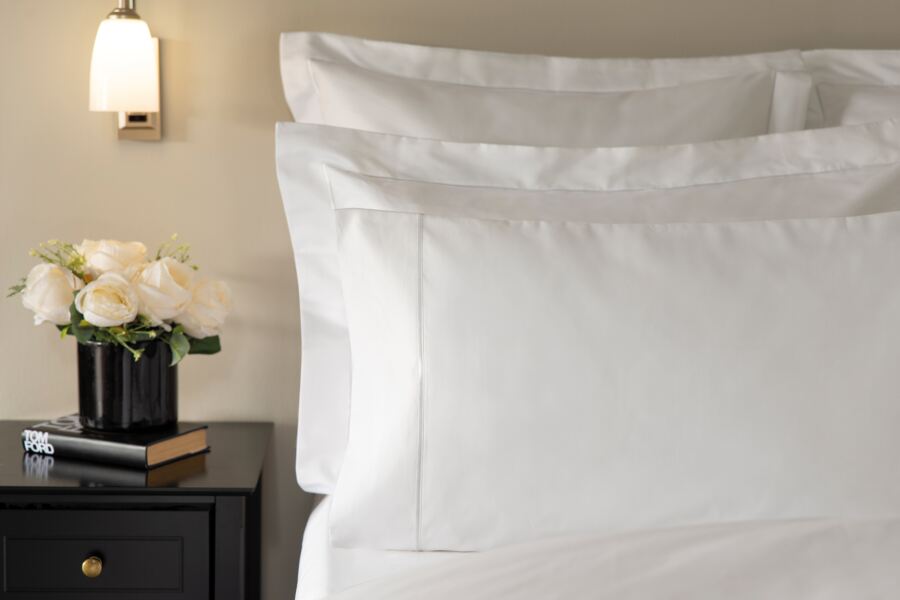
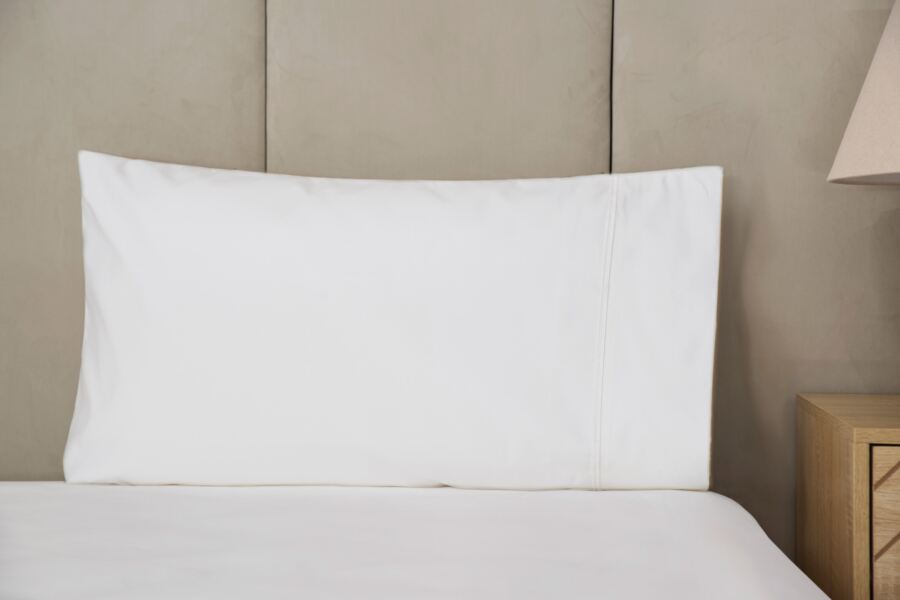
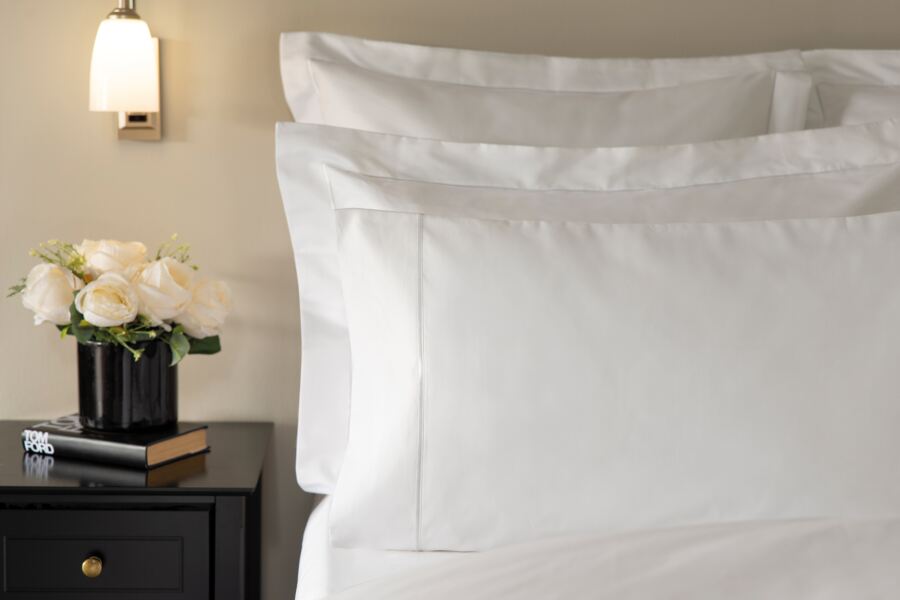
Percale and sateen are weave constructions, not fabric types, both can be woven from the same cotton, but the weave changes how the sheet feels and performs. Cotton percale uses a simple one-over-one-under weave that creates a crisp, matte finish with an open structure. This makes percale the more breathable of the two, and it feels noticeably cooler against the skin, well suited to sleepers who run warm or to the warmer end of spring.
Cotton sateen uses a four-over-one-under weave that brings more thread surface to the top of the fabric. This creates a smoother, silkier feel with a subtle sheen, but the denser weave retains slightly more warmth than percale. For early spring when nights can still be cool, sateen offers a comfortable balance between softness and breathability. As the season progresses toward summer, percale becomes the more practical choice if you tend to overheat at night.
100% cotton is more breathable than polycotton and manages moisture more effectively, making it the better-performing fabric for spring when temperature regulation matters most. Cotton fibres absorb and release moisture naturally, which helps keep you cool as overnight temperatures rise.
Polycotton (a blend of polyester and cotton) is easier to care for, it wrinkles less, dries faster, and is typically more affordable. For spring, a polycotton sheet is a practical option if easy care is a priority, but it will not feel as cool against the skin as pure cotton and may retain slightly more heat. If you sleep warm or your bedroom heats up during the day, 100% cotton in either a percale or sateen weave is worth the difference.
Not necessarily, the same lightweight cotton sheets that work well in spring will typically carry you through summer too. Cotton percale and cotton sateen are both suitable for the full March-to-September period in the UK, particularly at thread counts between 200 and 600.
The main adjustment between spring and summer is more likely to involve your duvet and layering rather than the sheets themselves. In spring, you might use a 7–10.5 tog duvet with a flat sheet layered underneath for flexibility; in summer, you may drop to a 1.5 - 4.5 tog duvet or use just the flat sheet on its own. If you choose cotton sheets in spring, they will serve you well into summer without needing to change again until the colder months return.
For spring, a thread count between 200 and 400 in a cotton percale weave offers the best balance of breathability and comfort. Lower thread counts in percale have a more open weave structure, which allows more airflow, this is why a 200TC cotton percale can feel cooler and lighter than a 600TC sateen, despite the lower number.
Higher thread counts (400–600+) in a sateen weave produce a smoother, denser fabric that feels silkier but retains a little more warmth. This can work well in early spring when nights are still cool, but may feel too warm from late April onwards if you sleep hot. Thread count is not a quality indicator on its own, the weave type and fibre quality matter equally. A well-woven 200TC Egyptian cotton percale will feel noticeably better than a poorly constructed 400TC standard cotton.
Choosing the right bedding can reduce your exposure to pollen and dust mites, both of which peak during spring. Tightly woven cotton sheets, particularly at higher thread counts, create a denser surface that is less hospitable to dust mites than loosely woven or synthetic fabrics. Cotton is also machine washable at 40°C, which kills dust mites and removes pollen that accumulates on bedding during the day.
Washing your sheets weekly during spring, keeping bedroom windows closed when the pollen count is high, and adding a mattress protector and pillow protectors all help create a cleaner sleep environment. Belledorm's hypoallergenic range includes mattress and pillow protectors that add a barrier between you and common allergens without affecting the breathability or comfort of your sheets.
Spring in the UK is unpredictable, a warm evening can be followed by a cold snap the next night. Layering your bed gives you the flexibility to add or remove warmth without changing your entire setup.
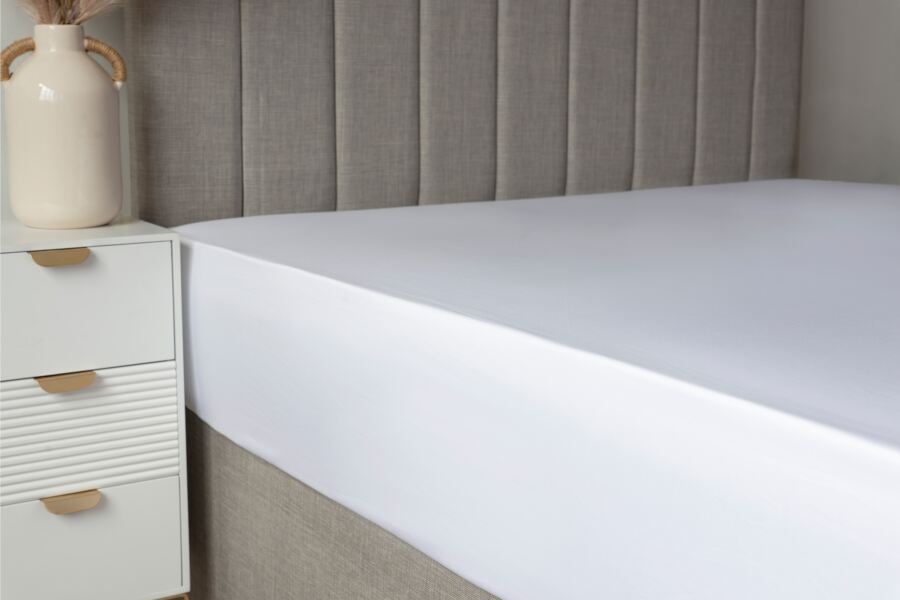
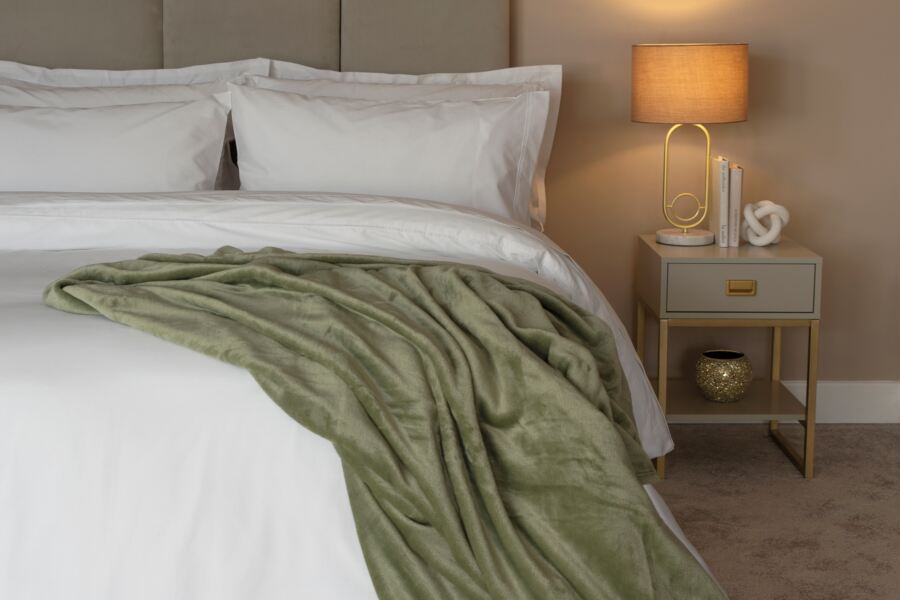
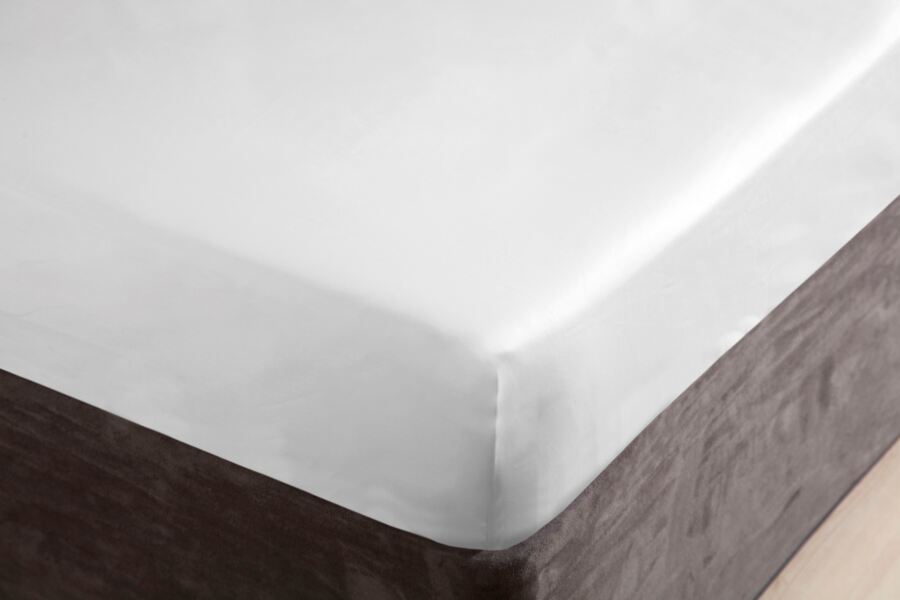
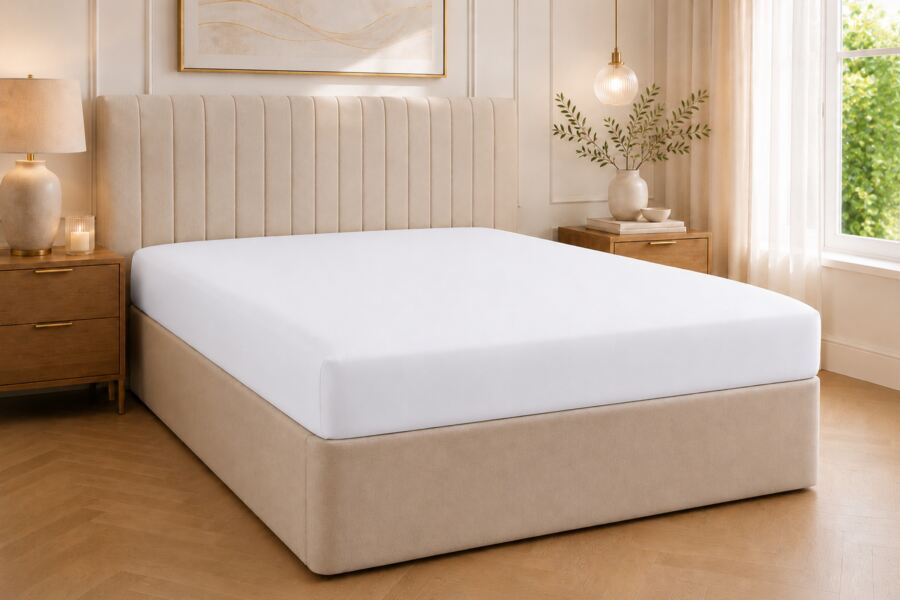
Start with a breathable cotton fitted sheet as your base, percale for a cooler feel, sateen for a smoother one. Add a flat sheet between your body and the duvet as a mid-layer; this gives you something light to sleep under on warmer nights when the duvet feels too heavy, and it adds an insulating layer on cooler nights. Use a mid-weight duvet (7–10.5 tog) rather than your winter duvet, and keep a lightweight throw at the foot of the bed for the coldest nights. This approach means you can adjust your comfort by removing or adding a single layer rather than getting up to change the duvet entirely.