

 Platinum trusted service award
Natural Pillows
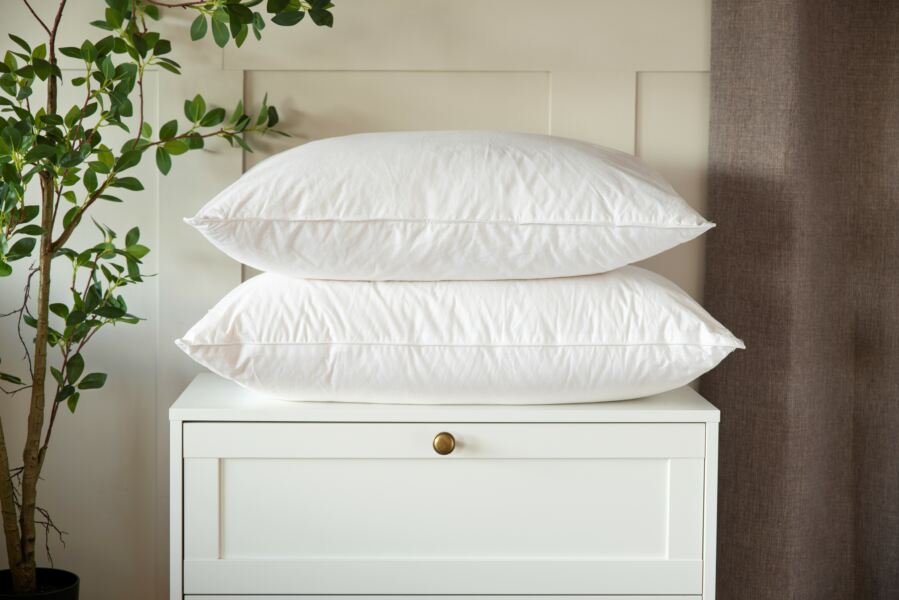
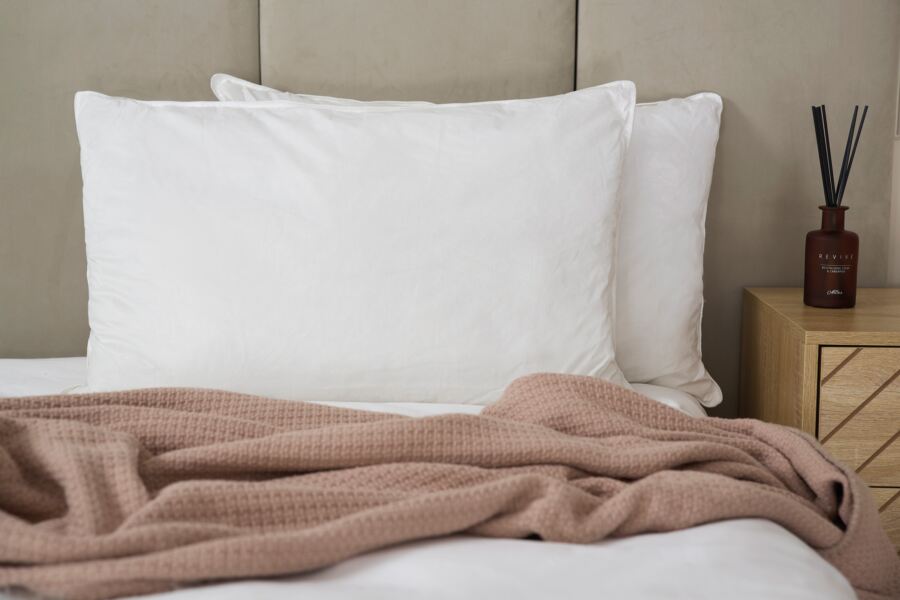
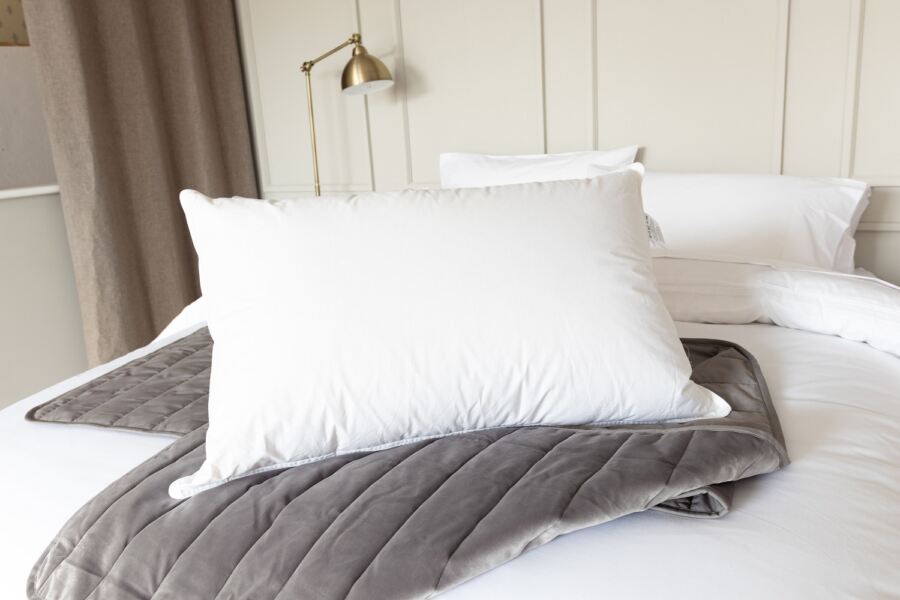
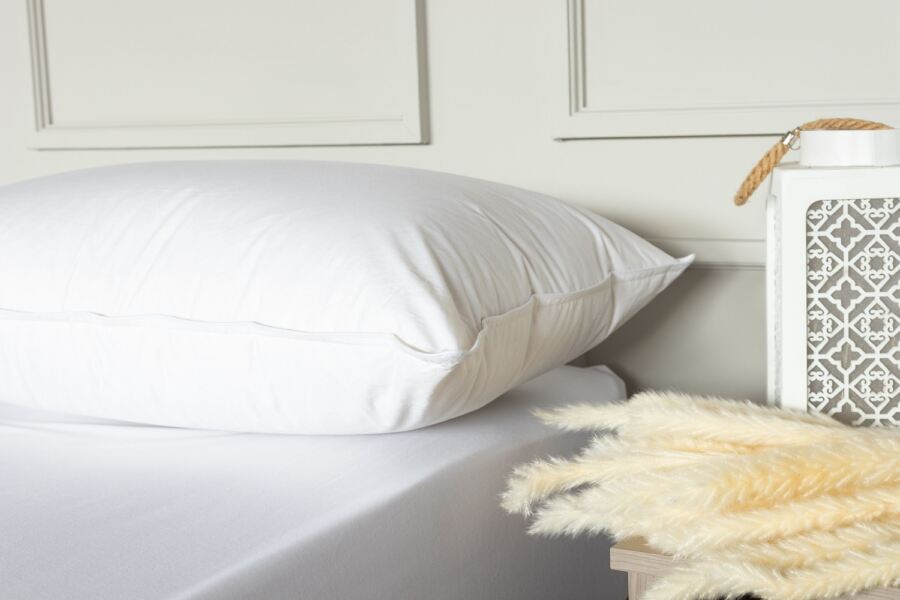
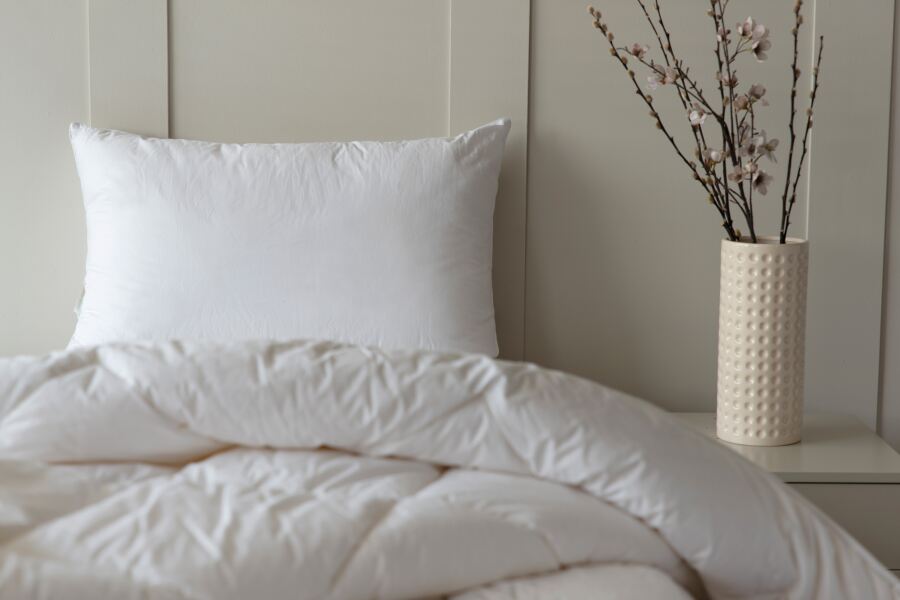
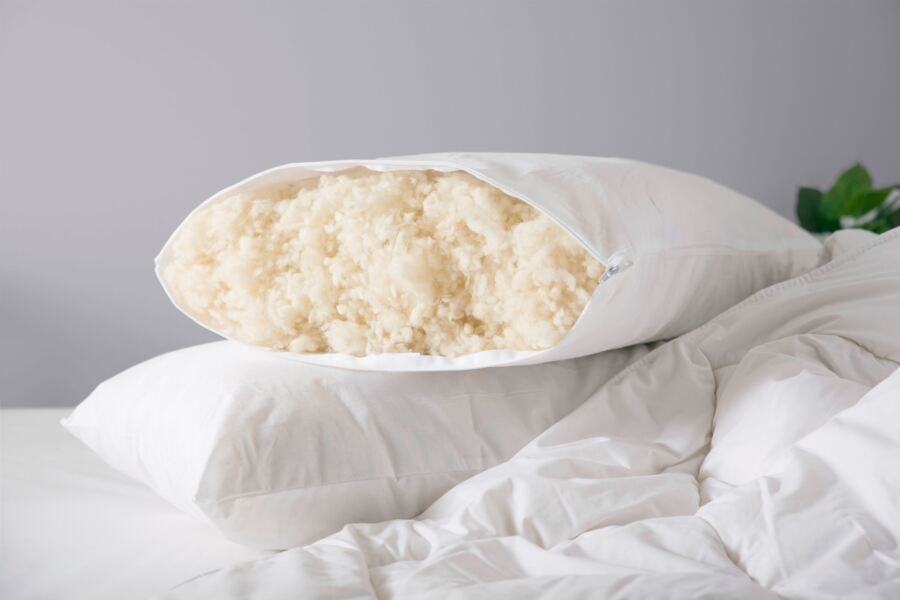
Belledorm's natural pillow range includes four fillings, each with a distinct feel and level of support. Goose down is the lightest and softest - a high-loft filling that creates a plush, yielding cushion suited to back and front sleepers. Duck down and feather provides more structure, with the feather content adding firmness and support that holds its shape well for side sleepers. 100% wool is the firmest option, with natural temperature regulation that wicks moisture away from the body and keeps you comfortable across all seasons. Mulberry silk is lightweight, smooth, and hypoallergenic, moulding gently to the shape of your head and neck. All natural pillows are available in the standard UK size of 48 × 74 cm and fit standard housewife and Oxford pillowcases.
»















 Got Natural Pillow Questions? We've Got Answers
Belledorm's natural pillow range includes four fillings: Mulberry silk, 100% wool, goose down, and duck down and feather. Each filling has a different feel, weight, and level of support. Goose down is the lightest and softest, creating a plush, yielding cushion. Duck down and feather blends are slightly firmer, with the feather content adding structure and support. 100% wool is the firmest natural option, with natural resilience that holds its loft well through the night. Mulberry silk is lightweight and smooth, moulding gently to the shape of your head and neck. All four are available in the standard UK pillow size of 48 × 74 cm.
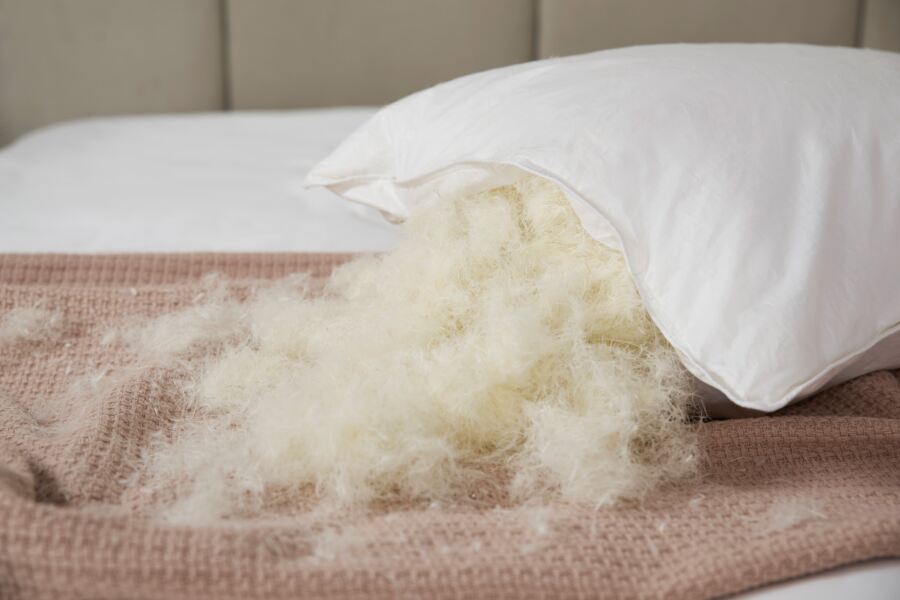
Goose down is filled primarily with down clusters - the soft, fluffy undercoat that traps air and creates a light, high-loft cushion. It is the softest and lightest natural pillow filling, with very little resistance when you rest your head on it. Duck down and feather uses a blend of smaller down clusters and feathers. The feather content gives the pillow more structure, weight, and firmness, so it holds its shape more noticeably than pure goose down. Duck down and feather suits sleepers who want a natural filling with more support, while goose down suits those who prefer a softer, more yielding feel.
Wool is the most effective natural filling for temperature regulation. It actively wicks moisture away from the body and releases it into the air, which helps keep you cool when warm and warm when cool. making it genuinely comfortable across all seasons. Silk has similar temperature-regulating properties and is lighter in weight, so it suits sleepers who want breathability without the firmer feel of wool. Goose down traps air effectively for warmth but can retain heat in warmer months, particularly for hot sleepers. Duck down and feather sits between the two. If temperature regulation is your primary concern, wool or silk are the stronger choices.
It depends on the filling. Mulberry silk and 100% wool are both naturally resistant to dust mites and mould, making them suitable for many allergy sufferers. Silk in particular creates an inhospitable environment for dust mites because of its smooth, tightly packed fibre structure. Goose down and duck down and feather are not recommended for people with feather or dust mite allergies, the natural down and feather can trigger reactions in sensitive individuals. If you have confirmed allergies to feather or down, a wool or silk natural pillow is the better option. For severe allergies, a synthetic microfibre pillow from Belledorm's separate range may be the most practical choice.
Side sleepers need a pillow with enough height and firmness to fill the gap between the head and mattress, keeping the neck aligned with the spine. 100% wool is the firmest option in Belledorm's natural range and holds its loft well through the night, making it the most supportive choice for side sleeping. Duck down and feather also provides good support, the feather content adds structure that prevents the pillow from compressing flat under the weight of a side sleeper's head. Goose down and silk are softer and may not provide enough height for side sleepers, though personal preference and mattress firmness both play a role.
Front sleepers need a soft, low-loft pillow that keeps the head as close to the mattress as possible, preventing the neck from being pushed upward into an unnatural angle. Goose down is the best natural option for front sleeping, it is soft, compressible, and moulds flat without creating excess height. Mulberry silk is similarly low in resistance and moulds gently. Wool and duck down and feather are firmer and higher in loft, which can push a front sleeper's head too far up and strain the neck. If you sleep on your front and find even a goose down pillow too high, sleeping without a pillow or with a very thin option may be more comfortable.
Care varies by filling. Wool pillows should be spot cleaned or professionally laundered, machine washing can cause the wool to felt, lose its structure, and clump unevenly. Silk pillows are best hand washed at 30°C or dry cleaned. Goose down and duck down and feather pillows can sometimes be machine washed on a delicate cycle at a low temperature, but must be tumble dried thoroughly, any residual dampness causes the filling to clump and can lead to musty odours. Always check the care label on your specific pillow before washing. For all natural fillings, airing the pillow regularly and using a pillow protector underneath your pillowcase will keep it fresher for longer between cleans.
Natural filled pillows generally last longer than synthetic alternatives. With proper care, a goose down or duck down and feather pillow can maintain its loft and comfort for two to four years. Wool pillows hold their structure well and can last a similar length of time, thanks to the natural resilience of wool fibres. Silk pillows are durable but may lose their shape slightly sooner if not properly cared for. The key indicator is support: if the pillow no longer springs back after being folded in half, or your head sinks noticeably further than it used to, the filling has compressed beyond its useful life and needs replacing.
Some natural fillings have a faint natural odour when first unpacked, particularly goose down and duck down and feather. This is normal and is caused by the natural oils present in the down and feather. The smell typically dissipates within a few days once the pillow is aired. Remove the pillow from its packaging and leave it in a well-ventilated room for 24 to 48 hours before use. Wool pillows may have a very mild lanolin scent when new, which also fades quickly. Silk pillows are the most neutral, they rarely have any noticeable smell out of the packaging.
Natural pillows cost more than synthetic microfibre, but the difference reflects genuine differences in feel, breathability, and longevity. Natural fillings regulate temperature more effectively than synthetic, which means fewer disruptions from overheating or clamminess during the night. Down and wool both maintain their loft and comfort for longer than microfibre, which tends to flatten and lose support more quickly. Silk is one of the gentlest materials against skin and hair. If sleep quality, comfort, and a longer replacement cycle matter to you, a natural pillow is a worthwhile investment. If easy care and affordability are the priority, synthetic microfibre is the more practical option.