

 Platinum trusted service award
Spring Duvets
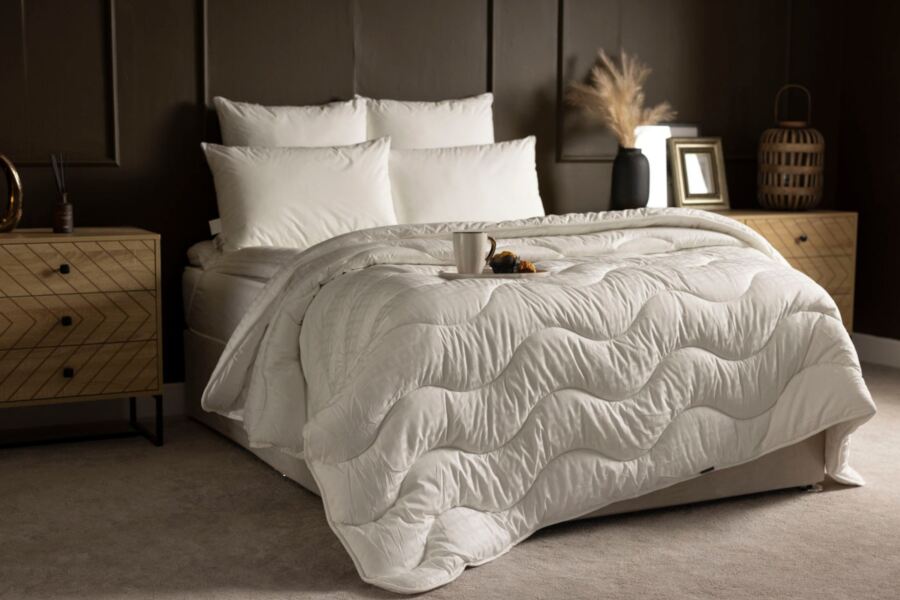
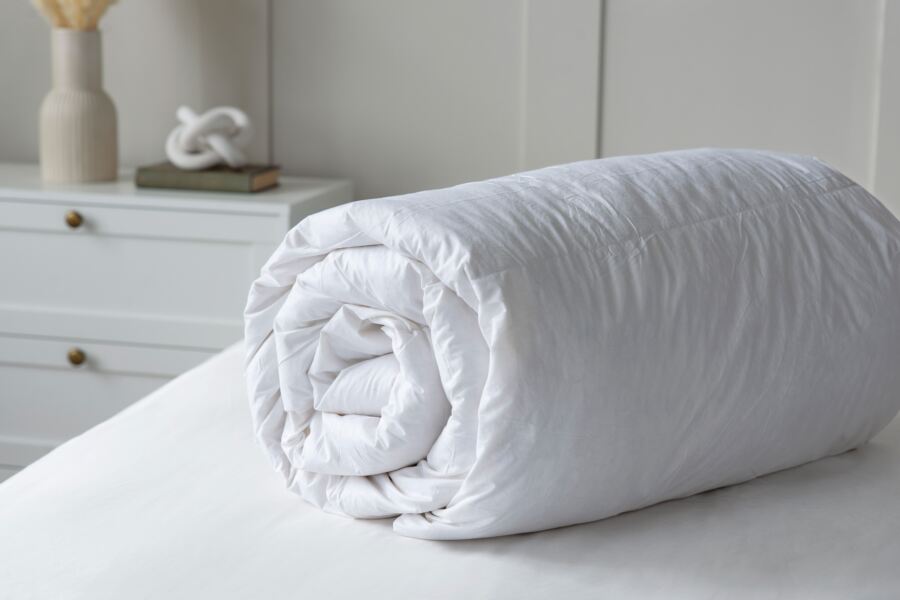
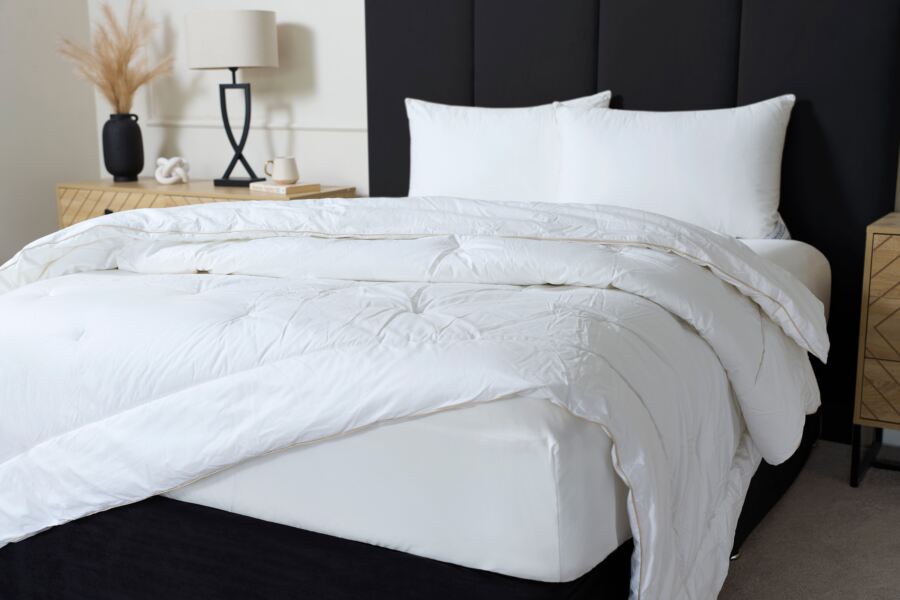
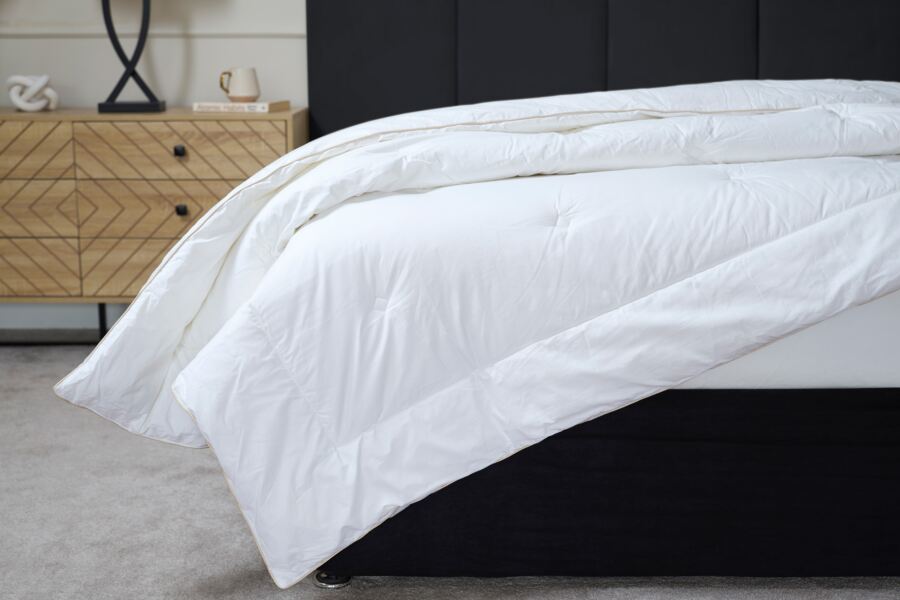
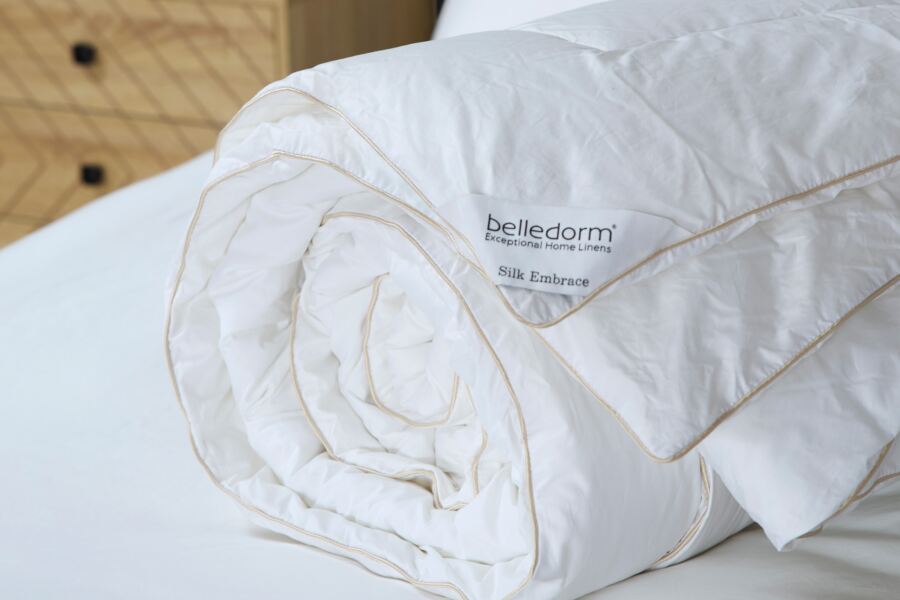
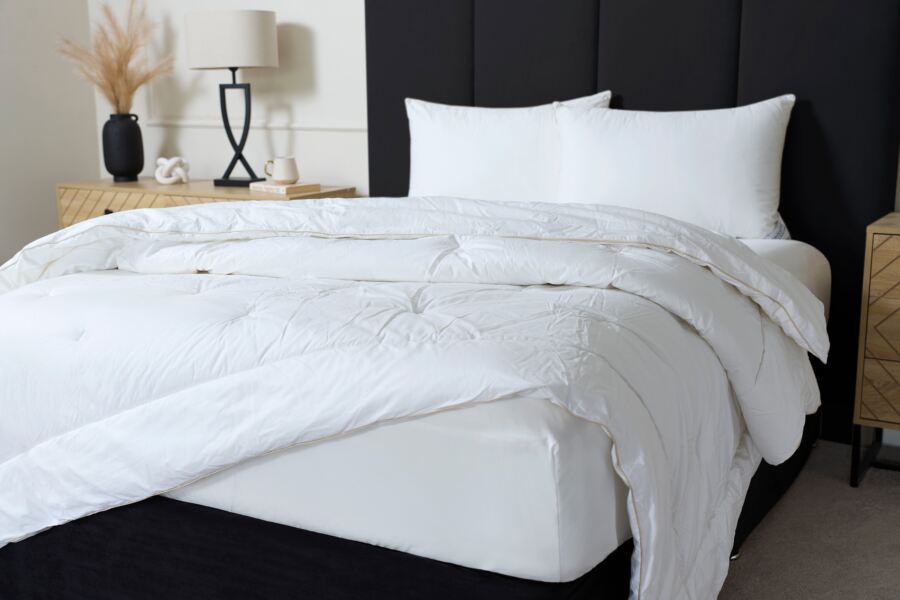
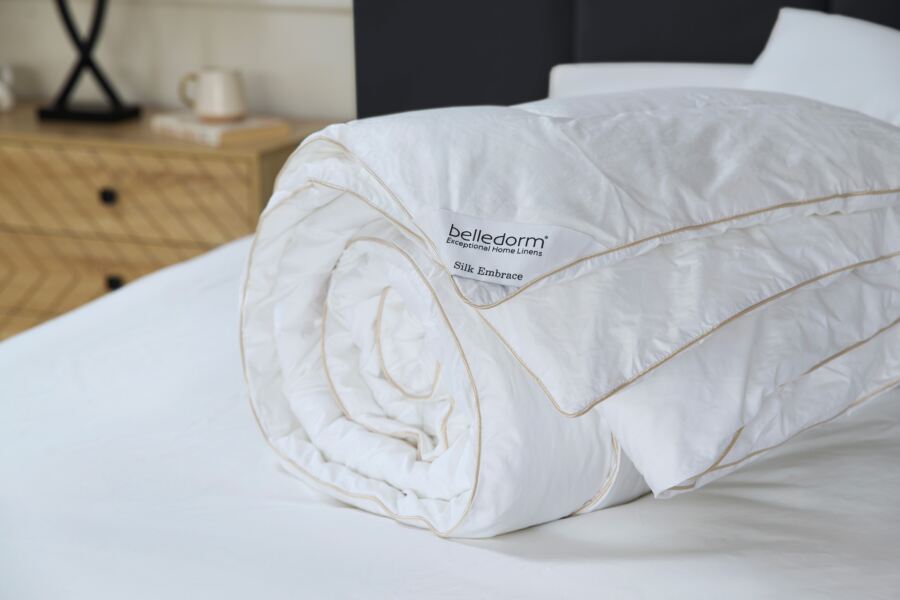
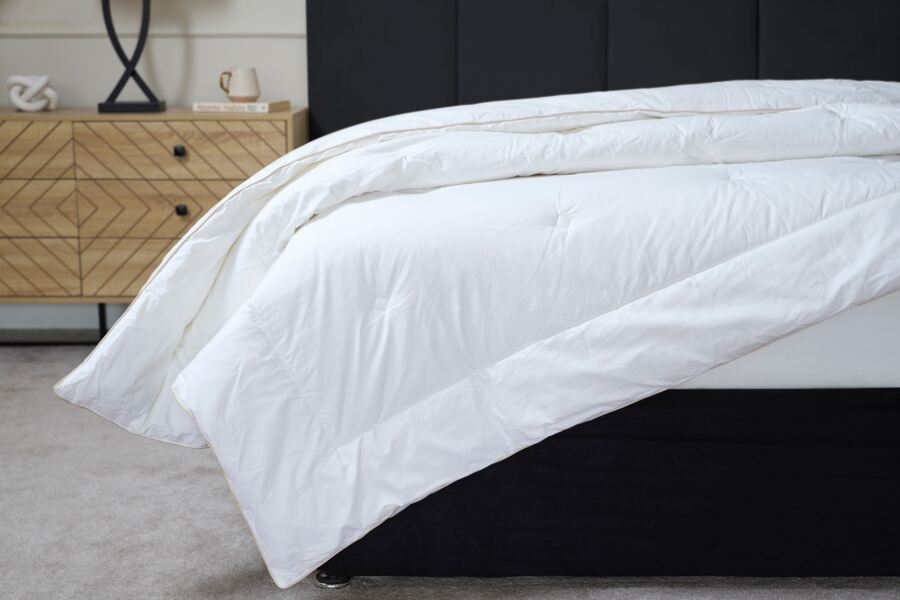
A spring duvet at 10.5 tog gives you the right balance of warmth and breathability for UK nights between March and May - enough insulation to sleep comfortably as temperatures climb, without the weight of a winter duvet. Belledorm's spring duvets are available in natural fillings including white goose down, goose feather and down, wool, and Mulberry silk, as well as a hypoallergenic microfibre option that is fully machine washable. All fillings are available in sizes from single to emperor. If you tend to overheat or your bedroom warms up quickly, a 4.5 tog summer duvet may suit you from mid-April onwards - but for most sleepers, 10.5 tog covers the full spring season comfortably.
»
















 Got Spring Duvet Questions? We've Got Answers
A 10.5 tog duvet is the most suitable weight for spring in the UK. Spring nights can still feel cool, particularly in March and April, so you need enough warmth to sleep comfortably without overheating as temperatures begin to rise. A 10.5 tog provides a mid-weight layer that works well when bedroom temperatures sit between around 15°C and 19°C. If your home warms up quickly or you tend to sleep hot, you may find a 4.5 tog more comfortable from mid-April onwards. Belledorm's spring duvets are available in 10.5 tog across all sizes, from single to emperor, in both natural and synthetic fillings.
Most people in the UK switch from a winter duvet to a spring weight between late March and mid-April, once overnight temperatures begin to climb consistently above 8–10°C outside. A good indicator is how you feel when you wake up, if you are regularly throwing the duvet off during the night or waking up feeling too warm, it is time to move to a lighter tog. Switching from a 13.5 tog winter duvet to a 10.5 tog spring duvet reduces the insulation without removing it entirely, which suits the unpredictable temperature swings that are typical of UK springs. You can always layer a light throw on top for the occasional cold night.
The main differences are in feel, weight, temperature regulation, and care. Natural fillings, such as goose down, goose feather and down, wool, and silk, tend to be lighter for the same warmth level, regulate body temperature more effectively, and have a softer drape. They suit sleepers who prefer a duvet that moulds closely around the body. Synthetic fillings, typically microfibre, are hypoallergenic, machine washable at higher temperatures, quicker to dry, and more affordable. They are a practical choice for allergy sufferers, children's beds, or guest rooms. Belledorm's spring duvets are available in both natural and synthetic options across all sizes.
A synthetic microfibre spring duvet is the most practical choice for allergy sufferers. Microfibre does not harbour dust mites as readily as natural fillings and can be machine washed at 40°C or higher, which kills dust mites and removes allergens more effectively than lower-temperature washes. Belledorm's microfibre duvets are fully hypoallergenic and box-quilted to prevent the filling from shifting. If you prefer a natural filling, wool and silk are both naturally resistant to dust mites and mould, wool wicks moisture away from the body, which creates a drier sleeping environment that is less hospitable to allergens. Always use a duvet protector underneath your duvet cover for an additional barrier.
For most people in the UK, a 10.5 tog duvet provides comfortable warmth throughout March, April, and May. In early spring, when nights are still cool, it gives enough insulation to keep you warm without the heaviness of a winter duvet. By late May, as temperatures rise, some sleepers may find 10.5 tog slightly too warm, particularly in south-facing bedrooms or homes that retain heat. If that happens, switching to a 4.5 tog summer duvet is the next step. Couples who share a bed generate more body heat together, so may find the transition to a lighter duvet comes earlier than for solo sleepers.
Belledorm spring duvets are available in single, double, king size, super king, and emperor. Standard UK duvet dimensions are: single 135 × 200 cm, double 200 × 200 cm, king size 230 × 220 cm, super king 260 × 220 cm, and emperor 290 × 235 cm. Choose the size that matches your duvet cover rather than your bed frame, a king size bed, for example, can take either a king or super king duvet depending on how much overhang you prefer at the sides. All sizes are available in both natural and synthetic fillings at 10.5 tog.
A 10.5 tog duvet works well for spring and autumn, and some people use it through winter in well-heated homes. It is the most popular year-round choice for sleepers who keep their bedroom temperature between 17°C and 20°C. In the height of summer, however, most people find 10.5 tog too warm, particularly during heatwaves or in bedrooms without good ventilation. If you want a single duvet for as much of the year as possible, 10.5 tog is the most versatile option. For full year-round flexibility, pairing a 4.5 tog summer duvet with a 10.5 tog gives you two weights that can be used separately or combined for the coldest winter nights.
Synthetic microfibre spring duvets can be machine washed at 40°C on a gentle cycle using a large-capacity washing machine, a standard domestic drum may be too small for double and larger sizes, in which case a laundrette is a good alternative. Tumble dry on a low setting until fully dry to prevent dampness in the filling. Natural-filled duvets (goose down, feather and down, wool, silk) generally need a lower wash temperature or professional cleaning, always check the care label for your specific duvet. Airing your duvet regularly by hanging it over a line or draping it over a banister helps keep the filling fresh between washes.
A goose down duvet is filled primarily with down clusters, the soft, fluffy undercoat beneath the outer feathers. Down is extremely light and has a high warmth-to-weight ratio, so a goose down duvet feels noticeably lighter on the body while still providing effective insulation. A goose feather and down duvet uses a blend of both down clusters and feathers, which makes it slightly heavier and firmer in feel. Feathers provide more structure and support, so the duvet holds its loft well and drapes with a little more weight. Both are effective at regulating temperature in spring. Goose down is the lighter, more breathable option; feather and down offers a more substantial feel.
Store your winter duvet clean and fully dry in a breathable cotton storage bag or a large pillowcase. Avoid plastic bags or vacuum-sealed packs for natural-filled duvets, compressing down and feather for long periods can damage the clusters and reduce the duvet's loft when you take it out again. Synthetic duvets are more tolerant of compression, but a breathable bag is still preferable. Keep the bag in a cool, dry place such as a wardrobe shelf or the top of a cupboard, avoid lofts or garages where temperature fluctuations and damp can affect the filling. Give the duvet a good shake and air it for a few hours before using it again in autumn.