 Platinum trusted service award
Table of Contents
- What Makes Bed Sheets Warm?
- The Best Sheets for Someone Who is Always Cold
- What Else Helps You Stay Warm at Night?
- What to Consider When Buying Warm Sheets
- FAQs
- Closing Thoughts
If you find yourself piling on the layers, tucking your feet under the duvet, or waking up shivering in the early hours, your bed sheets could be working against you. While duvets and blankets often get most of the attention when it comes to warmth, sheets also play a big role in how warm and comfortable you are at night.
If you're a "cold sleeper," you should prioritise several factors when buying sheets, including fabric, weave, and breathability. In this guide, we'll outline some of the best bedding options for maintaining a cosy body temperature, which goes hand in hand with getting a restful sleep.

What Makes Bed Sheets Warm?
In most cases, it boils down to how well a certain material traps body heat while still allowing enough airflow to prevent discomfort.
The warmest bed sheets tend to:
-
Have a denser weave or brushed finish
-
Create small air pockets that hold warm air close to the body
-
Feel cosy to the touch rather than crisp or cool
-
Work well as part of a layered bedding setup
The Best Sheets for Someone Who is Always Cold
Now, let's dive into the best sheet materials for cold sleepers. You'll find that there are plenty of great options worth considering.
Cotton sheets
Cotton is one of the most popular bedding materials in the UK, but not all cotton sheets have the same qualities. If you tend to get chilly at night, it's best to pay close attention to the weave and the finish.
Percale cotton has a crisp, matte finish and a loose weave. While this makes it breathable and fresh, it also allows heat to escape easily, which isn't ideal if you're prioritising warmth.
On the other hand, cotton sateen has a tighter weave and a silkier feel. This compact construction helps retain warmth, making it a better choice for cooler nights.
For maximum cosiness, look out for:
-
Brushed cotton: Characterised by its gently brushed fibres that create a soft, insulating surface.
-
Jersey cotton: Stretchy, T-shirt-like cotton that naturally traps warmth.
These two options offer the familiarity of cotton sheets with added comfort and heat retention.
Flannel sheets
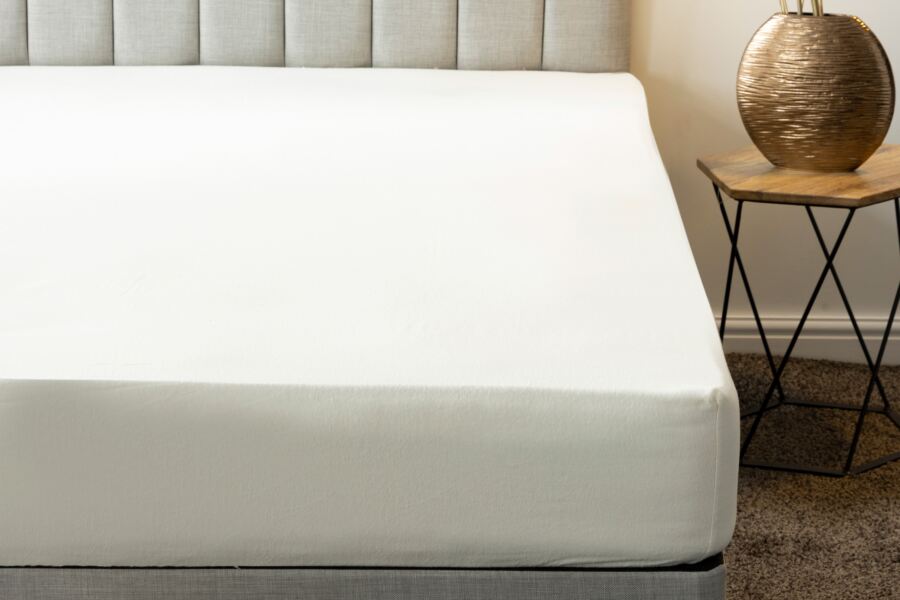
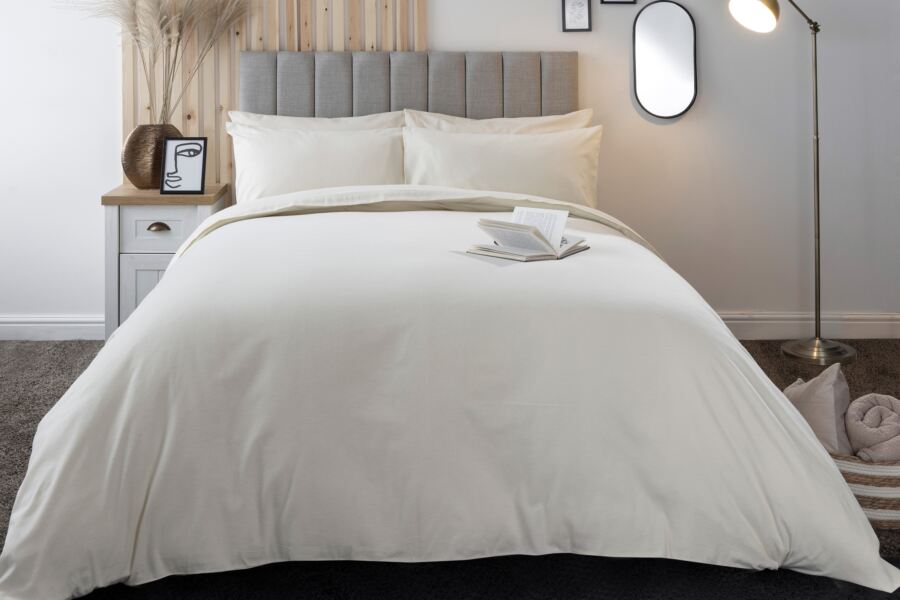
Flannel sheets are a classic winter favourite, especially for those who struggle to stay warm once temperatures drop. Typically made from cotton that has been brushed on one or both sides, flannel has a slightly fuzzy texture that's soft to the touch.
The brushed surface creates tiny air pockets that trap body heat, helping to maintain a consistent temperature throughout the night. This makes flannel sheets particularly appealing for:
-
Cold bedrooms
-
Older homes with draughts
-
Anyone who feels chilly as soon as they lie down
With that being said, flannel is very much a seasonal option. Even cold sleepers can feel uncomfortably warm when sleeping with flannel sheets in summer and spring.
Fleece sheets
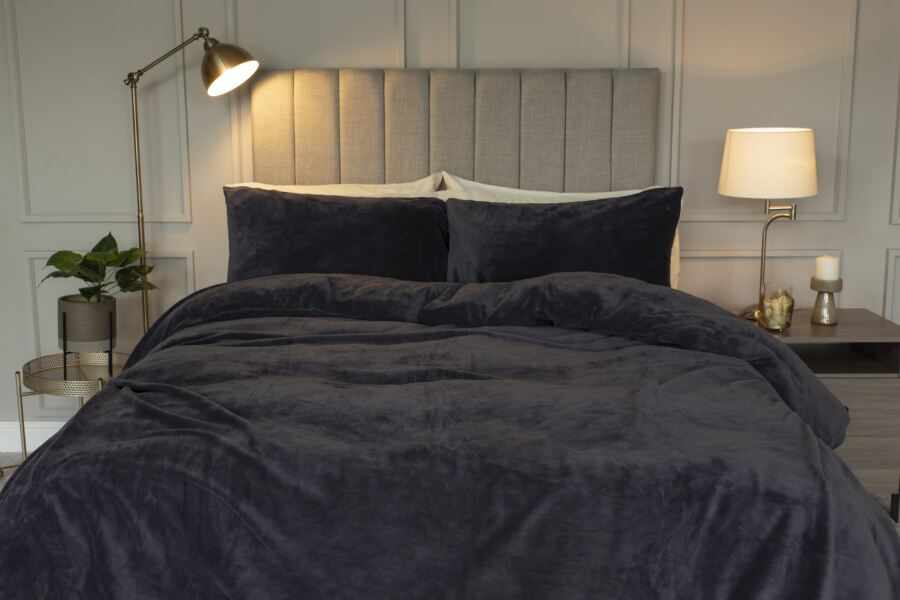
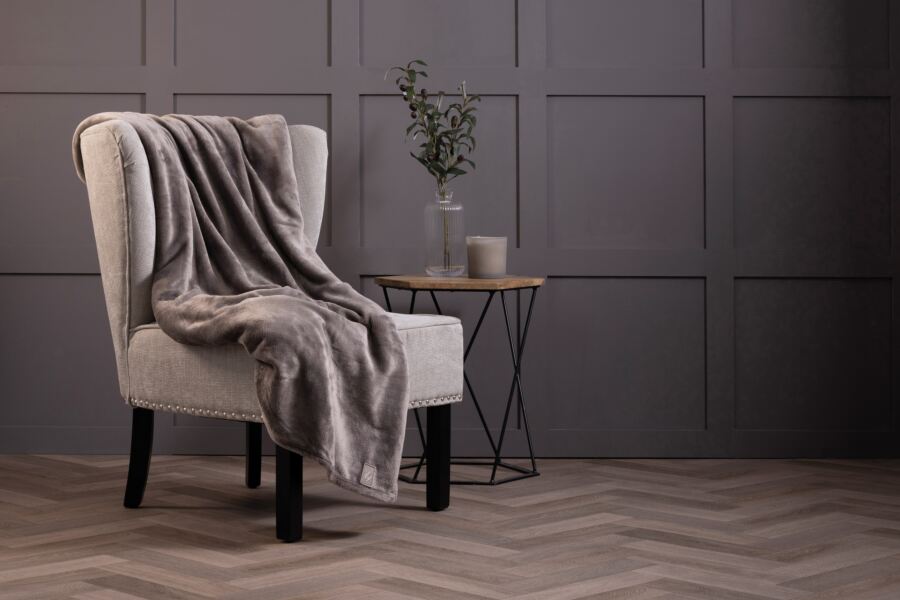
If warmth is your top priority, fleece sheets should be your top choice. Thick, soft, and insulating, they’re designed specifically to provide maximum heat retention on the coldest nights.
Fleece sheets are usually made from synthetic fibres, which means they’re:
-
Extremely warm
-
Soft and cosy against the skin
-
Quick to dry and easy to care for
However, this material is far less breathable than natural fabrics, so it's best reserved for winter use. Some people also prefer to incorporate fleece as an extra layer, such as a fleece blanket.
Bamboo sheets
Bamboo bedding is often associated with cooling properties, but it can also work well for cold sleepers thanks to its temperature-regulating qualities.
Rather than trapping excessive heat, bamboo helps maintain a balanced sleep temperature. This means it can keep you warm when it’s cold without causing you to overheat if temperatures fluctuate during the night.
Additional benefits of bamboo sheets include:
-
Naturally soft and smooth
-
Moisture-wicking
-
Suitable for sensitive skin
-
Ideal for year-round use
If you're looking for a set of sheets that adapts across seasons, bamboo is a versatile and practical option.
Linen sheets
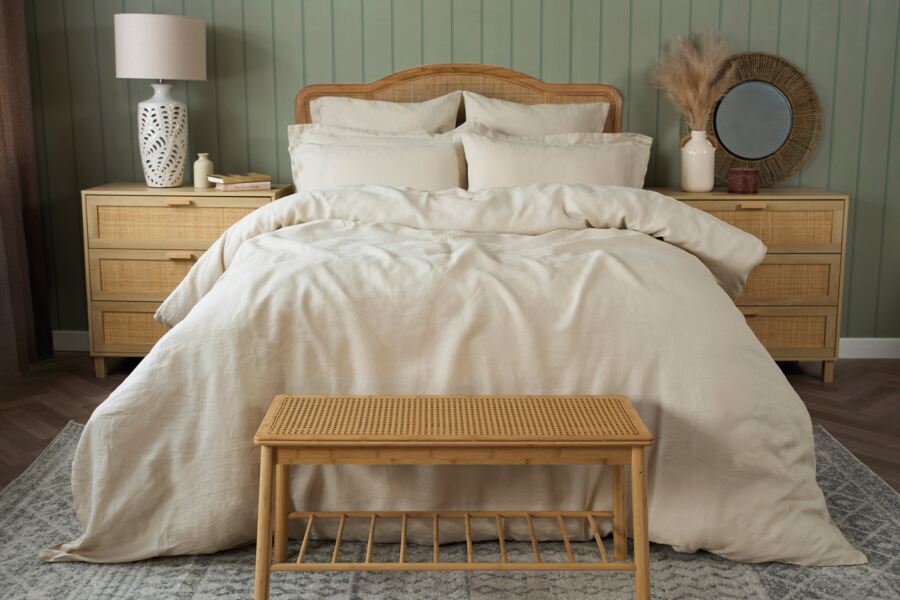
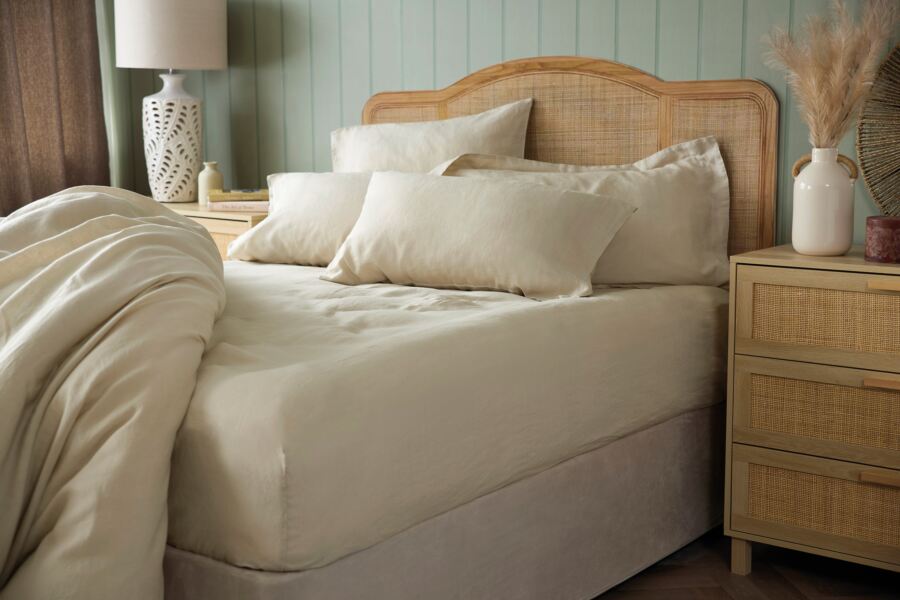
Linen is often thought of as a summer fabric, but it can be a great choice for colder sleepers when layered correctly. Made from flax fibres, linen is breathable yet naturally insulating, helping to regulate body temperature in both warm and cool conditions.
Linen sheets have the following properties:
-
Lightweight but durable
-
Excellent at temperature regulation
-
Suitable for year-round use
-
Get softer and warmer over time as the fibres relax
While linen won’t provide the immediate warmth of flannel or fleece, it’s an excellent long-term investment for those who want adaptable bedding that's suitable for every season.
Silk sheets
Made from natural protein fibres, silk has impressive insulating properties. It helps keep heat close to your body while still remaining lightweight and breathable.
Silk sheets are particularly well-suited to:
-
People who feel cold but dislike heavy bedding
-
Layered sleep setups with top sheets, fitted sheets, and duvets
-
Year-round use
These sheets are also gentle on skin and hair, adding a touch of luxury while supporting a comfortable night’s sleep.
What Else Helps You Stay Warm at Night?
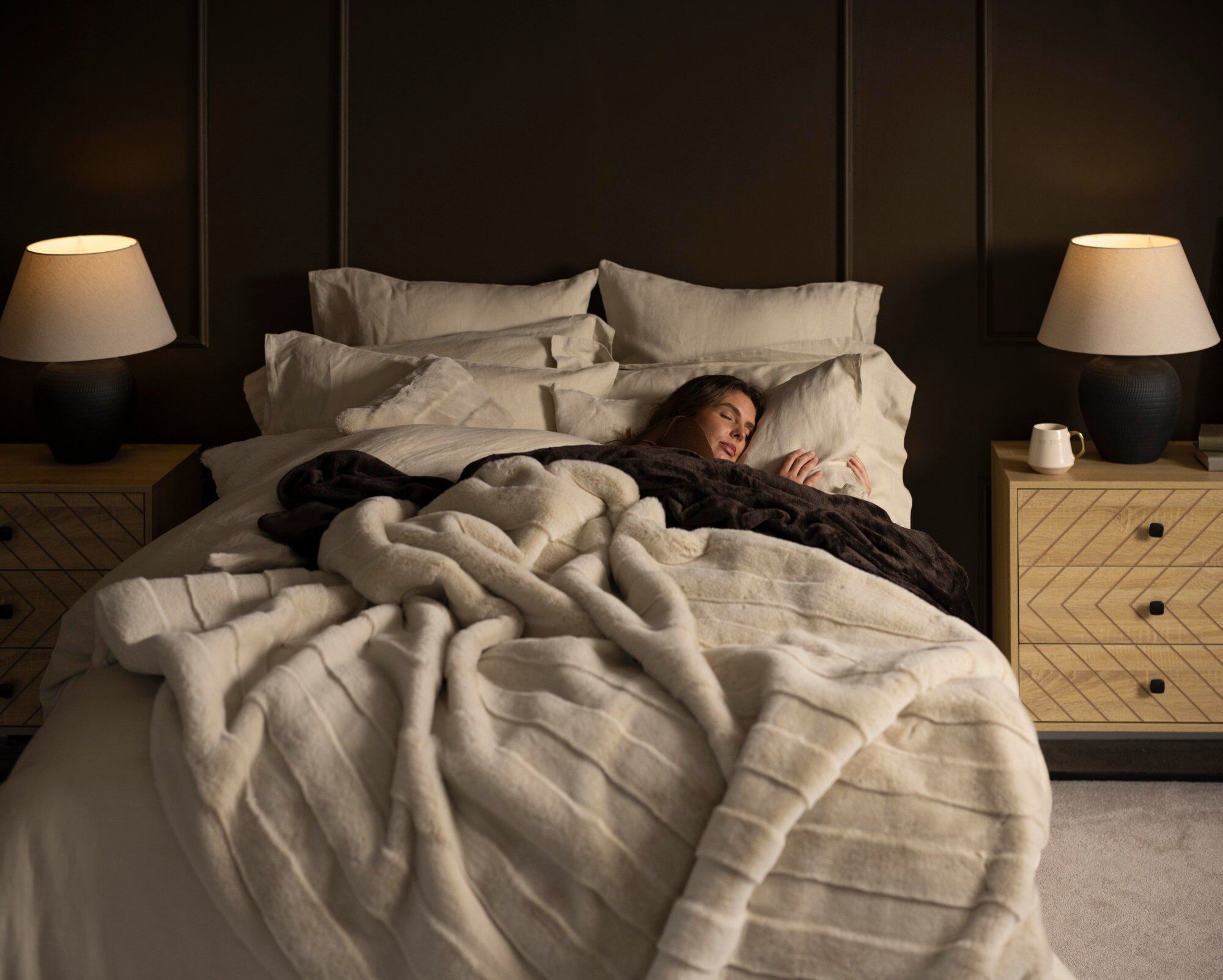
Even the warmest sheets work better when they are part of a complete bedding setup. If you’re always cold when getting into bed, consider:
-
Using a top sheet for an extra layer of insulation
-
Choosing a duvet with an appropriate tog rating
-
Adding blankets for adjustable warmth
-
Ensuring your bedroom isn’t overly draughty
Layering allows you to trap warmth without overheating, especially during long winter nights.
What to Consider When Buying Warm Sheets
Before you go out and buy the first cosy-looking sheets you come across, take time to evaluate these important factors:
Fabric
The fabric you choose plays the biggest role in how warm your sheets feel. Take the time to learn about the different properties of each material so you can choose a fabric that ticks all your boxes.
For those who want extra-warm sheets, brushed cotton, flannel, and fleece are particularly effective. This is mostly due to their raised fibres that help trap warm air close to the body.
Breathable fabrics can still work well for cold sleepers, as long as they regulate body temperature rather than allowing heat to escape too quickly.
Weave
Weave affects both the feel and thermal performance of your sheets. A tighter weave (such as sateen) tends to feel smoother and warmer, as it allows less air to pass through the fabric. Looser weaves like percale are crisp and breathable but don't retain heat well, especially on cold nights.
Some of the less-common types of weaves include twill, plain, and herringbone, each of which offers different properties and textures.
Durability
If you’re investing in warm bed sheets, durability is certainly worth considering. Higher-quality fabrics and well-constructed weaves are more likely to maintain their softness and insulating properties over time.
Sheets that pill, thin, or lose their finish can quickly become less effective at keeping you warm, especially when combined with frequent washing.
Budget
Warm sheets are available across a wide range of price points. While premium materials often offer better longevity and comfort, there are also affordable options that provide excellent insulation.
The key is balancing cost with quality, ensuring you choose sheets that meet your needs without compromising on comfort.
Seasonal versatility
If you prefer to use the same set of bedding throughout the year, look for sheets with good temperature-regulating properties.
Fabrics such as bamboo, silk, and linen can adapt well to seasonal changes, keeping you warm in winter while remaining cool and comfortable in the summer months.
FAQs
Why do my sheets feel so cold?
Sheets can feel cold due to the room temperature, fabric choice, or lack of insulation. Lightweight, breathable materials allow heat to escape quickly, while thicker sheets retain warmth more effectively.
What are the best sheets for hot sleepers?
The best cooling sheets are made from breathable materials, such as bamboo and cotton. Even if you're not typically a hot sleeper, these fabrics are an ideal choice for hot summer nights, as they offer airflow and wick sweat away.
What are the warmest bed sheets?
Fleece, flannel, and brushed cotton sheets are some of the warmest options available as they trap heat and feel cosy from the moment you get into bed.
Does thread count matter for warmth?
Thread count actually affects texture and durability more than warmth. The fabric type and weave are far more important when choosing sheets for cold sleepers.
Closing Thoughts
If you're always cold at night, investing in the right sheets can make a significant difference to your sleep quality. From cosy brushed cotton to soft bamboo, there's a diverse range of options designed to help you stay warm and comfortable.
By choosing materials that suit your sleeping habits (and layering thoughtfully), you can look forward to a snug sleeping experience. Not sure where to start? Check out Belledorm's range of high-quality sheets that cover every season and personal preference.