 Platinum trusted service award
Table of Contents
- The Foundation of Better Sleep
- The Science Behind Sleep Environment Design
- Colour Psychology for Sleep
- Texture: Creating Comfort Without Overstimulation
- The Art of Bedding Layering
- Practical Implementation: Creating Your Sleep Sanctuary
- Frequently Asked Questions
The Foundation of Better Sleep
A truly restorative night does not begin the moment you close your eyes. It starts with the atmosphere you step into at the end of the day. At Belledorm, we understand that your bedroom is more than just a functional space for sleeping; it is a sanctuary for physical and mental recovery.
Working alongside experts like The Sleep Charity, we have learned that the environment in which you sleep plays a pivotal role in sleep hygiene. It influences how quickly you drift off, the depth of your rest, and how energised you feel upon waking. If your bedroom feels chaotic, cluttered, or uncomfortable, your brain struggles to switch off.
Creating a sleep-friendly sanctuary is about curating a space that signals safety and relaxation to your nervous system. From the tactile sensation of high-quality cotton against your skin to the visual calm of your colour palette, every detail contributes to the quality of your slumber.

The Science Behind Sleep Environment Design
Our brains are biologically wired to respond to environmental cues. For thousands of years, humans have relied on sensory input to determine whether it is safe to rest. Today, elements such as light, temperature, noise, and texture continue to send powerful signals to our internal body clocks.
A poorly designed sleep environment can keep cortisol levels high, maintaining a state of alertness when you should be winding down. Conversely, a curated space triggers the parasympathetic nervous system, encouraging the "rest and digest" state necessary for deep sleep.
Key environmental factors include:
-
Visual Cues: Clutter and harsh lighting stimulate cognitive processing, making it difficult to clear the mind.
-
Thermal Comfort: The body needs to drop its core temperature to initiate sleep. Breathable fabrics and appropriate room temperature facilitate this thermoregulation.
-
Sensory Association: Over time, the brain builds a strong association between the bedroom and sleep. A consistent, calming environment reinforces this neural pathway.
By optimising these elements, you transform your bedroom from a simple room into a tool for better health.
Colour Psychology for Sleep
Colour is one of the most influential tools in interior design, yet its impact on sleep quality is often underestimated. The shades you choose for your walls and bed linen do more than look good; they have a measurable effect on your mood and physiological state.
Chromotherapy, or colour psychology, suggests that different wavelengths of light and colour can stimulate or inhibit hormone production. For a sleep sanctuary, the goal is to reduce visual "noise" and promote feelings of serenity.
Best Colours for Sleep
To cultivate a restful atmosphere, look to nature-inspired and low-saturation hues.
-
Soft Blues: As the colour of the sky and ocean, blue is universally perceived as calming. Studies suggest that specialized ganglion cells in our eyes are particularly sensitive to blue, and muted shades like duck egg or powder blue can help lower heart rates and blood pressure.
-
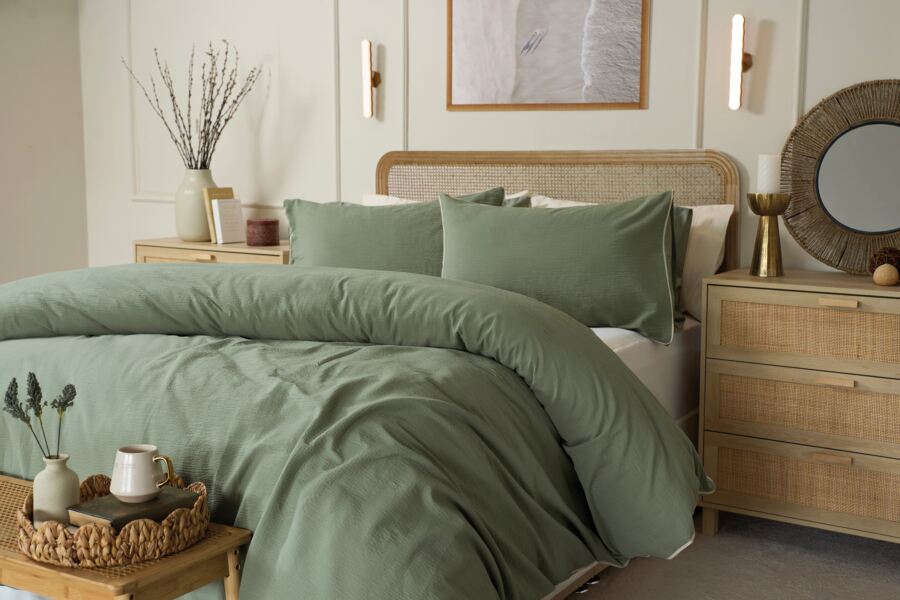
Restorative Greens: Green sits in the centre of the colour spectrum and requires very little adjustment for the human eye to process. Sage, moss, and eucalyptus tones evoke nature, promoting a sense of balance and restoration.
-
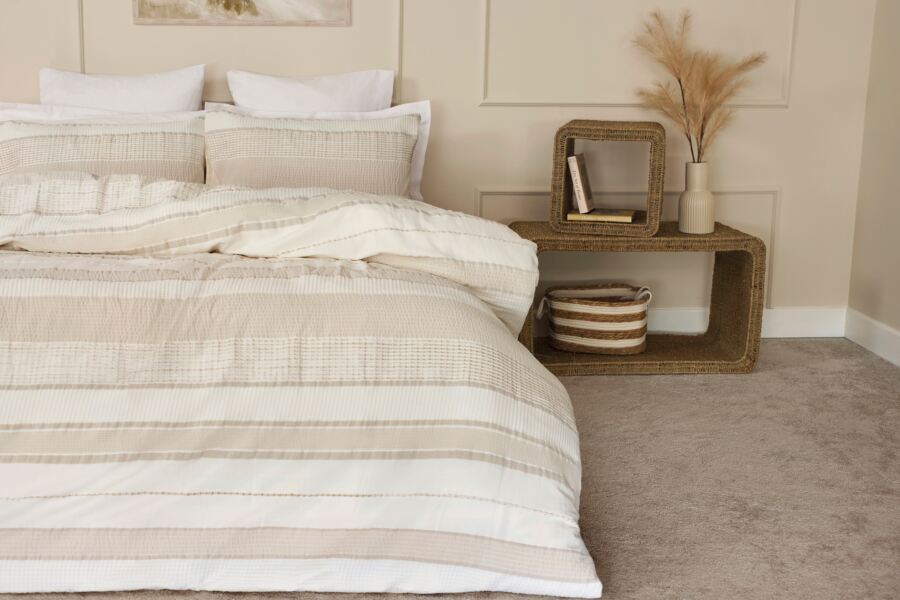
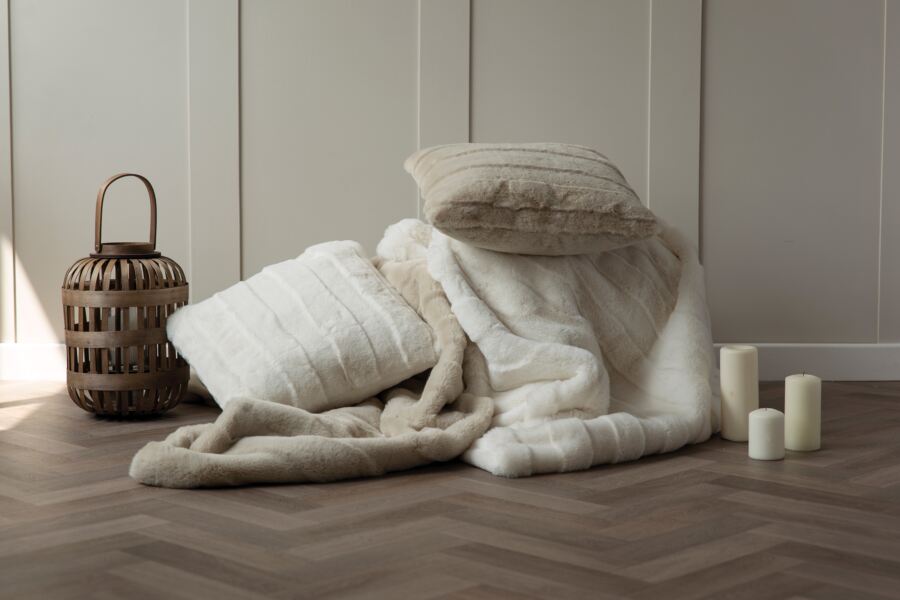
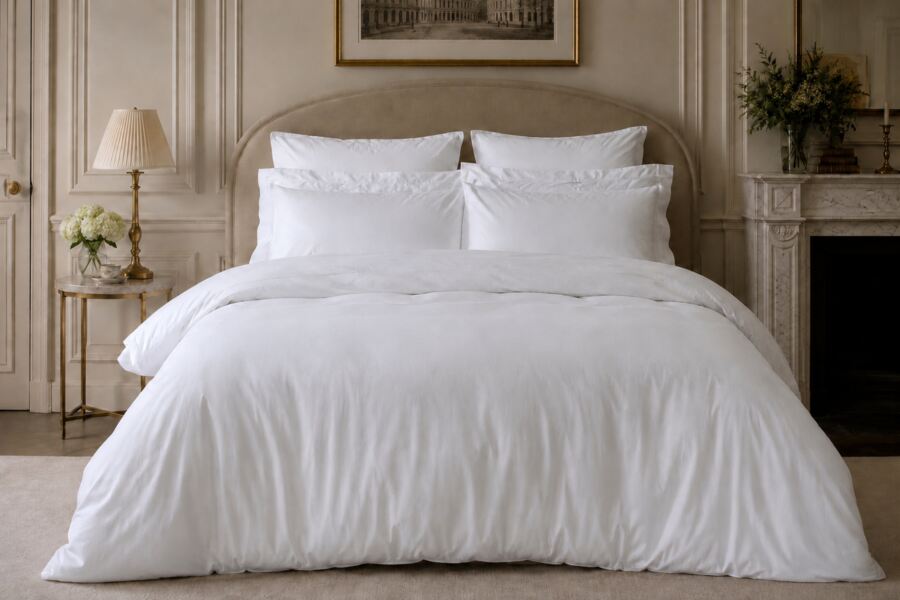
Warm Neutrals: Stark white can feel clinical and cold. Instead, opt for oatmeal, taupe, or warm stone. These shades create a "cocooning" effect that feels safe and enveloping without being visually demanding.
-
Muted Pastels: Gentle tones like blush pink, lavender, or lilac can be incredibly soothing. They add warmth and softness to a room without the stimulating energy of their brighter counterparts.

Strategic Colour Placement
You do not need to repaint your entire room to benefit from colour psychology. Strategic placement allows you to influence the mood effectively.
Walls:
Keep large surface areas muted. A soft, neutral backdrop provides a canvas of calm that allows your eyes to rest as you scan the room.
Bedding:
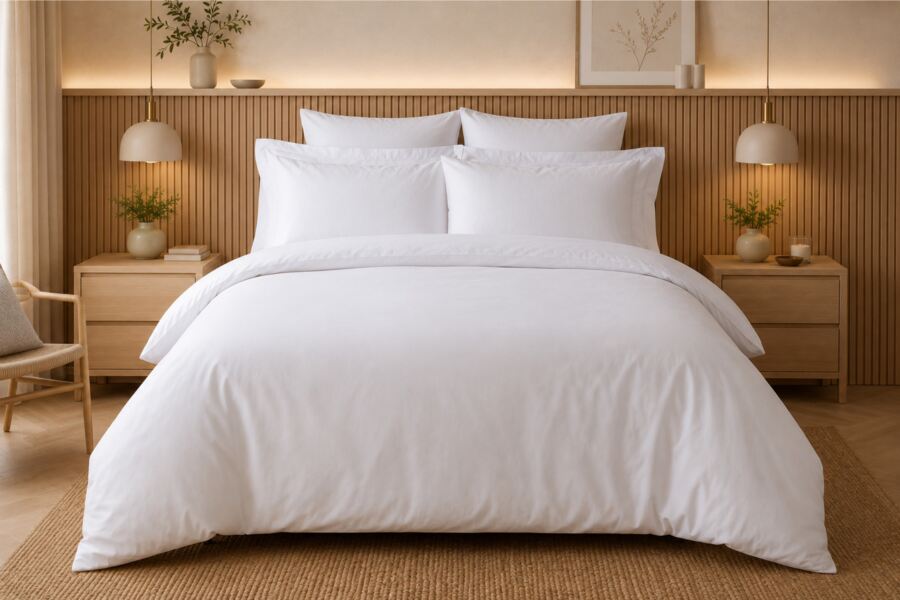
Your bed is the focal point of the sanctuary. This is the ideal place to introduce colour through duvet covers, pillowcases, and throws. A crisp white sheet paired with a sage green duvet cover offers a clean, inviting look. Alternatively, layering different shades of grey or beige adds depth and luxury.
Accents:
If you love vibrant colours like red or orange, keep them out of your direct eyeline when in bed. These high-energy colours are best reserved for other rooms or used very sparingly as small accents, as they can inadvertently increase alertness.
Texture: Creating Comfort Without Overstimulation
While colour appeals to the eyes, texture speaks to the body. The skin is our largest organ, and the tactile feedback it receives is crucial for relaxation. In a sleep sanctuary, texture provides depth and warmth without visual clutter.
The "hand feel" of your bedding, how it feels against your skin, is a matter of personal preference, but quality is non-negotiable. Rough, synthetic, or pilling fabrics can cause micro-irritations that disrupt sleep cycles, even if you don't fully wake up.
Key Textures for Sleep:
-
Cool and Crisp: For those who overheat, a percale weave offers a matte finish and a cool, crisp feel that promotes airflow.
-
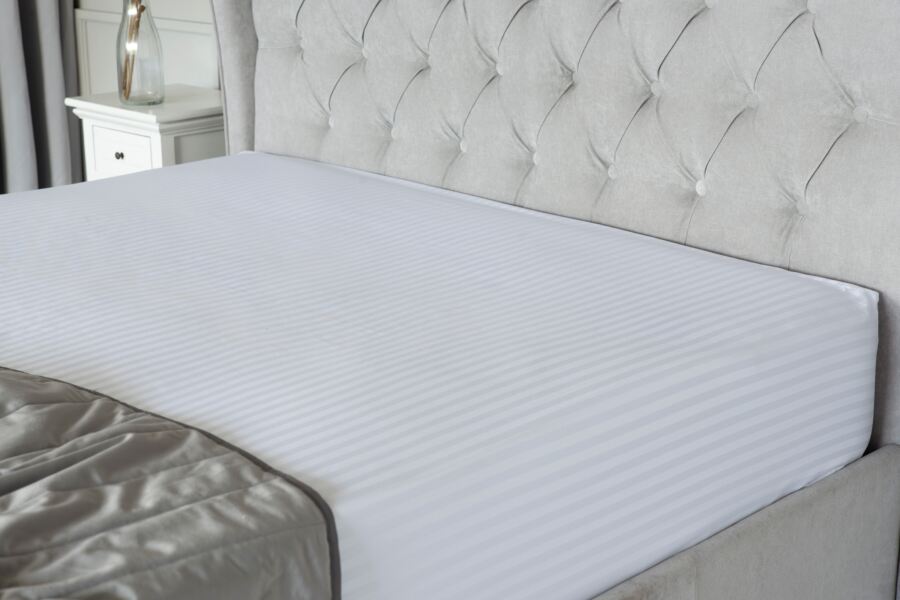
Silky and Smooth: A sateen weave exposes more of the thread surface, creating a buttery soft, silky texture that feels luxurious and warmer to the touch.
-
Natural Breathability: Always prioritise natural fibres like Egyptian Cotton, Pima Cotton, or Bamboo. These materials wick moisture away from the body, preventing the clamminess associated with synthetic blends.
-
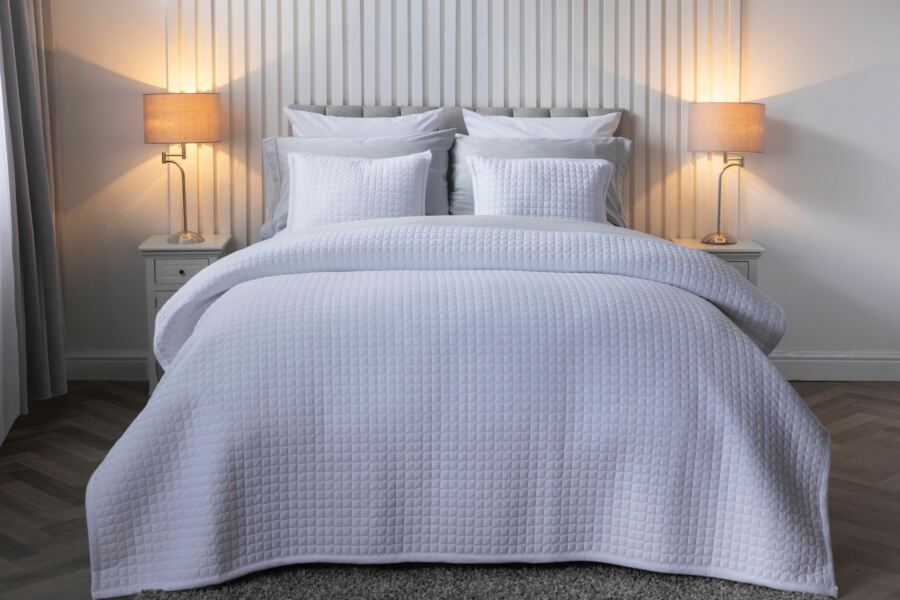
Visual Softness: Incorporate visual texture through accessories. A chunky knit throw, a quilted bedspread, or a velvet cushion adds a layer of visual warmth that makes the room feel inviting.
The Art of Bedding Layering
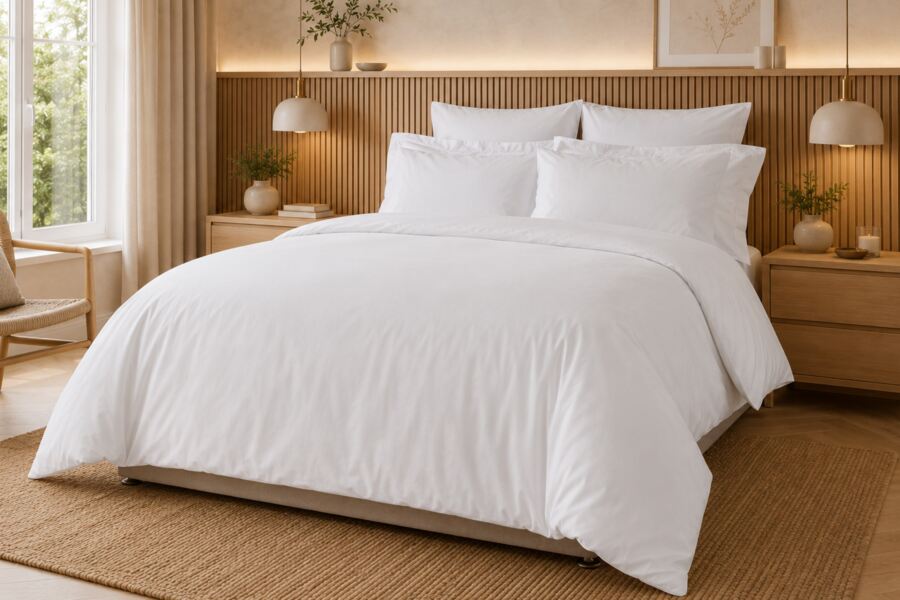
Layering is the secret to a bed that looks like a five-star hotel and functions perfectly for sleep. It allows for effortless temperature regulation throughout the night, which is essential for maintaining deep sleep cycles.
A single heavy duvet can often be too hot, leading to restless tossing and turning. A layered approach gives you options.
The Belledorm Layering Method:
-
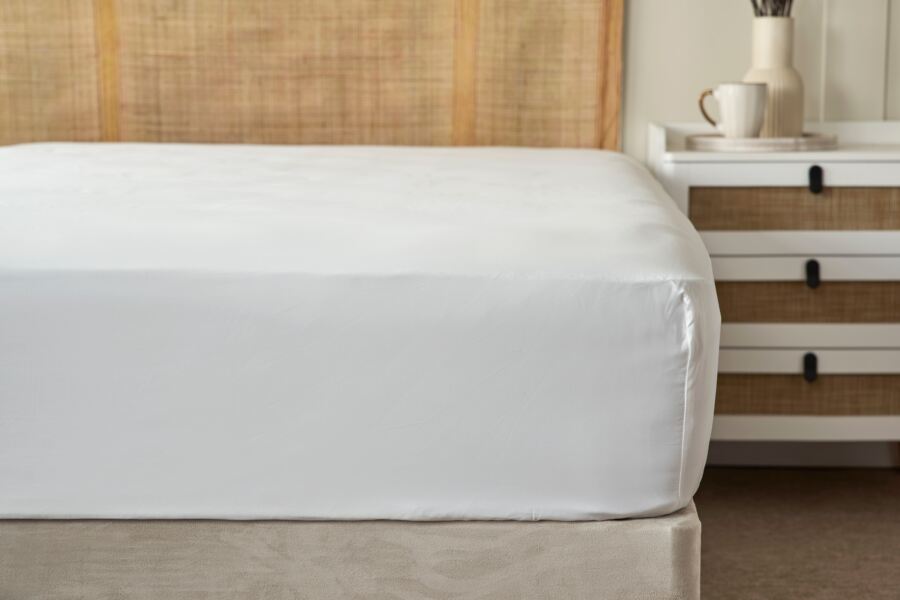
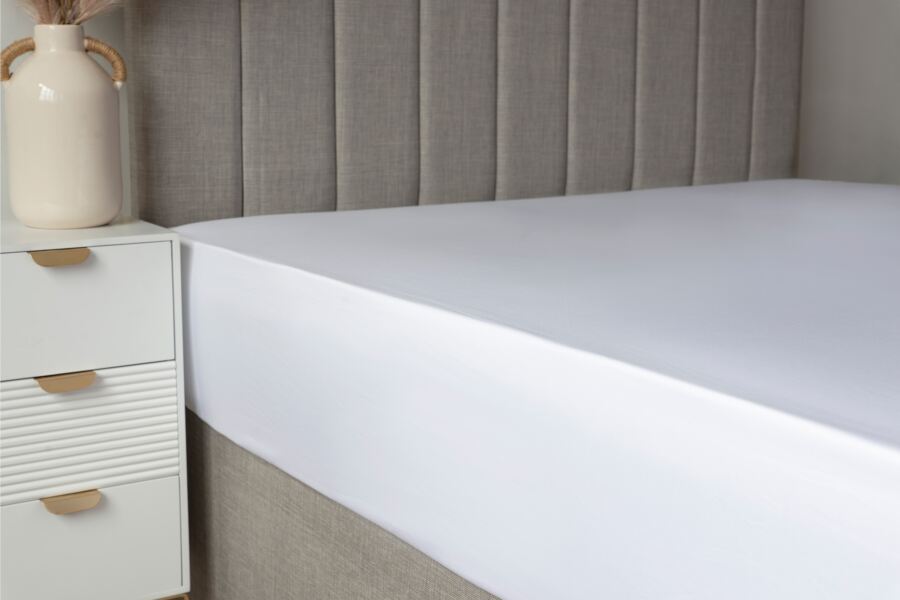
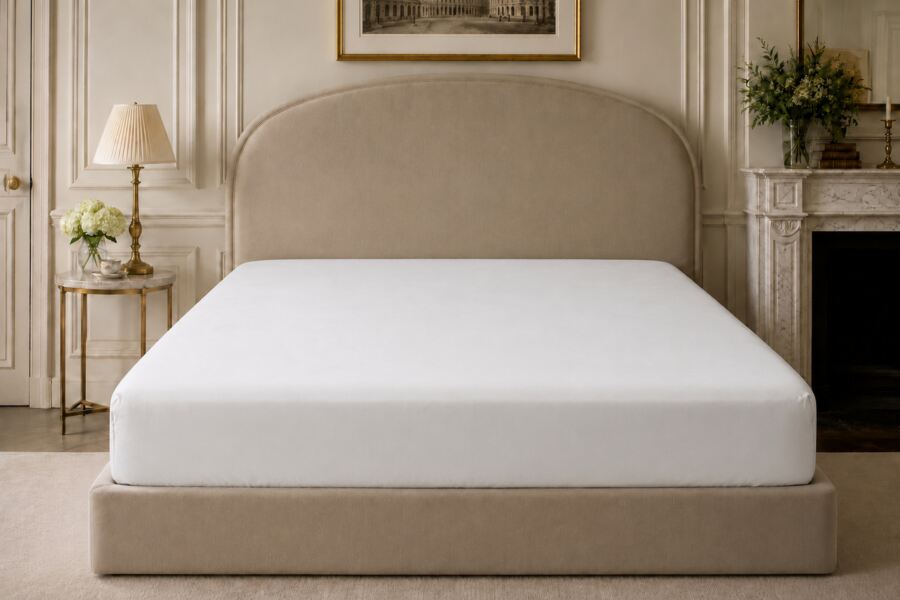
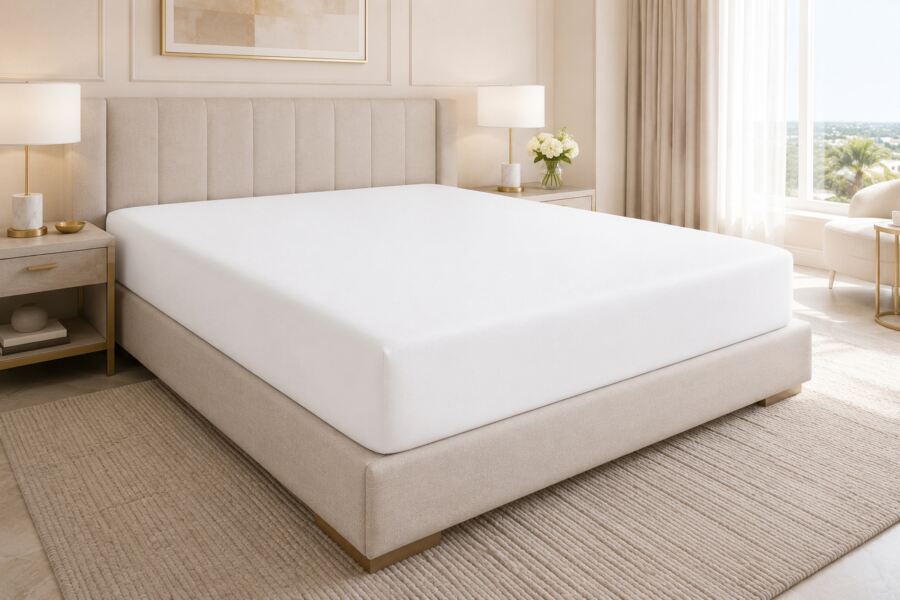
The Foundation: Start with a mattress protector to ensure hygiene and a fitted sheet that fits snugly. Choose a high thread count cotton for the ultimate smooth base.
-
The Top Sheet: Often skipped in modern bedding, the flat sheet is a game-changer. It adds a hygienic barrier between you and the duvet, and on warm nights, it can be used alone as a lightweight cover.
-
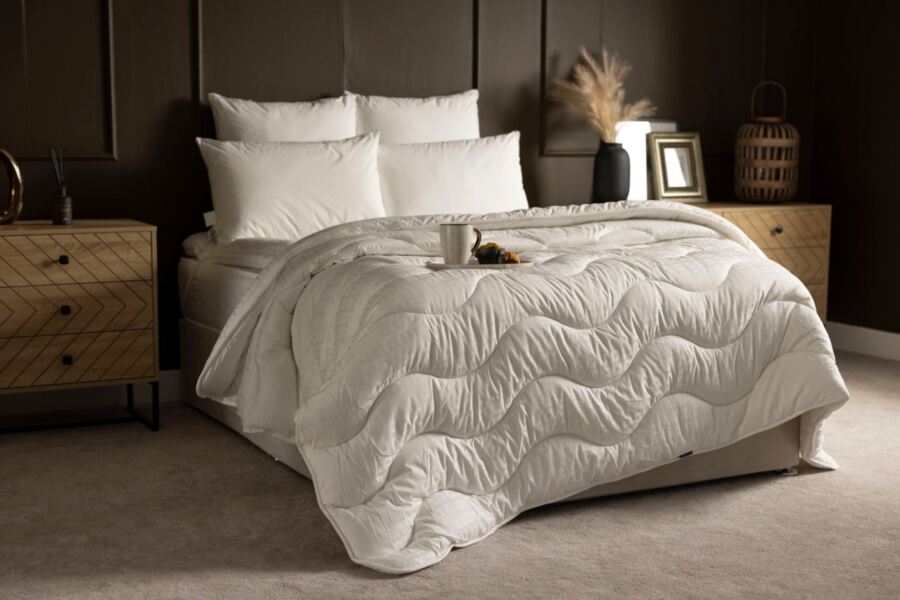
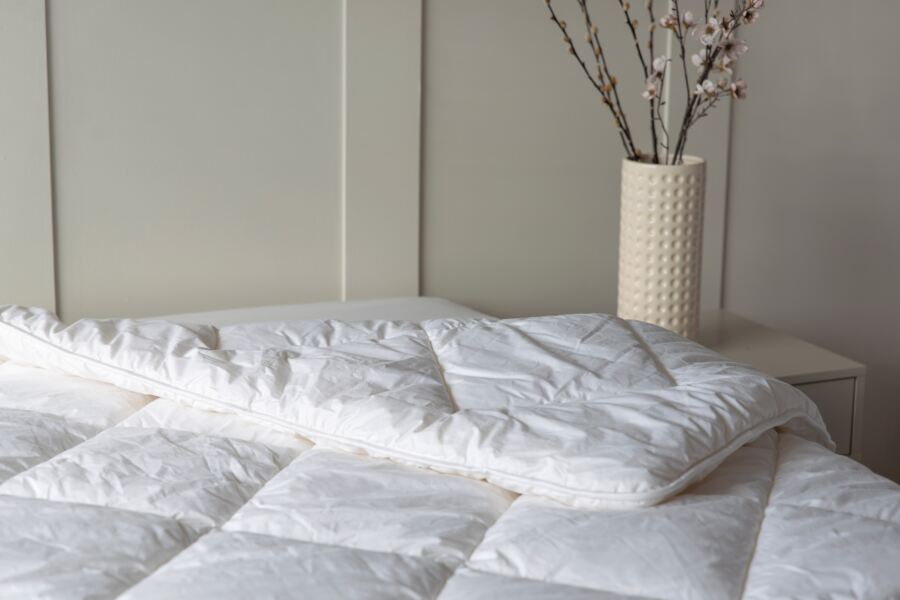
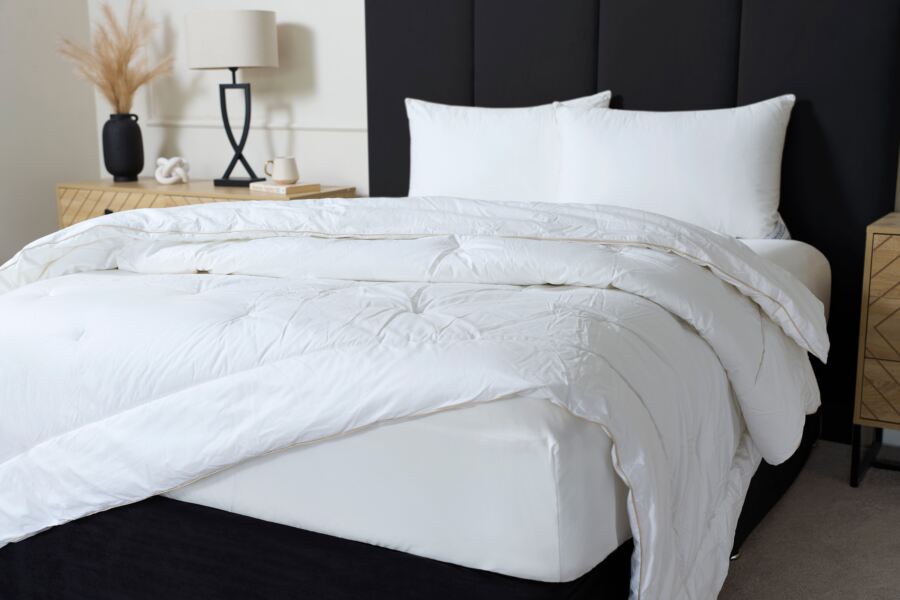
The Thermal Core: Select a duvet with a tog rating appropriate for the season. Natural fillings like wool or down regulate temperature brilliantly, while high-quality microfibre offers a hypoallergenic alternative.
-
The Versatile Top Layer: Finish with a bedspread, coverlet, or throw. This adds weight, which can be comforting for anxiety and provides an extra layer of warmth that can be easily pulled up or cast aside as needed.
Practical Implementation: Creating Your Sleep Sanctuary
Transforming your bedroom does not require a complete renovation. Small, thoughtful changes can yield significant improvements in your sleep quality.
Start by assessing your current setup. Does your bedding feel scratchy? Is the room too stark? Begin with the basics: invest in high-quality, breathable linens that feel good against your skin. Introduce calming colours through a new duvet set or a throw. declutter your bedside table to reduce visual stress.
Remember, your bedroom should be a space where you feel completely at ease. It is not about achieving a showroom aesthetic, but about creating an environment that supports your physical and emotional wellbeing.
At Belledorm, we believe that when you care for your sleep environment, it cares for you in return. A calm room leads to a calm mind, and a calm mind is the gateway to a good night's sleep.
Frequently Asked Questions
Why does sleep environment matter?
Your bedroom environment directly influences how quickly you fall asleep, sleep depth, and morning energy levels. Poor conditions keep cortisol high and your brain alert, while a curated space triggers your parasympathetic nervous system for deep, restorative rest.
What are the best colors for sleep?
Soft blues, restorative greens, warm neutrals (oatmeal, taupe), and muted pastels (lavender, blush pink) promote relaxation. Avoid bright, high-energy colors like red or orange near your bed, as they increase alertness.
How does texture affect sleep quality?
Quality textures provide comfort without overstimulation. Natural fibers like Egyptian cotton or bamboo wick moisture away and prevent sleep disruption, while rough or synthetic fabrics cause micro-irritations that disturb sleep cycles.
What's the best bedding layering approach?
Layer a fitted sheet, flat sheet, seasonally-appropriate duvet, and a top throw or bedspread. This allows temperature regulation throughout the night and prevents restless tossing caused by single heavy duvets.
How do I start creating a sleep sanctuary?
Begin with high-quality, breathable linens that feel good against your skin. Introduce calming colors through a new duvet or throw, and declutter your bedside table to reduce visual stress.