 Platinum trusted service award
Table of Contents
- The Power of the Right Pillow
- Understanding Your Sleep Needs
- Pillows for Pain Management
- Cooling Solutions for Hot Sleepers and Menopause
- Anti-Snore Pillows and Sleep Apnoea
- Age-Specific Pillow Recommendations
- Conclusion: Make Your Pillow Upgrade Your 2026 Resolution
- Frequently Asked Questions
The Power of the Right Pillow
As we settle into 2026, many of us have pledged to prioritise our health and wellbeing. While diet and exercise often top the list of resolutions, the foundation of a healthy lifestyle is actually quality sleep. If you are waking up feeling tired, stiff, or restless, the solution might be simpler than you think.
It is often said that you should never skimp on things that separate you from the ground: shoes, tyres, and your bed. Yet, the humble pillow is frequently overlooked. A lack of quality sleep takes a significant toll on your daily life, but upgrading your pillow can be a transformative step toward better rest.
At Belledorm, we believe that a good day starts the night before. Whether you are dealing with specific aches, navigating temperature changes, or simply seeking that 'just right' feeling, finding the perfect pillow is an investment in your long-term health. Let us guide you through making the right choice for a restful year ahead.
Understanding Your Sleep Needs
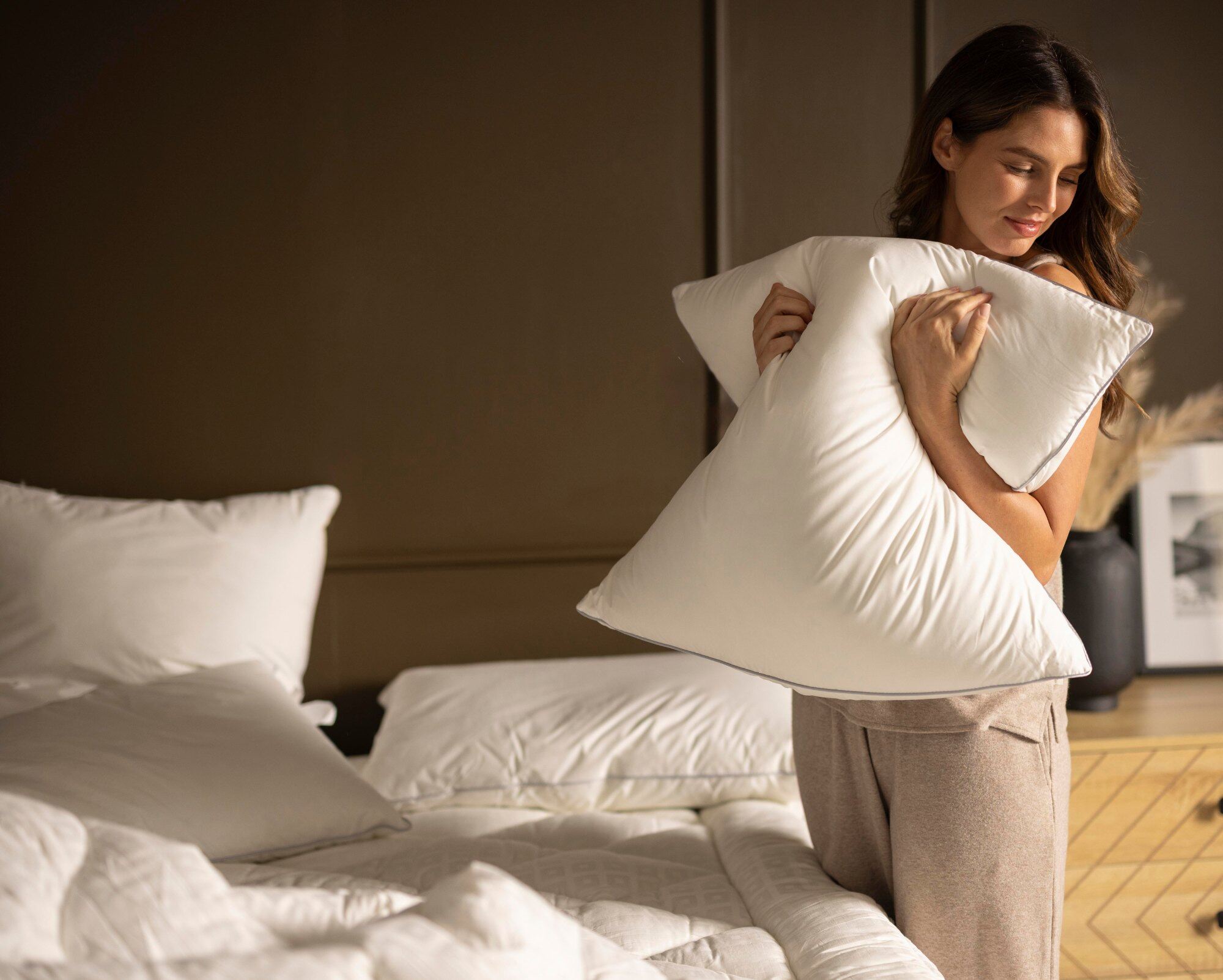
Sleep is not a one-size-fits-all experience. Different life stages, sleeping styles, and health requirements demand different levels of support, cooling, and adjustability. What works for your partner may not work for you, and what worked for you five years ago might need adjusting today.
The primary function of a pillow is to keep your head in 'neutral alignment'. This means your head should sit squarely on your shoulders without being pushed too far forward or tilting too far back. Achieving this depends heavily on your body shape and your preferred sleeping position.
By understanding the mechanics of your sleep, you can select bedding that actively works to improve your rest, rather than just being a place to lay your head.
Pillows for Pain Management
Waking up with a stiff neck or aching lower back is often a sign that your spine is being twisted or unsupported during the night. The right pillow acts as a bridge, filling the gap between your head and the mattress to maintain a straight spine.
Solutions for Back and Shoulder Pain
If you suffer from back or shoulder pain, sleeping on your back is generally recommended by experts to distribute weight evenly. However, the pillow you choose is crucial. You require a pillow of medium thickness, often referred to by sleep experts as 'loft height' to keep your head level with your spine.
Memory foam pillows are an excellent choice here. They contour to the unique shape of your neck and head, providing consistent support that cushions aching muscles without pushing your head too far forward.
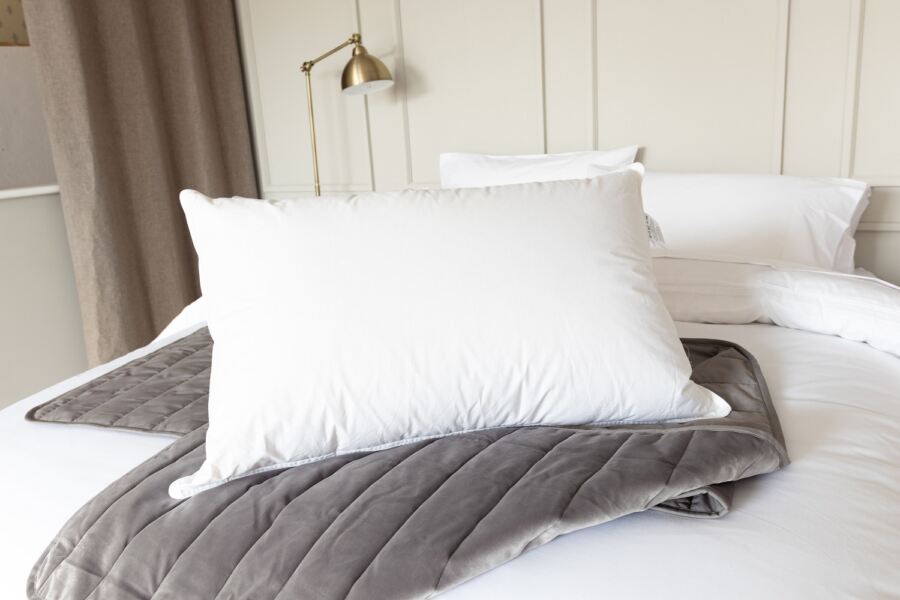
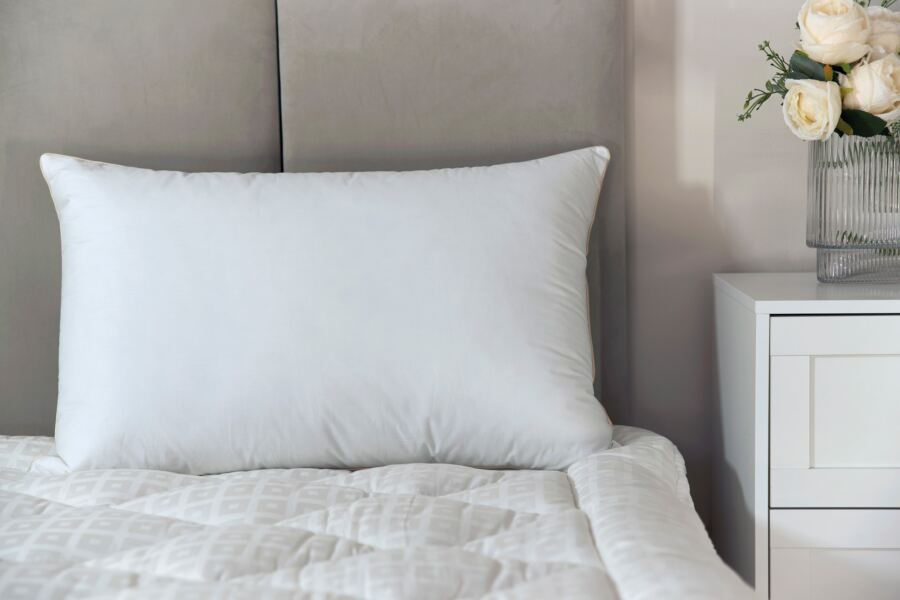
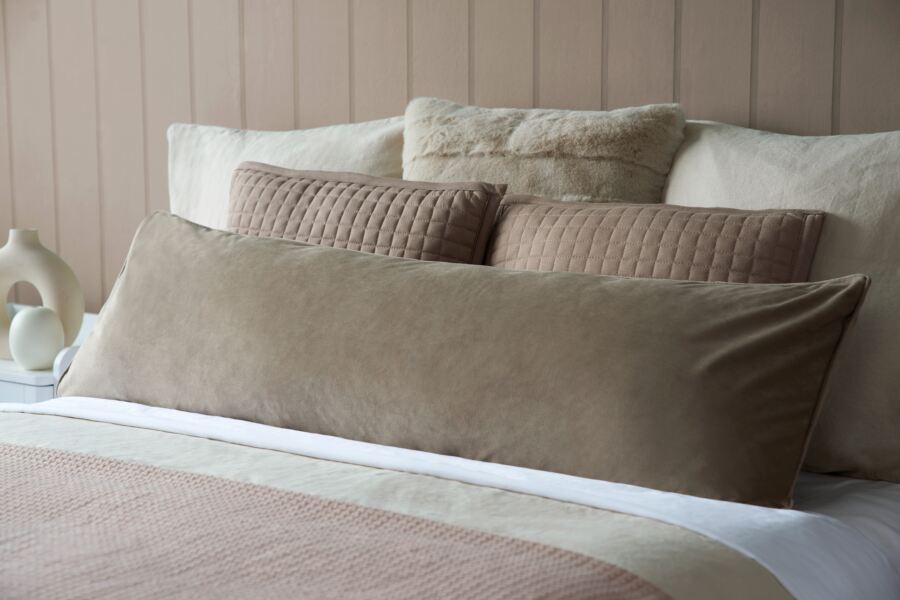
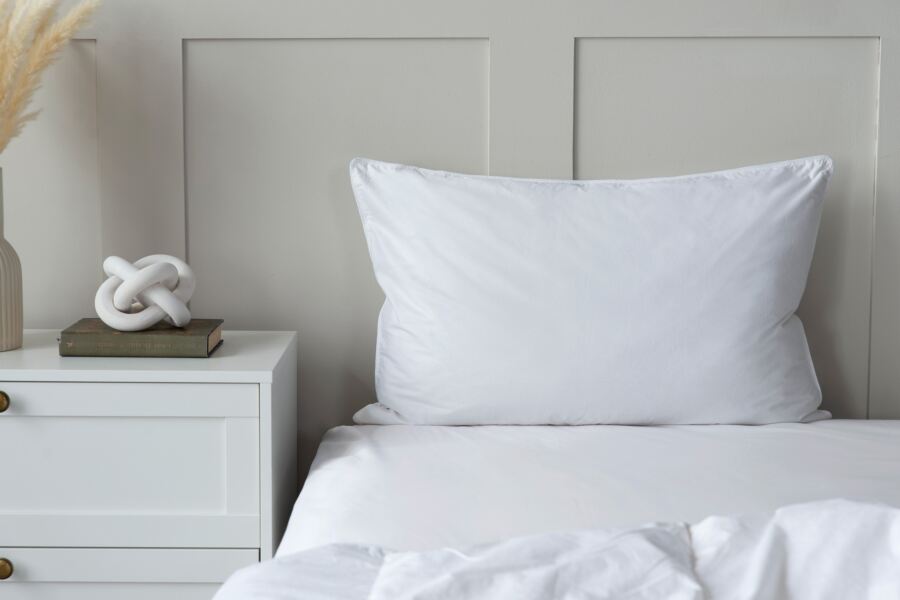
Support for Side Sleepers
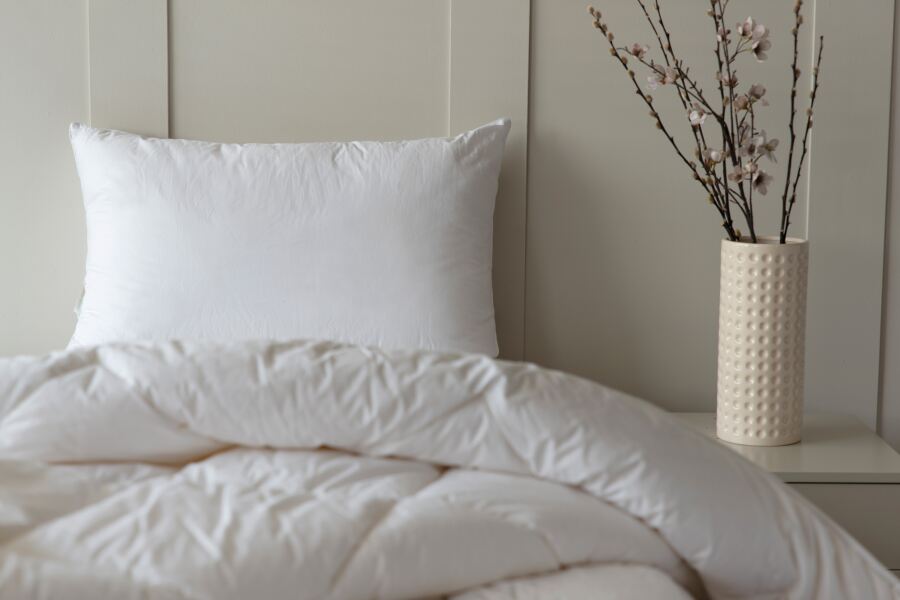
For those who prefer sleeping on their side, the gap between the head and the mattress is wider, requiring a firmer, thicker pillow to bridge the distance.
To further alleviate pressure on the lower spine, try placing a separate pillow or cushion between your knees. This simple trick keeps your hips aligned and works in tandem with your head pillow to reduce the twisting of the spine that causes morning stiffness.
Cooling Solutions for Hot Sleepers and Menopause
Overheating is one of the most common disruptors of deep sleep. Whether caused by hormonal changes during menopause, medication, or simply a naturally high body temperature, waking up with a hot, sweaty head is uncomfortable and frustrating.
Breathable Fabrics
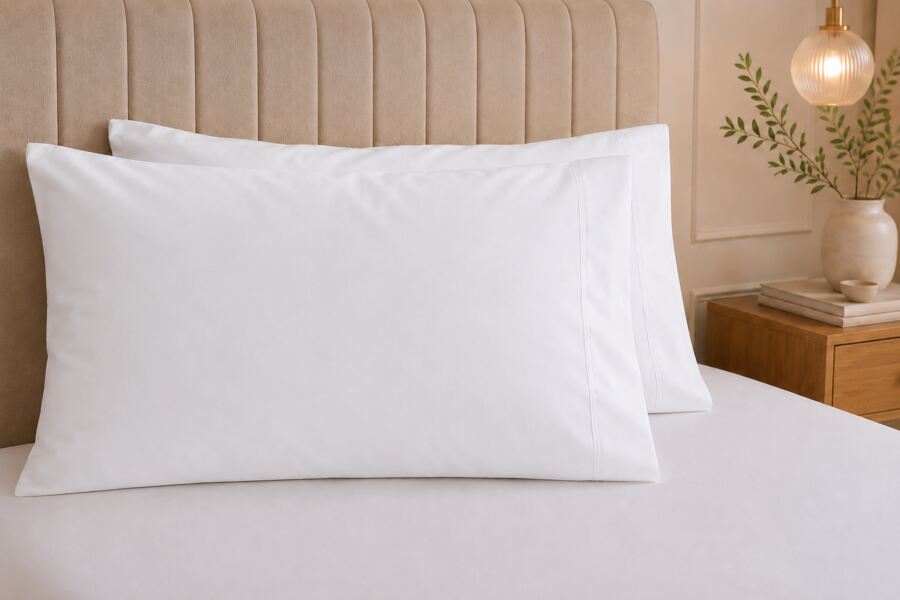
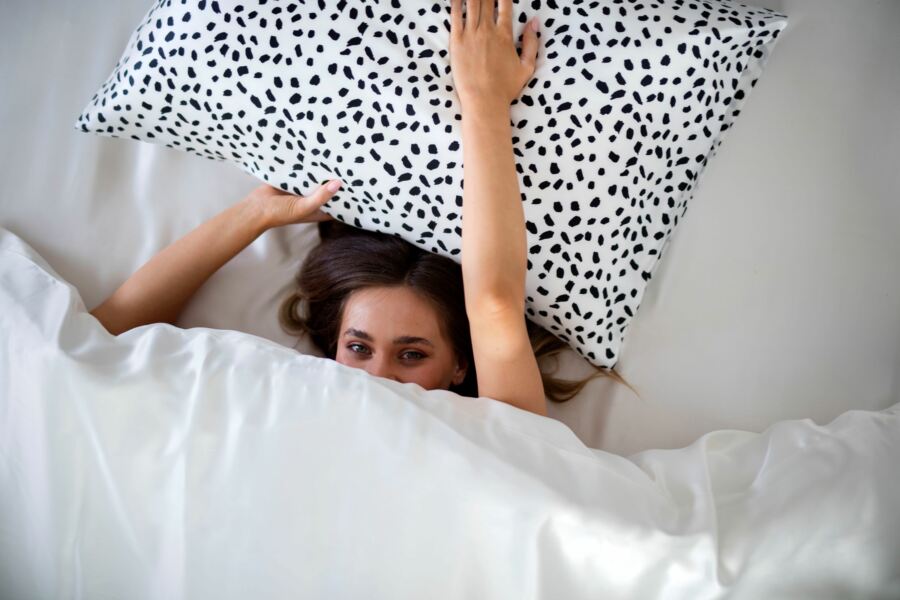
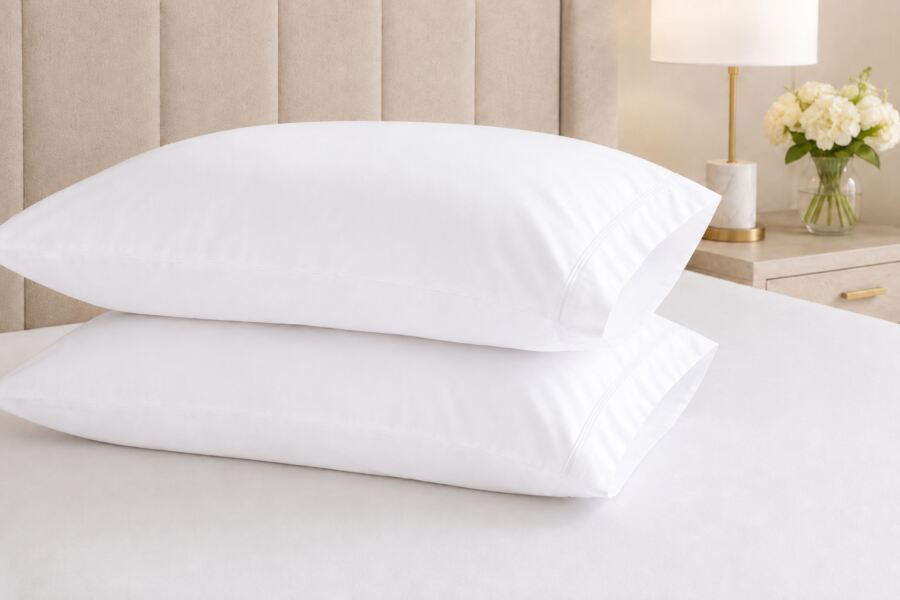
Natural materials are your best defence against night sweats. Pillows and pillowcases made from breathable fibres like silk, wool, bamboo, or cotton are naturally moisture-wicking. Unlike synthetic fabrics which can trap heat, these materials allow moisture to evaporate, preventing that clammy feeling.
Thread Count Matters
It is a common misconception that higher thread count always equals better quality. For hot sleepers, a lower thread count—typically around 200 to 300—is often superior. A fabric that is less dense allows for greater airflow, helping to regulate temperature throughout the night.
Advanced Cooling Technology
For targeted relief, consider pillows featuring advanced cooling fibres or gel-infused memory foam. These are engineered specifically to dissipate heat and prevent it from building up around the neck and head. Additionally, we always recommend using a pillow protector. Not only does this add a layer of hygiene against sweat, but it also protects your investment from accidental spills or stains.
Anti-Snore Pillows and Sleep Apnoea
Snoring and sleep apnoea can ruin sleep quality for both the sufferer and their partner. Snoring typically occurs when the soft tissue in the throat relaxes and partially blocks the airway. While a pillow cannot cure these conditions, the right support can significantly improve airflow.
Elevation and Alignment
The goal is to keep the upper body gently elevated and the neck aligned with the spine. Anti-snore pillows are often designed with a specific wedge shape or cervical contour to encourage this position.
Firm Support
Ideally, the pillow should offer firm support. A pillow that is too soft allows the head to sink and collapse backward, which can narrow the airway further and worsen snoring. Memory foam is particularly effective here as it holds its shape throughout the night. For a versatile and affordable alternative, a bolster cushion can also provide the necessary elevation to help keep airways open.
Age-Specific Pillow Recommendations
As we journey through life, our bodies change, and so do our requirements for comfort and support. Selecting the right bedding for every age ensures that everyone in the family gets the rest they need.
Best Pillows for Kids
A child's pillow must support their growing body at each developmental stage.
-
Toddlers: Require much flatter, smaller pillows than adults to avoid straining their developing necks.
-
School-Age: Can graduate to standard adult sizes, but prioritise breathability and hypoallergenic materials to reduce the risk of asthma or allergies.
-
Materials: Bamboo or organic cotton cases are lightweight, washable, and gentle on young skin.
Best Pillows for Seniors
As we age, we often contend with joint stiffness, reduced mobility, or sensitive pressure points.
-
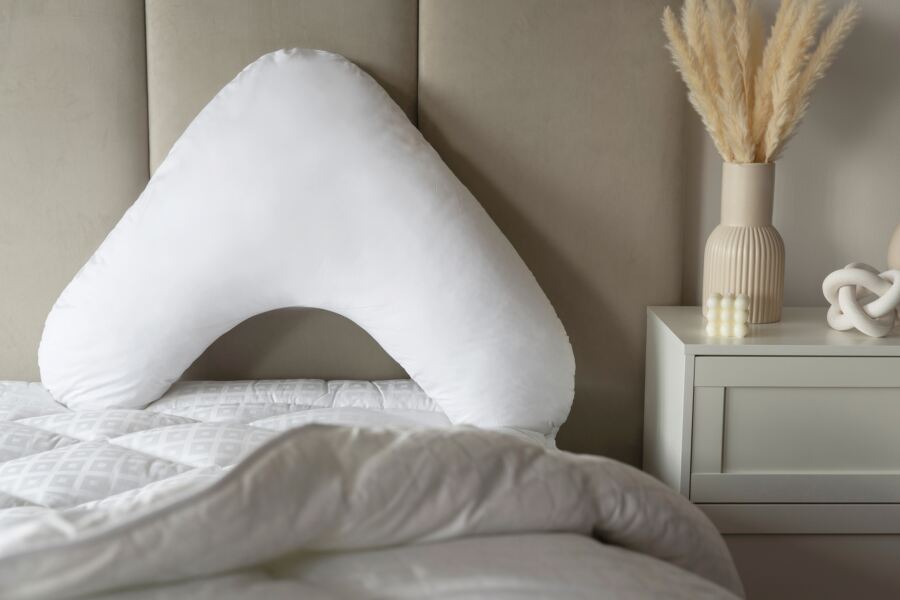
Orthopaedic Options: V-shaped pillows are excellent for providing versatile support for reading in bed or alleviating neck discomfort.
-
Ease of Use: If arthritis or weak grip is an issue, look for lightweight pillows (like high-quality down or down-alternative) that are easy to adjust and fluff during the night.
-
Circulation: Wedge pillows can be beneficial for managing acid reflux or circulation issues by gently elevating the upper body.
Conclusion: Make Your Pillow Upgrade Your 2026 Resolution
We often underestimate the impact of "the little things" on our overall happiness. A pillow is something you use for approximately one-third of your life; ensuring it is the right one is a small change that yields significant results.
Whether you need the cooling touch of bamboo, the firm support of memory foam, or the gentle luxury of goose down, the right choice can transform your nights. Commit to improving your sleep hygiene this year. With the right support, you can look forward to waking up refreshed, pain-free, and ready to tackle the day.
Belledorm – for a good night’s sleep.
Frequently Asked Questions
What's the most important function of a pillow?
A pillow's primary job is keeping your head in neutral alignment, sitting squarely on your shoulders without tilting forward or backward. This maintains a straight spine and prevents waking with stiffness or pain.
Which pillow type is best for back sleepers with pain?
Memory foam pillows with medium thickness (loft height) work best for back sleepers. They contour to your neck and head shape, providing consistent support while keeping your head level with your spine.
What should hot sleepers look for in a pillow?
Choose pillows with breathable natural materials like silk, bamboo, cotton, or wool that wick moisture away. Use a lower thread count (200-300) for better airflow, or opt for gel-infused memory foam designed to dissipate heat.
Can a pillow help with snoring?
While a pillow can't cure snoring, an anti-snore pillow with firm support and cervical contour keeps your upper body elevated and neck aligned, improving airflow and reducing snoring severity.
What pillow should seniors use?
Seniors benefit from lightweight, easy-to-adjust pillows like high-quality down or down-alternative. Orthopaedic options like V-shaped or wedge pillows provide versatile support for neck discomfort, arthritis, or circulation issues.