 Platinum trusted service award
Table of Contents
- What causes hot flushes and night sweats?
- What are the best sheets for perimenopause?
- What are the best duvets for perimenopause?
- What are the best pillows for perimenopause?
- What are the best mattress protectors for perimenopause?
- More sleep tips for perimenopause
Studies show that between 40% and 60% of women report sleep disruption during the midlife transition. Insomnia, hot flushes, night sweats and mood changes are all very common, making it more difficult to get the deep, restorative rest your body needs.
Sleep disturbances during perimenopause aren’t just a minor inconvenience. They can affect everything from work productivity to mental health.
What causes hot flushes and night sweats?
During perimenopause and menopause, women experience fluctuations in hormone levels. This can interfere with the body’s ability to regulate temperature, triggering sudden bursts of extreme heat and, in some cases, chills.
These hormonal fluctuations are often worse at night, causing hot flushes and sweats to be more frequent or intense while you’re trying to sleep.
Research shows that 80% of perimenopausal and menopausal women experience hot flushes and night sweats, and waking up during the night is the most common sleep complaint during the midlife transition.
Along with hormones, another reason for overheating at night can be unsuitable bedding. Using fabrics that are more breathable can transform your sleep quality, helping you to stay cool and comfortable while you’re in bed.
What are the best sheets for perimenopause?
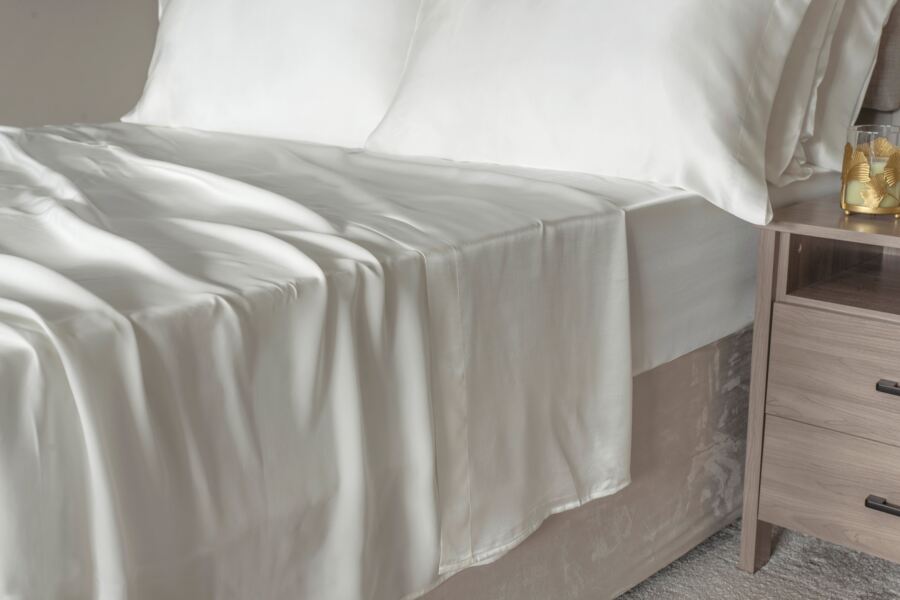
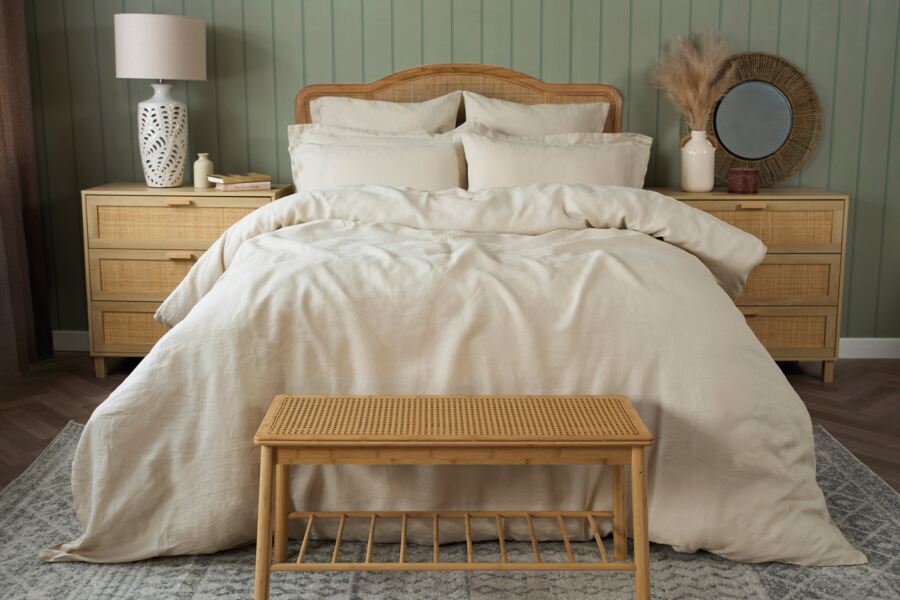
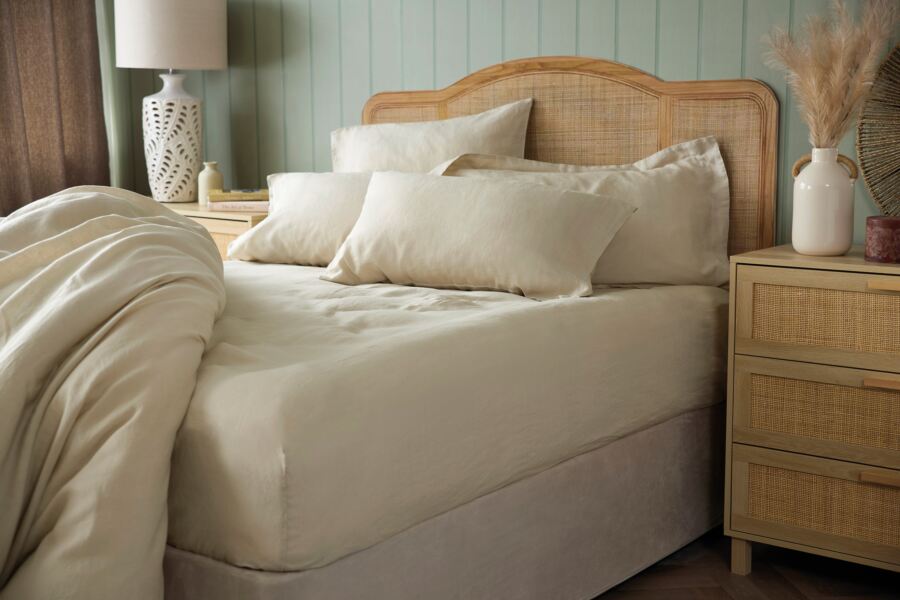
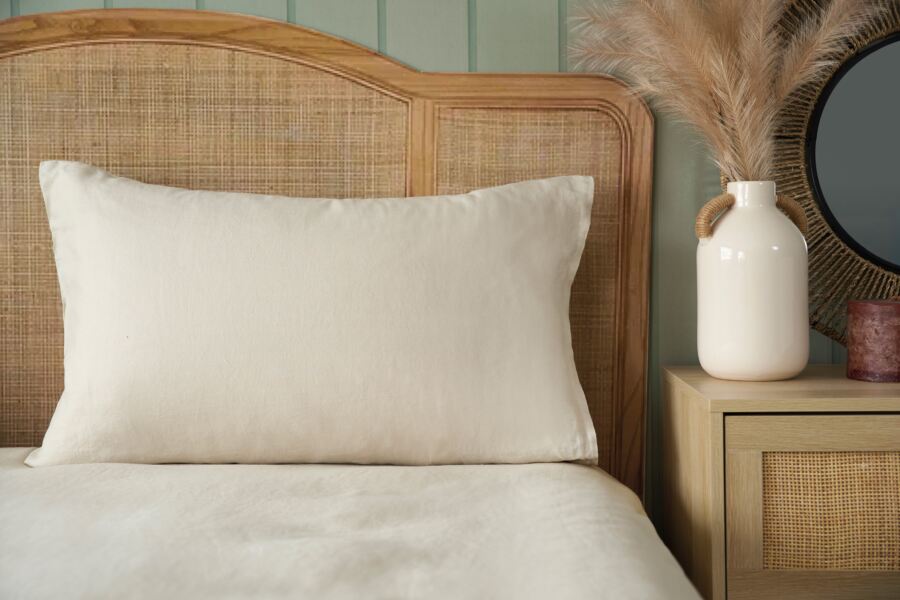
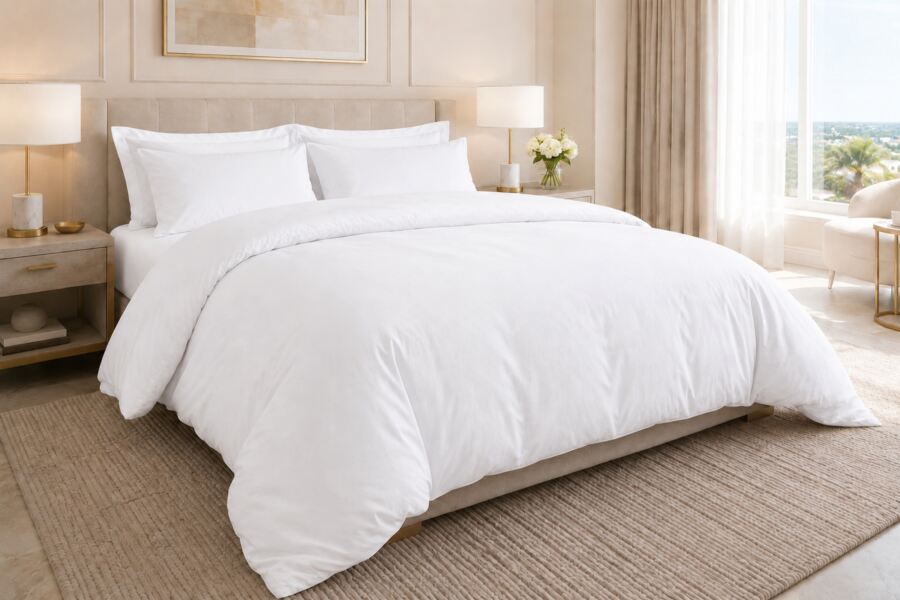
The most comfortable bedsheets for perimenopause are made with natural fabrics like linen, bamboo or premium cotton. Linen’s hollow fibres absorb moisture and encourage air to flow freely, creating a cooler surface to sleep on. Bamboo, meanwhile, excels at wicking away moisture and regulating temperature, helping you to stay dry throughout the night. Egyptian cotton sheets with a thread count of below 400 are crisp, breathable and cool to lie on.
While there are plenty of good options, it might be best to avoid polyester sheets and pillowcases. That’s because their dense fibres can trap in heat and moisture, making night sweats worse.
What are the best duvets for perimenopause?
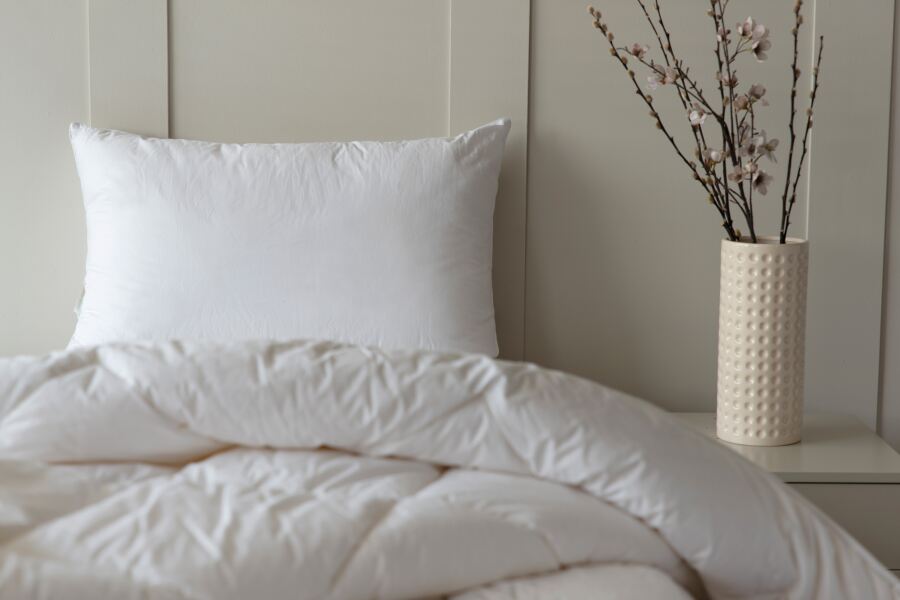
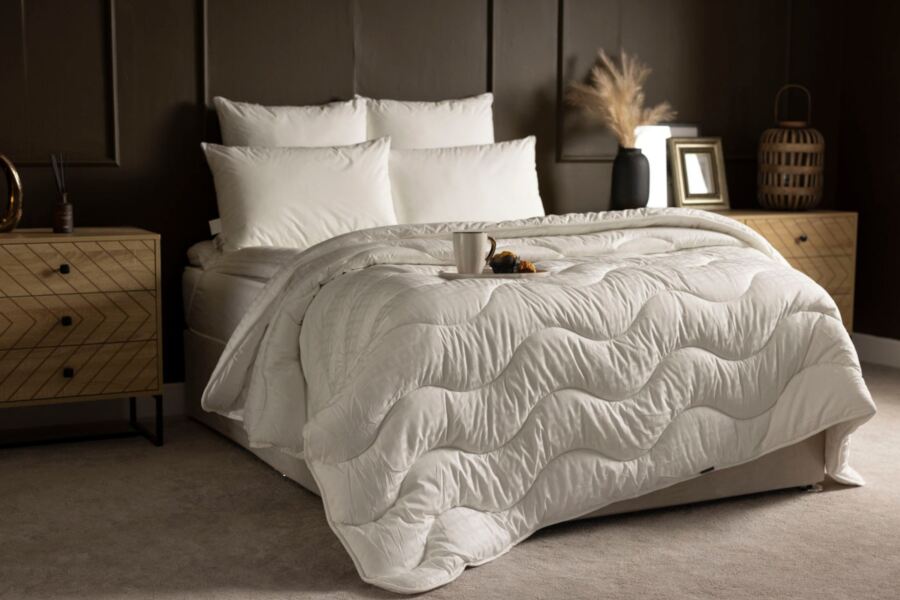
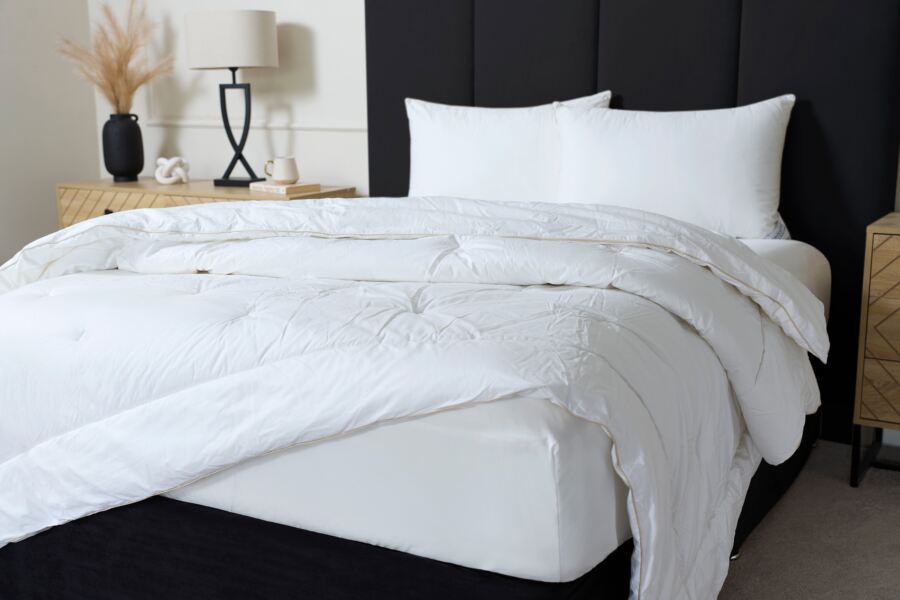
Breathable duvets with natural fillings such as wool or organic cotton can adapt well to your body’s temperature. But the tog number is important too. If you’re a hot sleeper, it’s best to have a duvet with a tog rating under 10. A lighter 4.5 tog duvet with microfibre filling won’t weigh you down and should make you less prone to overheating.
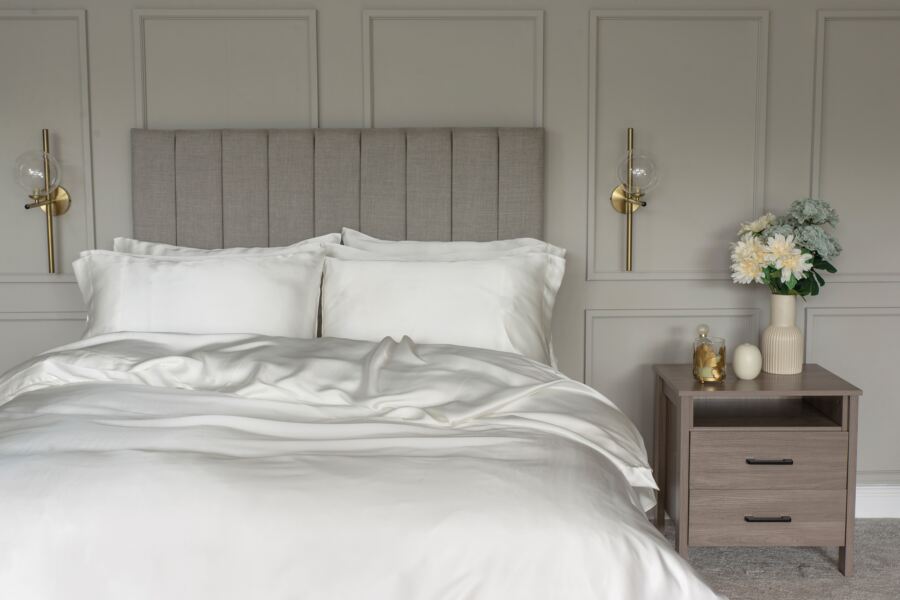
As for your duvet cover and pillowcases, a 100% cotton duvet set is ideal for managing temperature fluctuations thanks to its natural breathability.
What are the best pillows for perimenopause?
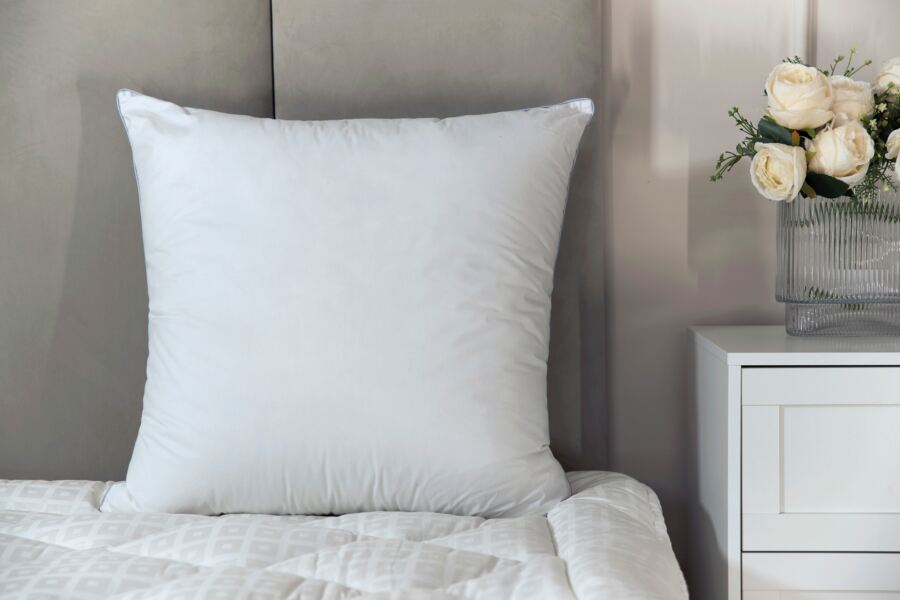
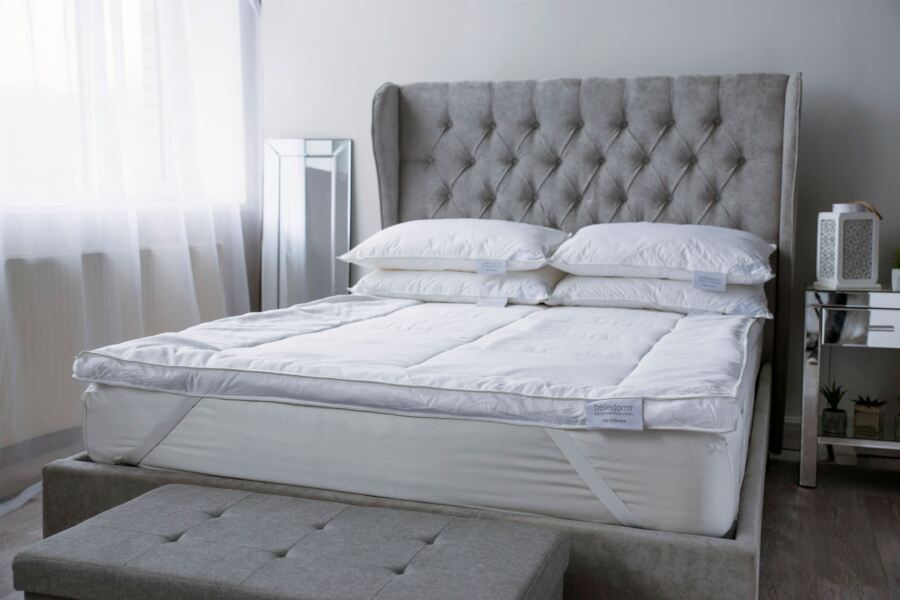
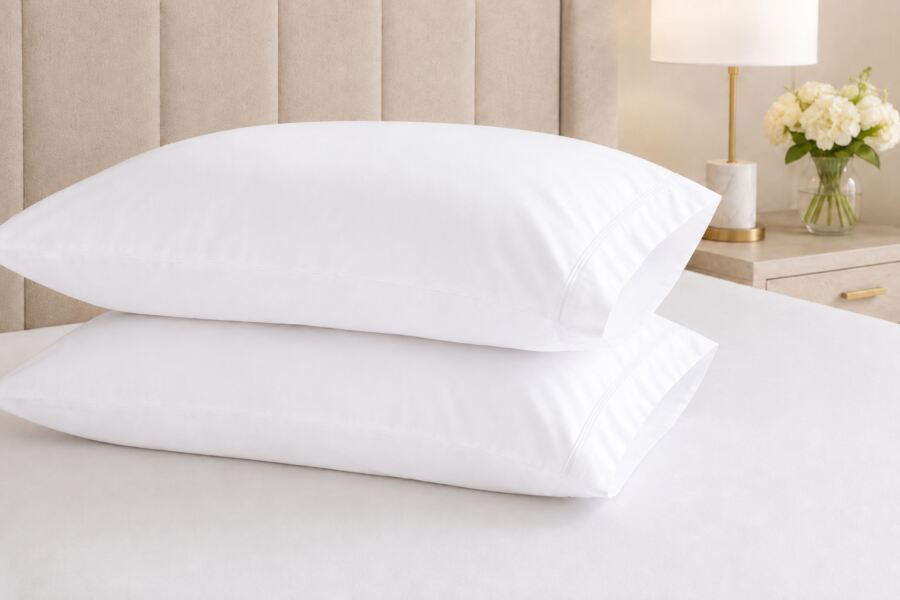
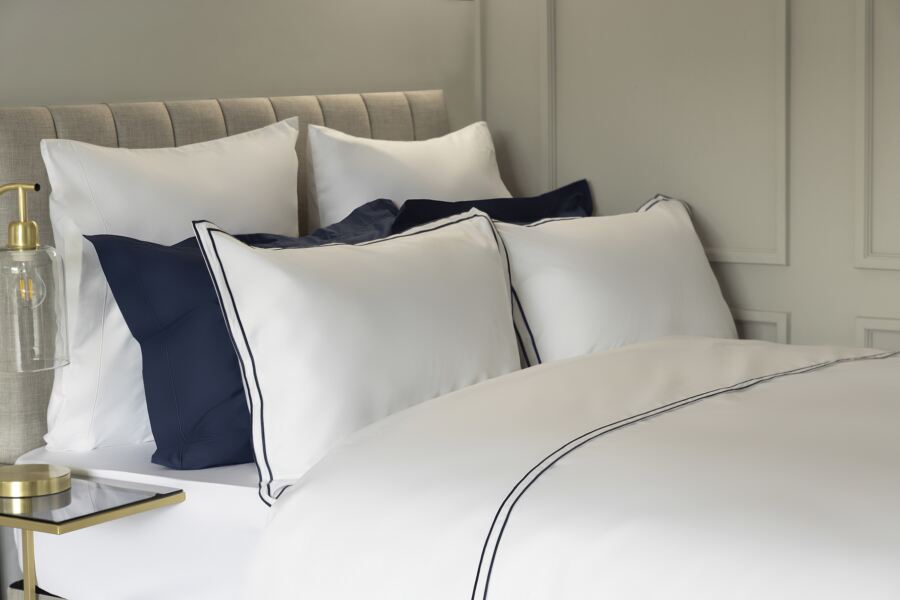
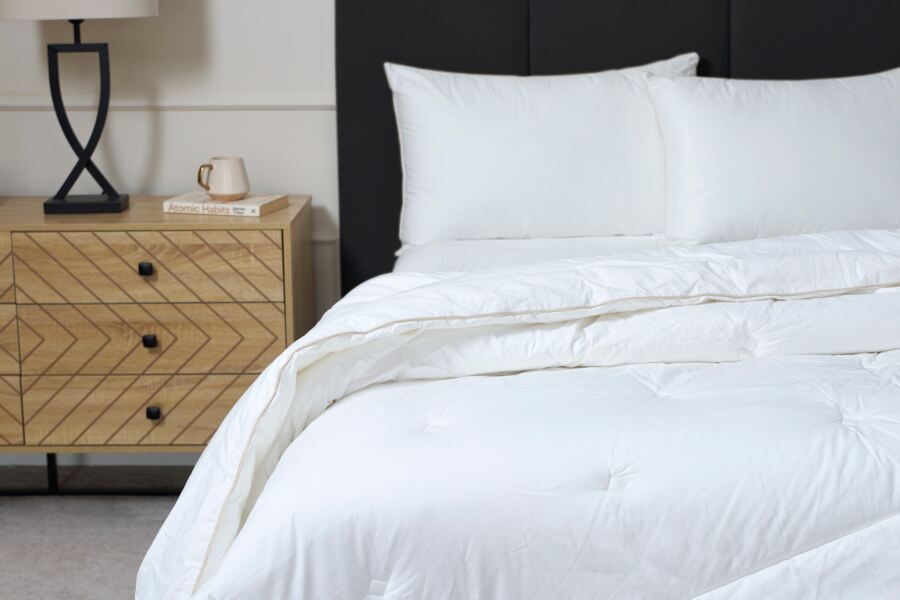
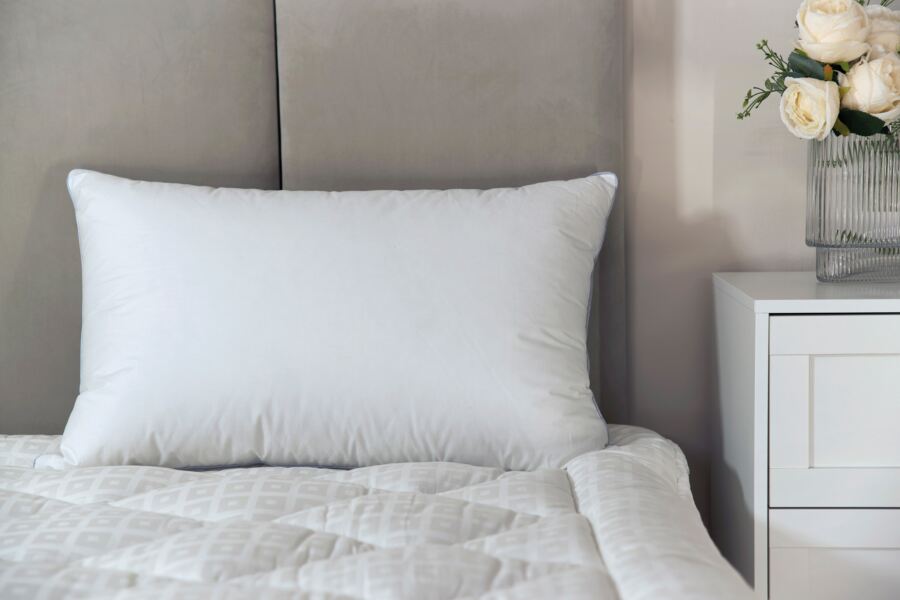
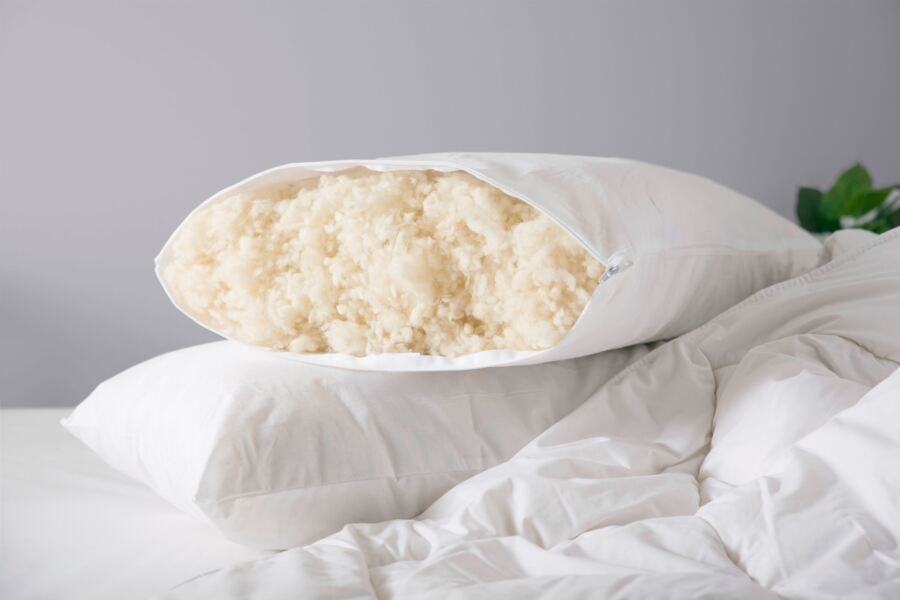
Pillows designed with cooling properties can be particularly helpful for perimenopause as they draw heat away from your head and face as you sleep. Natural fillings like silk, wool and cotton are excellent thanks to their breathability, but synthetic options can be good at regulating temperature too. It’s all about personal preference. Likewise, with pillowcases, silk can be a good option.
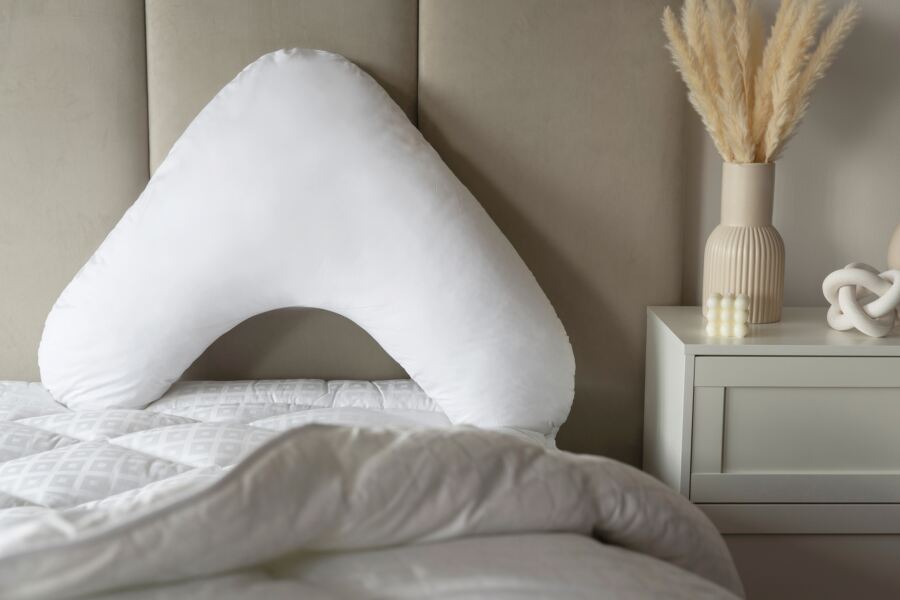
If you tend to overheat at night, a breathable cluster pillow with low thread count can provide supreme comfort and softness. If the perimenopause is causing you aches and pains or head tension, a V-shaped pillow can provide excellent support for your back, neck and shoulders.
What are the best mattress protectors for perimenopause?
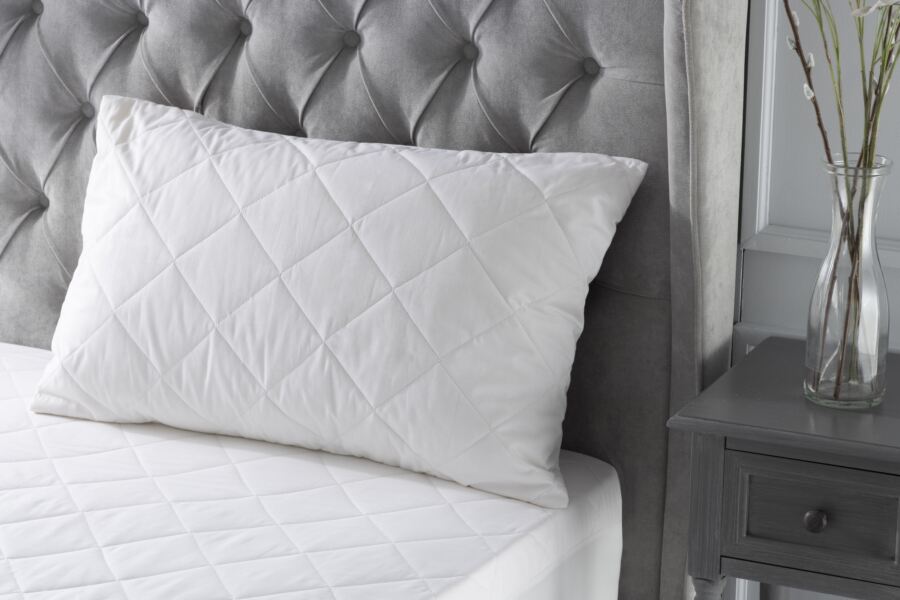
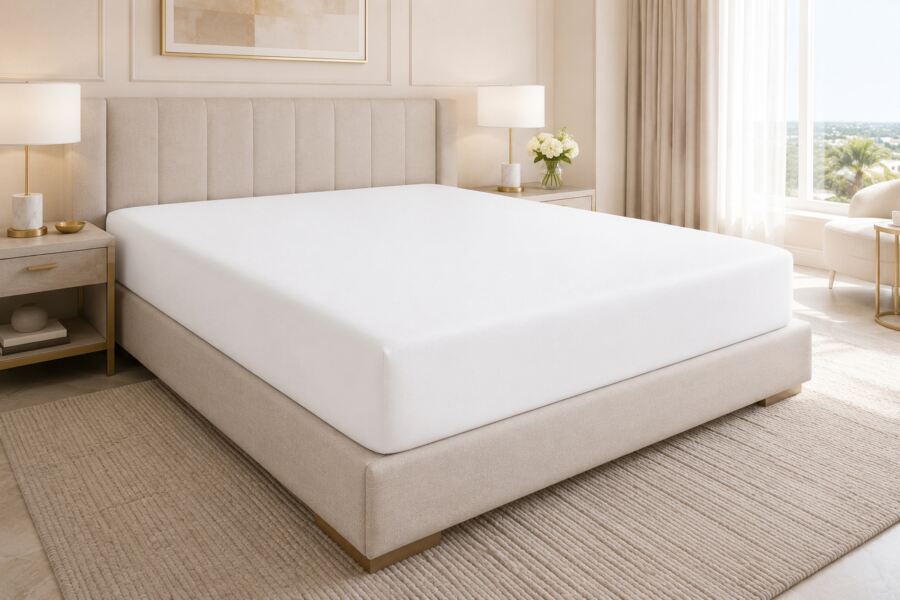
Some mattress protectors can trap in heat, so it’s best to go for breathable options that help with regulating your temperature. Mattress protectors with a cotton filling are a great option if you find synthetic ones too warm.
For practical reasons, look for a mattress protector that you can easily pop in your washing machine. You may need to wash it more often if you experience night sweats.
More sleep tips for perimenopause
- Use a lightweight blanket that you can easily pull on or off your bed as your body temperature fluctuates throughout the night. If you sleep with a partner, consider separate duvets.
- Keep your bedroom at a temperature of around 17-18°C.
- Use a quiet bedside fan for instant cooling on warm summer nights.
- Cut back on caffeine, and avoid eating close to bedtime, as this can trigger hot flushes.
- Enjoy a soothing bath with magnesium flakes ahead of bedtime. This can help lower your core temperature and relax your muscles.
- Swap synthetic pyjamas for lightweight materials like cotton, linen or silk.
And for another wellbeing boost, why not check out our sleep and bedroom accessories There’s something for everyone