
 Platinum trusted service award
Table of Contents
- Have a good sleep routine
- Create the right sleep environment
- Try breathing exercises or meditation
- Tweak your diet and exercise habits
- Drift off to something soothing
- Get geeky about sleep
- Think outside the box
- Don’t discount TikTok
- Remember, sleep changes with your life stage
- FAQs
If you’re one of the millions of people who struggle to get to sleep or stay asleep, it can be very frustrating and even debilitating. And the irony is that when you’re tired, things can feel even more difficult and overwhelming. A vicious cycle, if you will. But fear not, we’ve curated some expert sleep tips to help break the cycle, reduce insomnia and improve your quality of life.
Have a good sleep routine
A regular sleep routine is crucial, according to the NHS. This means having a set pattern every evening to prepare your body for sleep. Everyone’s sleep routine is bespoke to them but common tips include having a hot drink and warm bath or shower before bed.
Experts also recommend going to bed and waking up at the same time every day, including at weekends. Yes, we know the weekend lie-in will be difficult to say goodbye to, but it’s all for the greater good. And just think how smug you’ll feel with all that extra time in the morning.
Create the right sleep environment
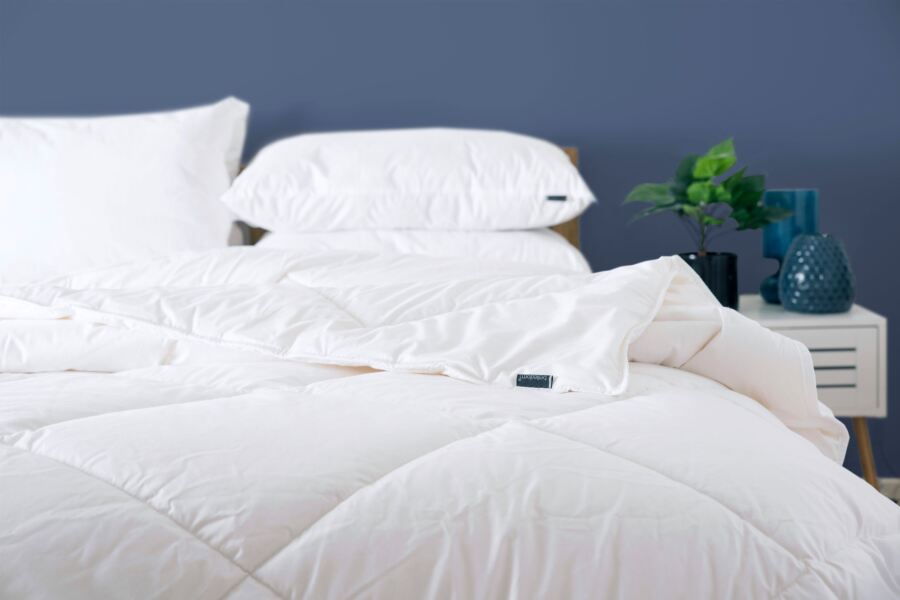
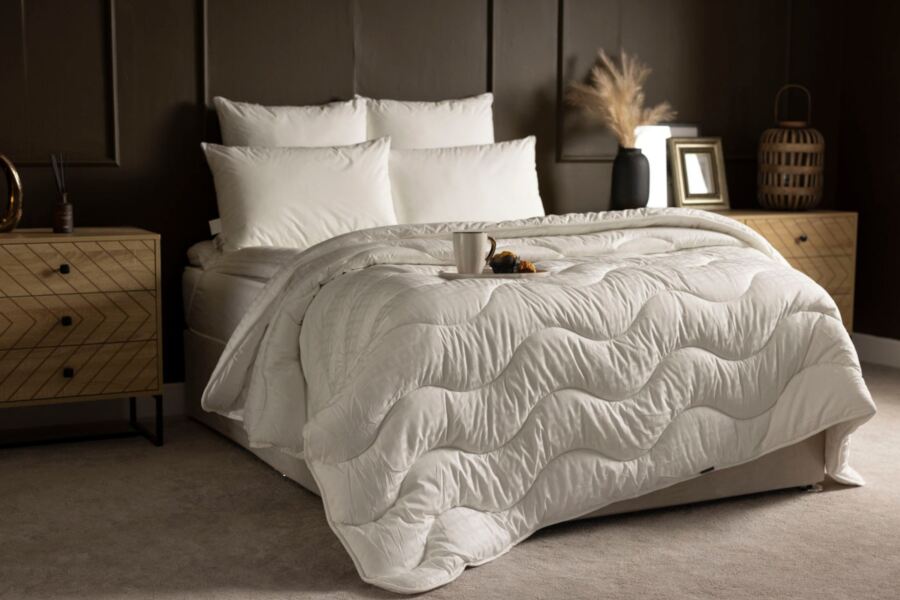
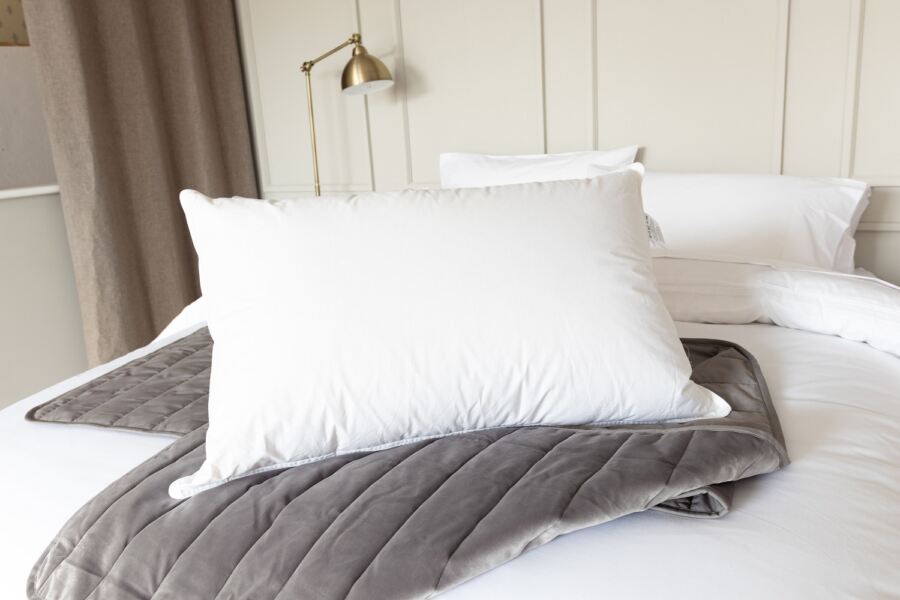
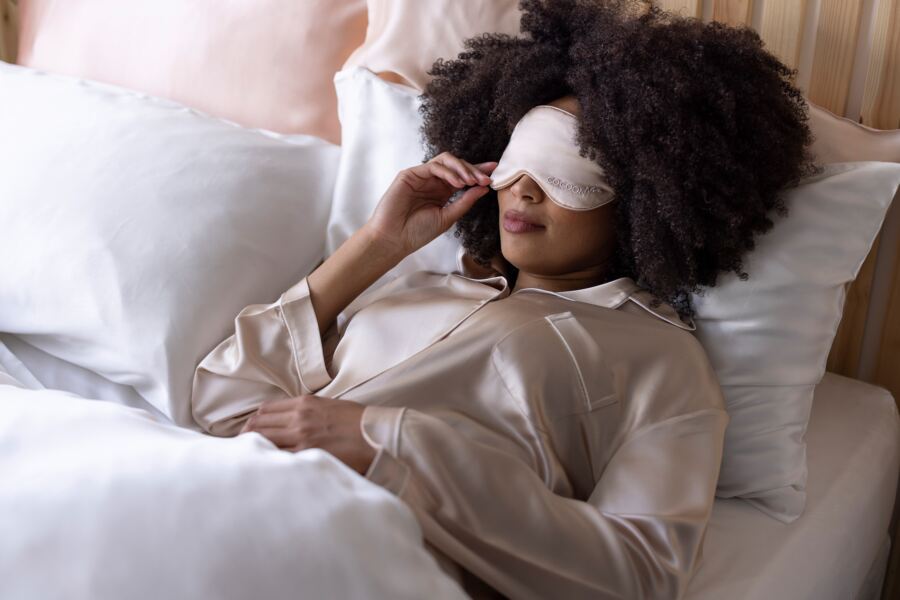
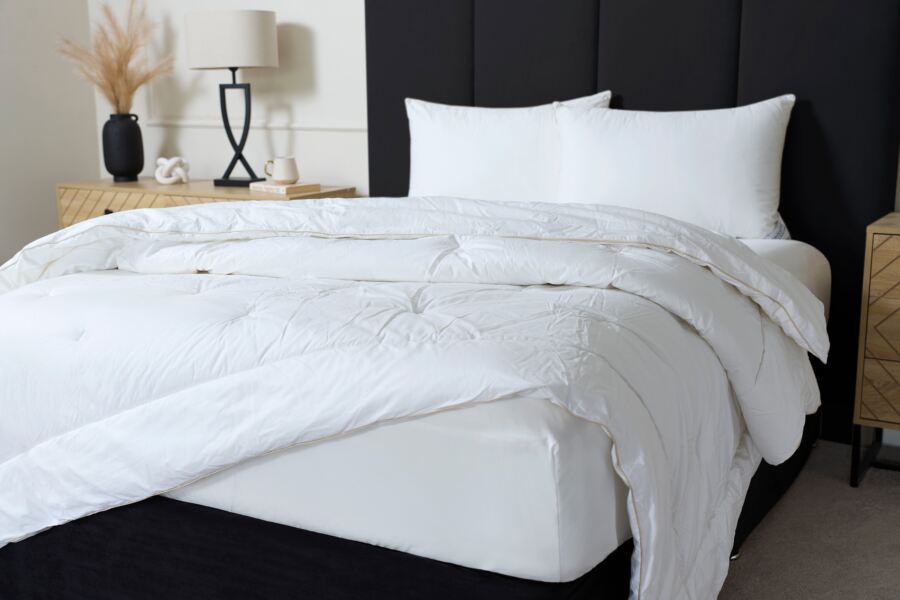
Another non-negotiable sleep tip from the NHS is to spend some time getting your sleep environment right. The key elements to consider for a good night’s sleep include sound, light and temperature – and these can all be tweaked, even if you have a busy household and a tight budget. Blocking out excess light with blackout blinds or an eye mask and keeping the room cool can help, as well as reducing unwanted noise with earplugs or white noise.
Try breathing exercises or meditation
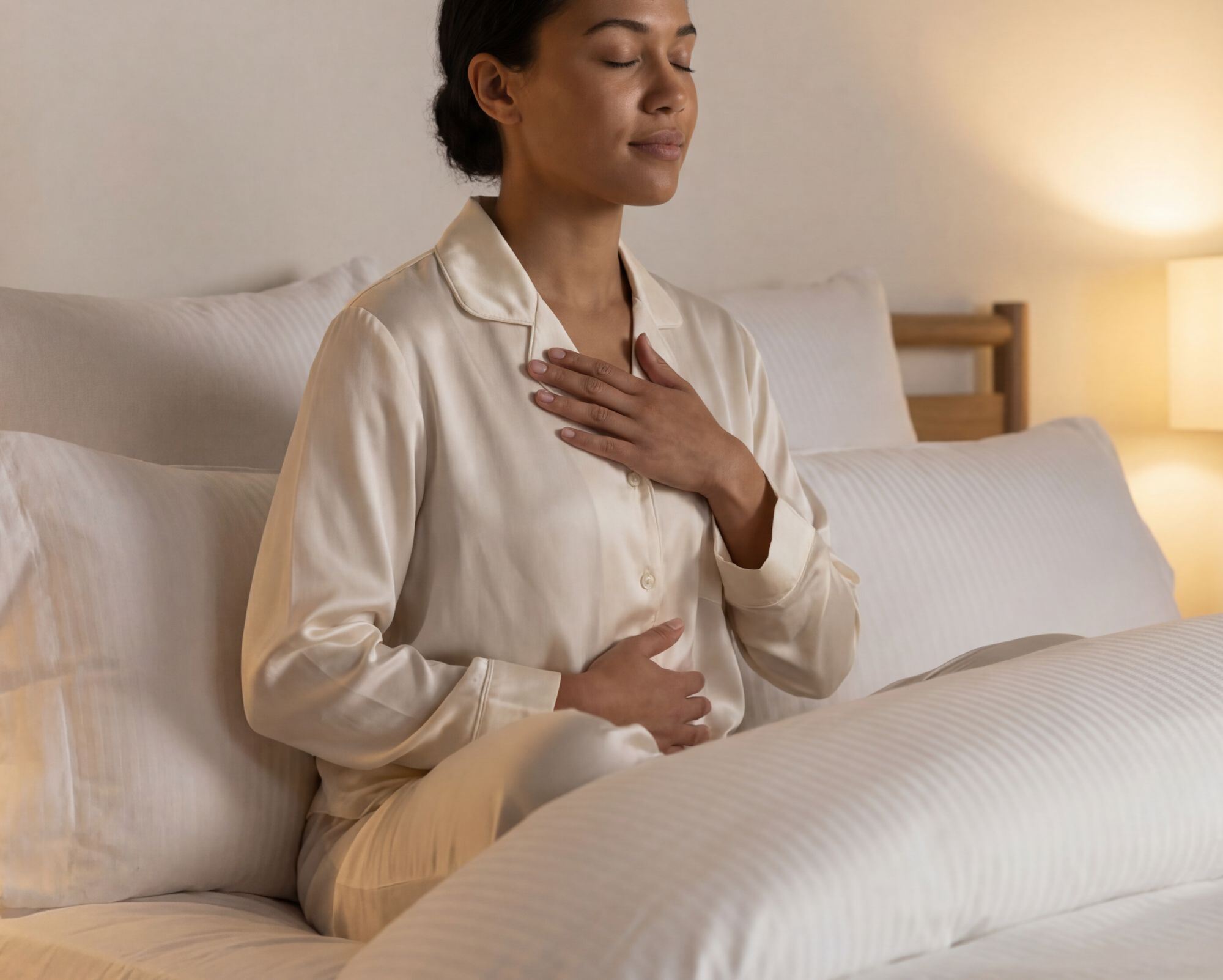
Although not suitable for everyone, long, deep breathing or meditation can help improve quality of sleep. The late Dr Michael Mosley, author of Fast Asleep, recommended belly breathing for both falling asleep at bedtime and getting back to sleep if you wake in the night.
Belly breathing steps:
Place one hand on your belly and one on your chest.
Breathe in slowly through your nose and slowly out of your mouth.
You should feel the hand on your belly move but the hand on your chest stay still.
If you have a lung condition, anxiety or a history of trauma (including PTSD), you can explore other ways of relaxing the body and mind. For example, pairing movement and breath through yoga or stretching may help quieten the mind and get your body ready for sleep without the risk of increasing feelings of anxiety or panic.
Tweak your diet and exercise habits
It’s probably no surprise to learn that problematic sleep can have an impact on your mental health. The Mental Health Foundation suggests that making a few tweaks to your diet and exercise habits can positively impact your sleep. Their suggestions include:
Exercising earlier in the day rather than in the evening
Eating earlier in the evening – not too close to bedtime
Keeping an eye on your alcohol, caffeine and sugar intake
Drift off to something soothing
Humans have made music since the early days of civilisation, and we now know that listening to music really can lower anxiety. Why not try The Sleeping Forecast from the BBC which mixes relaxing music with excerpts from the Shipping Forecast. Ambient music and ASMR are other popular audio trends for helping you relax and feel ready for sleep.
The BBC has another brilliant resource to help you fall asleep. Called Help Me Relax, it’s full of soothing stories, sounds and documentaries, including the sounds of falling rain and lapping waves.
If you can, try to download your soothing soundtrack in advance so you can listen on a device that’s offline – or at least make sure your phone notifications are switched off!
Get geeky about sleep
Everyone’s different and we all have different life circumstances. For that reason, it’s always good to educate yourself about sleep so you can find what works for you. The Sleep Charity’s informative Sleep On podcast covers topics including sleep apnoea, the menopause and the neuroscience of sleep. It also runs the handy National Sleep Helpline on 03303 530 541.
Think outside the box
If you’ve tried all the well-known tips for sleeping, why not think outside the box? Saga has put together some unusual sleep tips including humming like a bee and trying reverse psychology by not closing your eyes!
Don’t discount TikTok
It goes without saying that you should avoid scrolling on TikTok when you’re meant to be unwinding for bed. However, social media can be a good place for sleep tips, as long as you check the influencers are medically trained and not trying to sell you anything.
Recent popular TikTok sleep trends include:
The 3-2-1 sleep rule, which refers to the number of hours before bedtime that you stop eating and drinking alcohol, stop working and stop using screens.
The 10-3-2-1-0 sleep rule, which is similar to the 3-2-1 rule but also includes cutting out caffeine. The zero refers to the number of times you’re allowed to press the snooze button on your alarm
Take everything with a pinch of salt and remember only you, and your doctor, know your specific health issues and life stage.
Remember, sleep changes with your life stage
Don’t be too hard on yourself if your sleep is not where you’d ideally like it to be. Sleep can vary wildly across life stages, from having small babies who wake frequently, to being a student who sleeps in late but stays up all night when exams are looming, to being an empty nester who finds themselves waking early in a quiet home.
Perimenopause, menopause and various health conditions can all have an impact too. It’s important to reach out to your GP if you feel your sleep is having an impact on your health, quality of life or relationships.
FAQs
What’s the best way to get to sleep?
It all depends on life stage, age and health, but common tips include creating a relaxing sleep environment, sticking to the same night-time routine and avoiding heavy meals, alcohol and caffeine too close to bedtime.
Choose some new bedding for your cosy sleep environment
How do I get to sleep when I’m away from home?
If you’re away from home, try to replicate your home sleep environment as closely as possible. There’s no shame in taking your pillow and eye mask with you when you travel!
What’s a secret tip for getting more sleep?
There’s no magic tip for sleeping, unfortunately. If you can, try not to get too worried or frustrated – easier than it sounds when you’re tired, we know! Some people swear by getting up and going into another room until they feel sleepy again. If you’re still experiencing sleep issues, despite having a good routine and calming environment, it might be time to chat to your doctor.