 Platinum trusted service award
Table of Contents
- How fabric choice affects sleep
- Cotton: the year-round all-rounder
- Egyptian cotton: longer fibres, better sleep
- How weave changes the feel of cotton
- Bamboo: cool, soft and naturally kind to skin
- Linen: for hot sleepers and warm bedrooms
- Choosing the right fabric for you
- Natural fabric FAQs
Most decisions about the bed get made in the shop, or online at ten o'clock in the evening, with fabric described in adjectives rather than properties. Soft, luxurious, crisp, cool. The words are familiar, but they do not explain much about how a fabric will actually behave through the night.
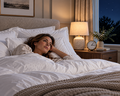
Natural fibres, cotton in its various forms, bamboo, linen and silk, share a useful set of qualities: they breathe, they manage moisture, and they tend to work with the body's overnight temperature cycle rather than against it. A 2024 systematic review in the Journal of Sleep Research confirmed what textile specialists have long understood, that fabric choice measurably affects sleep quality, particularly under warmer conditions.
This guide walks through each of the main natural options, what they do well, who they suit, and where they have their limits. After forty years of making bed linen in Manchester, we have a reasonably clear view on all of them.
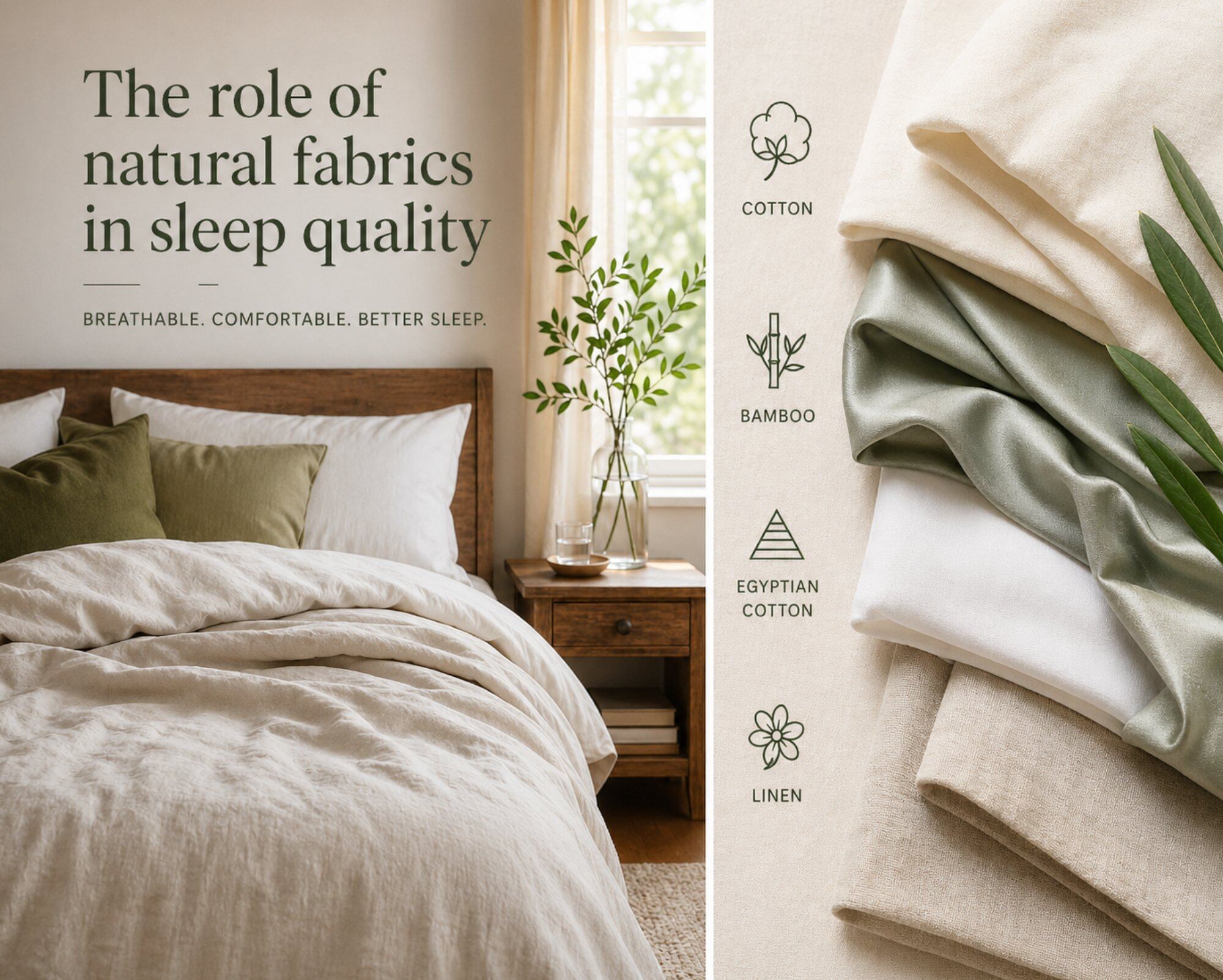
How fabric choice affects sleep
Sleep is not a still, passive state. The body cycles through a series of subtle temperature changes overnight, and those changes matter. Core temperature drops as sleep begins, bottoms out in the early hours, and rises again towards waking. For deep, restorative sleep to happen, the body needs that temperature curve to run smoothly, which means shedding heat and moisture without interruption.
This is where fabric enters the picture. A bedding fabric that breathes lets warm, damp air move away from the skin. A fabric that does not traps both against the body, pushes core temperature up, and nudges the sleeper into a lighter stage of sleep or into waking altogether.
Most synthetic bedding, particularly cheaper polyester, behaves this way. It feels smooth at first but tends to hold onto moisture and heat. The result is a sleep environment that works against the body rather than with it. Natural fibres generally do the opposite: they absorb moisture, release it back into the air, and allow the bed to stay within the range of temperatures the body wants.
Not all natural fabrics behave the same way, though. The differences between cotton, bamboo and linen are real, and worth understanding before choosing what goes on the bed.
Cotton: the year-round all-rounder
Best for: most sleepers, most of the year.
Cotton is the default for a reason. It is soft from the first wash, it breathes well, and it handles the kind of temperatures and humidity most UK bedrooms sit at without much fuss. It adapts to the body, which is why the same cotton sheet can feel cool in summer and warm enough in winter if the right duvet is paired with it.
Quality varies widely, though. The length of the cotton fibre, known as the staple, is the single biggest factor in how the finished fabric behaves. Short-staple cotton produces a slightly coarser yarn with more joins, which tends to pill over time. Long-staple cottons, including Egyptian and Pima, weave into smoother, stronger fabric that lasts longer and feels better against the skin.
The other thing worth checking is that the label says 100% cotton, not a cotton and polyester blend. Polycotton has its uses, it creases less and dries faster, but the breathability drops the moment polyester is introduced. For sleep specifically, pure cotton is the more reliable choice.

Egyptian cotton: longer fibres, better sleep
Best for: sleepers who want softness that lasts, and a hotel-like feel at home.
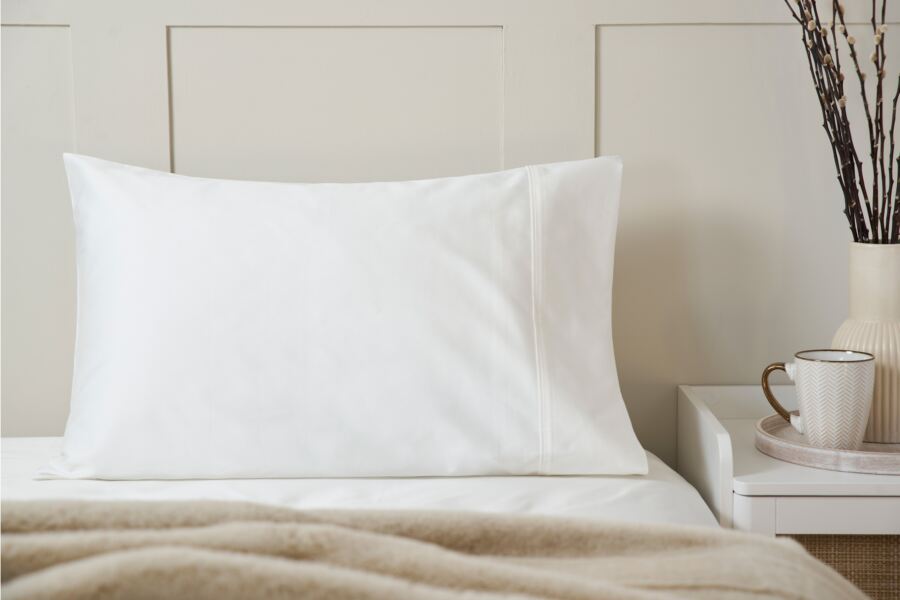
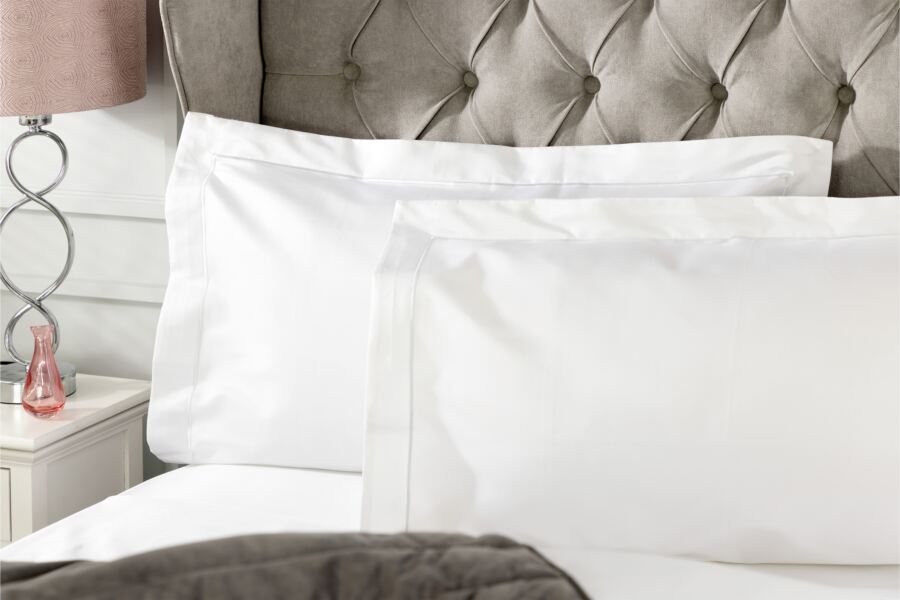
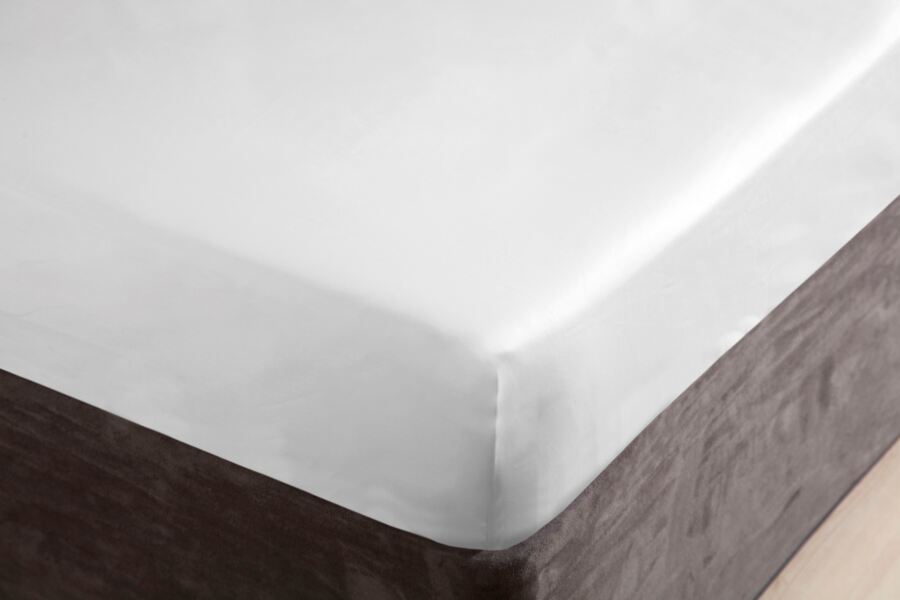
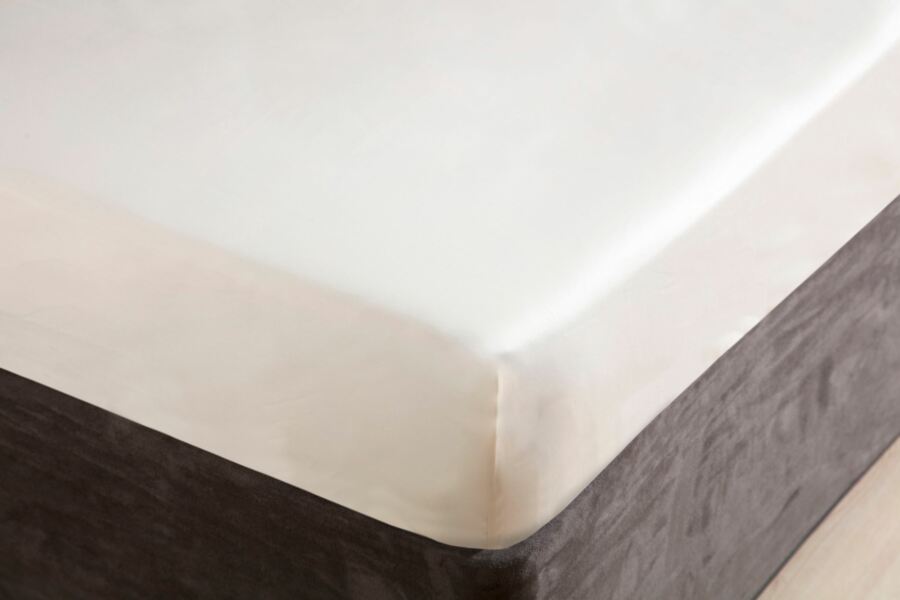
Egyptian cotton's reputation rests on one technical point: extra-long staple fibres. The longer the fibre, the fewer joins there are in the yarn, and the finer and stronger the yarn can be spun. The result is a fabric with a smoother surface, a softer hand-feel, and noticeably better durability than standard cotton. Our Egyptian cotton range is built around this, with thread counts running from 200 up to 1000.
Thread count is worth understanding rather than chasing. It measures how densely the threads are woven into a square inch of fabric. Higher counts produce a denser, more substantial feel, which many sleepers prefer, but breathability does eventually plateau. For warmer sleepers, a well-made 200 or 400 thread count sheet in Egyptian cotton will often feel cooler and more comfortable than a 1000 thread count version. For those who like a weightier, more enveloping feel, 600 thread count sateen sits at the point where softness and density balance well.
The other quiet benefit of Egyptian cotton is longevity. Standard cotton sheets tend to pill and thin within a couple of years. Well-made Egyptian cotton, washed properly, holds its finish for considerably longer. The cost-per-night calculation usually works in its favour.
How weave changes the feel of cotton
Two sheets with the same fibre and the same thread count can feel entirely different on the bed. That is the weave at work. Percale and sateen are the two most common cotton weaves, and each creates a different sleep experience.
Percale
A one-over-one weave that feels light, crisp and cool, rather like a well-made hotel sheet. Percale sits well in warmer months and suits sleepers who run hot. It does crease more than sateen, so it has a more relaxed, laundered look once it has been on the bed a while.
Sateen
A four-over-one weave that produces a denser, smoother fabric with a soft lustre. Sateen feels heavier and warmer than percale at the same thread count, which makes it a better fit for cooler sleepers, or for those who simply prefer the weight of a more substantial sheet. The low-friction surface is also gentler on skin and hair.
Neither weave is objectively better. They suit different sleepers, and often different seasons. Many households keep both, percale for summer, sateen for winter, and switch with the duvet.
Bamboo: cool, soft and naturally kind to skin
Best for: allergy sufferers, hot sleepers, and those with sensitive skin.
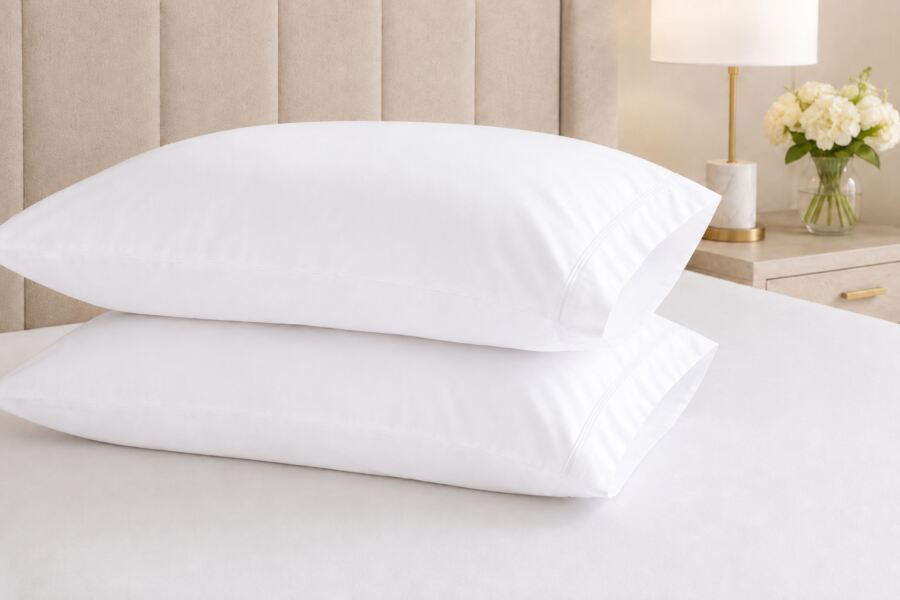
Bamboo bedding, properly described as bamboo viscose, has become increasingly popular for reasons that stand up to scrutiny. Bamboo is notably cool to the touch, has a silky, fluid drape, and wicks moisture away from the body more readily than most cottons.
For sleepers prone to allergies or with eczema or sensitive skin, bamboo has a couple of quiet advantages. It resists the humidity that dust mites thrive in, and its smooth fibre surface causes less friction against the skin than a coarser fabric might. It also washes well, which matters for anyone needing to launder bedding frequently.
It is worth being honest about bamboo's sustainability story. The bamboo plant itself grows quickly and needs little water, which is the point most often made in its favour. Turning that plant into a usable fibre, however, is a chemical process. Responsibly produced bamboo viscose, made in closed-loop systems, is a reasonable choice. Cheaper versions may not be. Looking for OEKO-TEX certification is the simplest way to check.
Linen: for hot sleepers and warm bedrooms
Best for: hot sleepers, warm bedrooms, and those who prefer a relaxed, lived-in look.
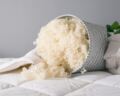
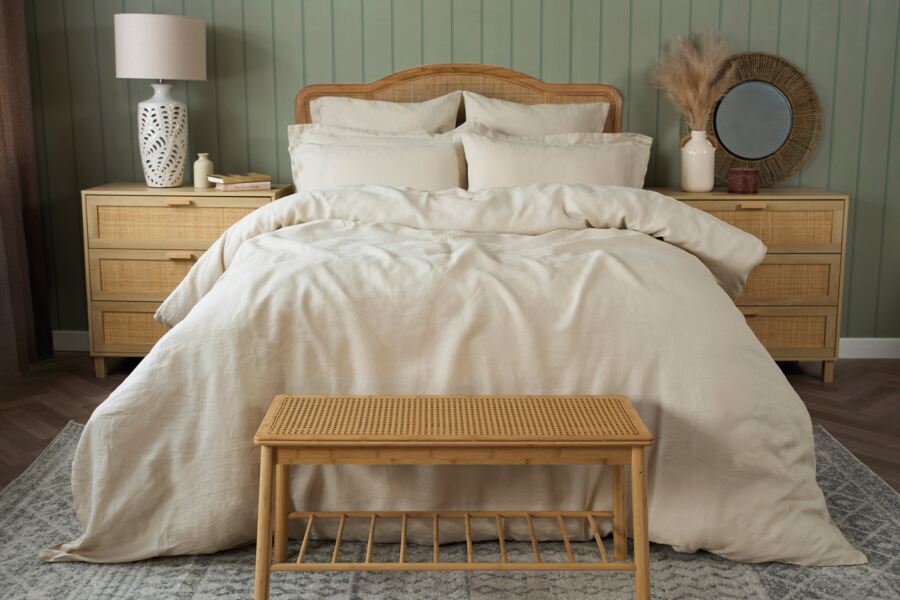
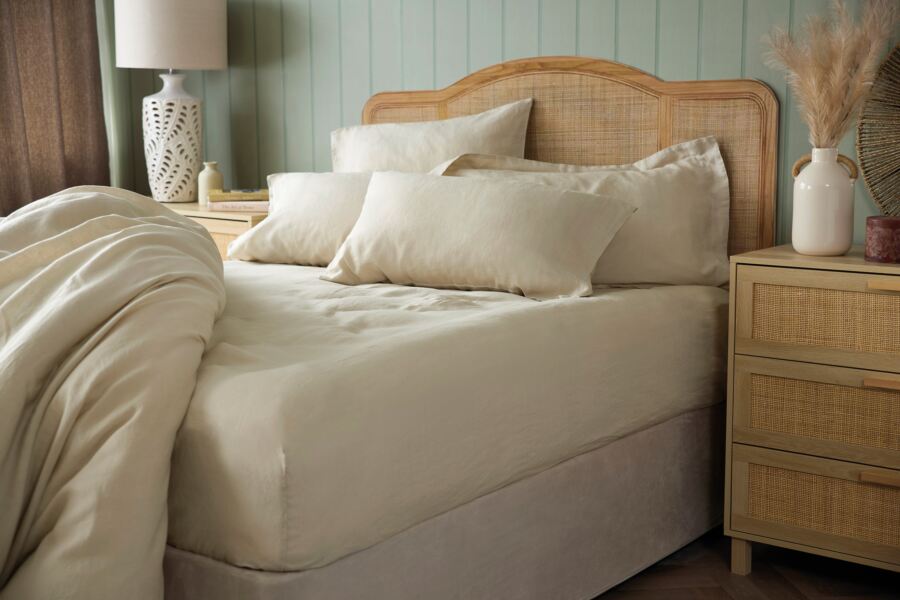
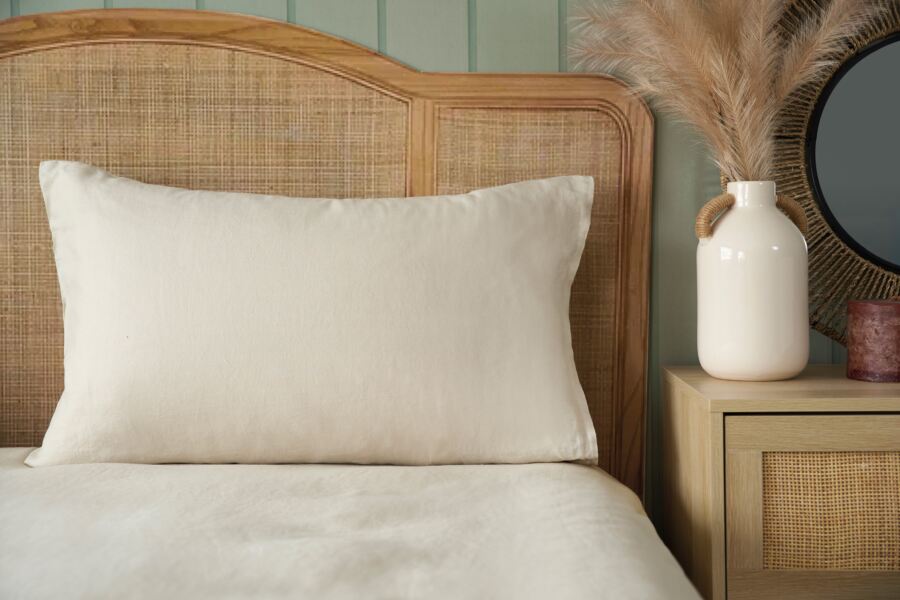
Linen is made from the fibres of the flax plant, and the fibre itself is hollow. That hollow structure is the reason linen breathes so well, allowing air to circulate and moisture to move away from the skin faster than cotton can manage. Our Pure Natural Linen range is woven from 100% flax, the genuine article rather than a blend.
The evidence here is not just anecdotal. A 2024 systematic review in the Journal of Sleep Research, drawing on research by Okamoto-Mizuno and colleagues, found that linen bedsheets improved sleep quality under warm conditions in young adults, with fewer awakenings and less time spent in light-stage sleep compared with cotton. The evidence base for bedding specifically is still modest, but the direction of the findings is consistent with what the fabric does physically.
Linen has a distinctive character that rewards understanding. New linen feels textured, almost crisp, against the skin, which some sleepers love from the first night and others need a few washes to settle into. It softens considerably with every wash and genuinely improves over years of use, which is one of the reasons linen bedding tends to outlast almost anything else on the bed.
It also creases readily, and the gently crumpled look is part of the point rather than a flaw to iron out. For sleepers who find that aesthetic restful, linen fits naturally into the bedroom. For those who prefer crisp, structured bedding, Egyptian cotton percale is the better starting point.
On sustainability, linen has one of the more defensible stories in the category. Flax needs significantly less water than cotton, grows without pesticides in most European regions, and is fully biodegradable. It is a rare case where the environmental claim holds up to scrutiny rather than being marketing language.
Choosing the right fabric for you
The useful question is not which fabric is best, but which fabric suits how you actually sleep. A few practical pointers from forty years of hearing customers describe their beds:
If you run hot at night, 100% linen or bamboo viscose will handle warm nights better than anything else. Cotton percale is the next step down and suits sleepers who prefer a crisper, more traditional feel.
If you run cold or like a weightier, softer feel, sateen cotton at 400 thread count or above suits most sleepers well. Egyptian cotton sateen at 600TC sits at the comfortable middle of that range.
If you have allergies or sensitive skin, bamboo viscose is often the kindest option, closely followed by long-staple cotton in a tight weave that can be washed at 60°C.
If you want one fabric to work through every season, 100% Egyptian cotton in a 200 or 400 thread count is the most versatile answer. It breathes in summer, warms in winter, and outlasts cheaper alternatives by a comfortable margin.
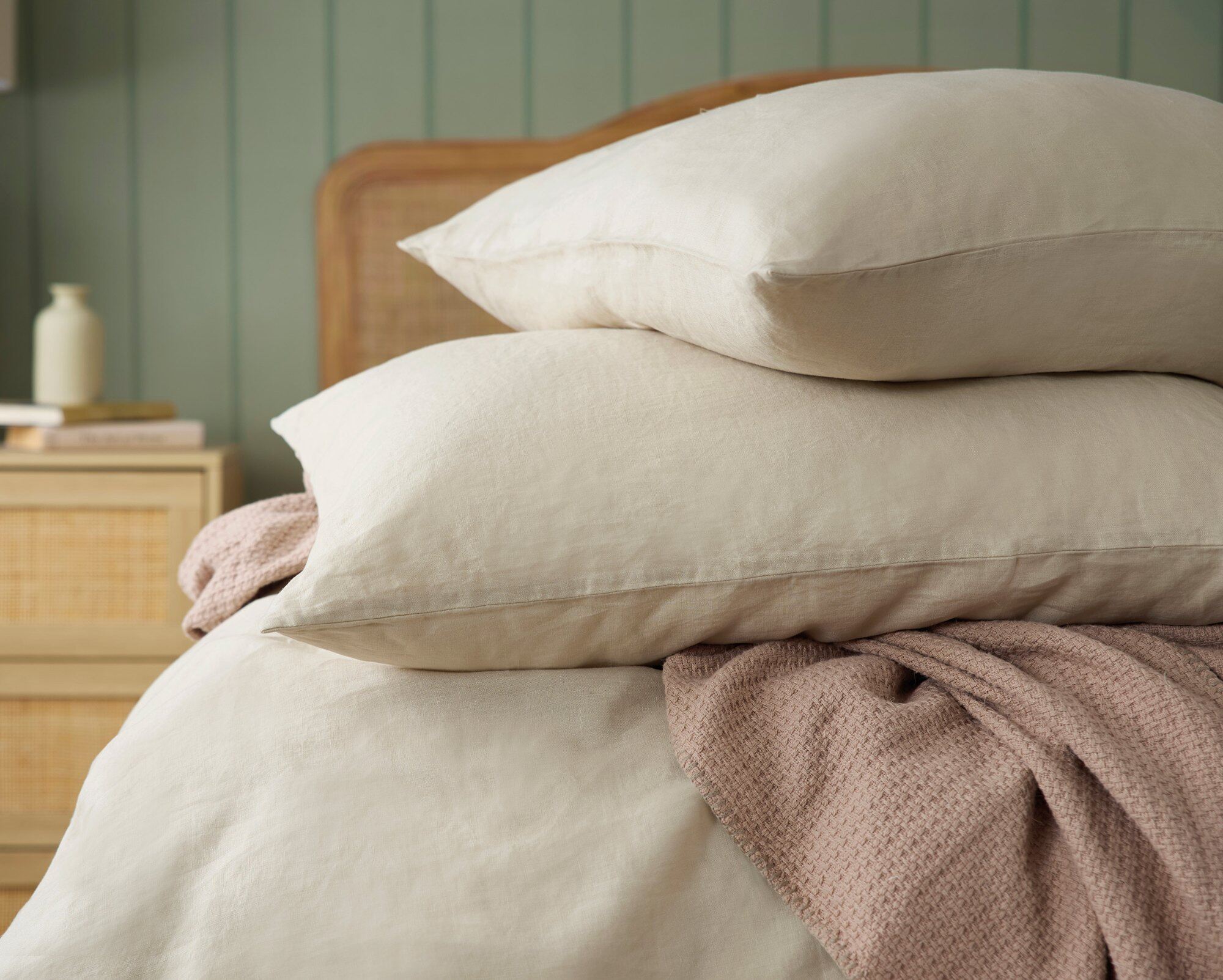
If you want bedding that looks relaxed, softens beautifully over years of use, and has genuine sustainability credentials, 100% linen is worth considering as your main fabric. It asks for a short adjustment period and rewards it with decades of use.
None of these choices are permanent. Most households end up with a small rotation of fabrics for different seasons and different feelings, which is a more useful way to think about bed linen than hunting for a single perfect sheet.
Sleep is shaped by a hundred small things: temperature, light, routine, stress, what you ate and when. Fabric sits among the quieter of those factors, but it is also one of the most consistent. A sheet that breathes properly and sits comfortably against the skin does its work every night, without being noticed.
Which is rather the point.
Natural fabric FAQs
What is the best fabric for sleep?
There is no single best fabric for sleep, because the right choice depends on how warm or cool a sleeper runs and what feel they prefer. Breathable natural fibres, including cotton, Egyptian cotton, bamboo viscose and linen, all outperform most synthetic fabrics for temperature regulation and moisture management. Starting with 100% cotton in a thread count between 200 and 600 is a reliable place to begin for most UK households.
What is the best material for regulating body temperature while sleeping?
Linen is the most effective natural fabric for temperature regulation, owing to its hollow fibre structure that allows air to circulate and moisture to escape quickly. Bamboo viscose is a close second, with similar moisture-wicking properties and a cooler touch than cotton. 100% cotton, particularly in a percale weave, also regulates temperature well and adapts year-round, which is why it remains the most popular bedding fabric in the UK.
How can I be sure bedding is genuinely natural?
The fabric composition label is the first place to check. A sheet described as 100% cotton, 100% linen or 100% bamboo viscose contains no synthetic fibres. Blended labels such as 60% cotton, 40% polyester, are not fully natural, and will breathe and wash differently. OEKO-TEX STANDARD 100 certification adds further reassurance, as it confirms the fabric has been tested against strict limits on harmful substances through every stage of production.
Cotton versus linen bedding: which is better for sleep?
Both are excellent natural choices, and the right answer depends on how you sleep and what you want from your bedding. Cotton is softer from the first night, easier to care for, and works well across all seasons. Linen is cooler, more breathable, improves noticeably with every wash, and research suggests it supports better sleep quality under warm conditions. Linen asks for a short adjustment period as it softens; cotton is comfortable from the first use. Many households end up with both, linen in warmer months and cotton through the cooler ones.
Percale versus sateen: which is better for sleep?
It comes down to temperature preference. Percale is a lighter, crisper weave that feels cool against the skin, making it well suited to warmer sleepers and summer months. Sateen is denser and smoother, with a soft lustre and a slightly warmer feel, which suits cooler sleepers and those who prefer a more substantial sheet. Both can be made to the same thread count; the difference is entirely in how the threads are woven.
Is bamboo bedding suitable for people with allergies?
Bamboo viscose is a strong option for allergy sufferers. Its smooth fibre structure and moisture-wicking properties create a drier sleep environment, which makes the bed less hospitable to dust mites. It is also gentle against sensitive skin, which matters for anyone with eczema or similar conditions. Pairing bamboo bedding with an anti-allergy mattress protector and a regular 60°C wash routine is the most effective combination for allergy-prone households.
How do sleepwear and bedding fibre types affect sleep quality: A systematic review. Journal of Sleep Research.