Platinum trusted service award

Table of Contents
- Is It Time to Change Your Bedding for Autumn?
- What Tog Duvet to Use In Autumn
- Should You Change Your Sheets for Autumn Too?
- What to Do With Your Summer Bedding
- Autumn Bedding FAQs
- Make Your Bed Ready for Cooler Nights
A good rule of thumb is to start changing your bedding when nighttime temperatures regularly fall below around 15°C, usually from around late September into October in the UK.
As the nights get cooler, you may notice your lightweight summer duvet isn't quite keeping you as cosy as it used to. But what tog duvet for autumn is best, and what else should you change?
You don't need to switch everything at once. Moving to a warmer duvet tog and swapping your sheets for a warmer-feeling fabric can help make your bed more comfortable for the cooler nights ahead.
Is It Time to Change Your Bedding for Autumn?
There isn't really a set date for switching to autumn bedding. Your bedroom temperature and how warm you like to be at night are much better guides than the calendar, especially since some UK bedrooms hold onto heat much longer than others.
Not sure if it's time to make the switch? Here are a few telltale signs to look out for:
-
You're waking up feeling cold. If you're waking up a lot more during the night because you're chilly, it might be time to put your summer bedding away.
-
The bed feels cold when you climb in. Those first few minutes under the covers shouldn't leave you shivering.
-
You're reaching for extra blankets. If you're constantly adding layers on top of your summer duvet, it might be time for something a bit warmer.
-
Your bedroom is getting noticeably colder. Feeling the chill more often at night? Your bedding might need a seasonal update.
The good news is you don't need to bring out your winter duvet just yet. Autumn is a transitional season, so why not try changing one thing at a time? You could start with warmer sheets or add an extra layer before moving from a lightweight duvet to one with a higher tog rating.
Your home makes a difference, too. A well-insulated bedroom might stay warm well into autumn, while unheated rooms or homes where the central heating hasn't been switched on can feel cold much sooner.
And remember, if you're waking up too hot, experiencing night sweats or throwing your duvet off during the night, you might've switched a little too early.
What Tog Duvet to Use In Autumn
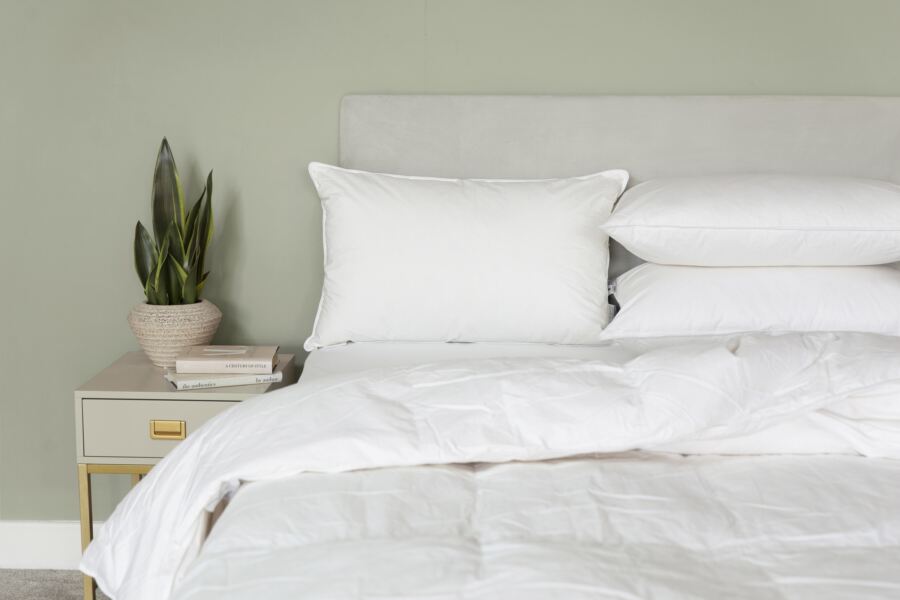
The best duvet tog rating for UK autumns is generally between 7.5 and 10.5 tog. But choosing the right tog mainly depends on your bedroom temperature and personal preference, such as how warm you'd like to be at night.
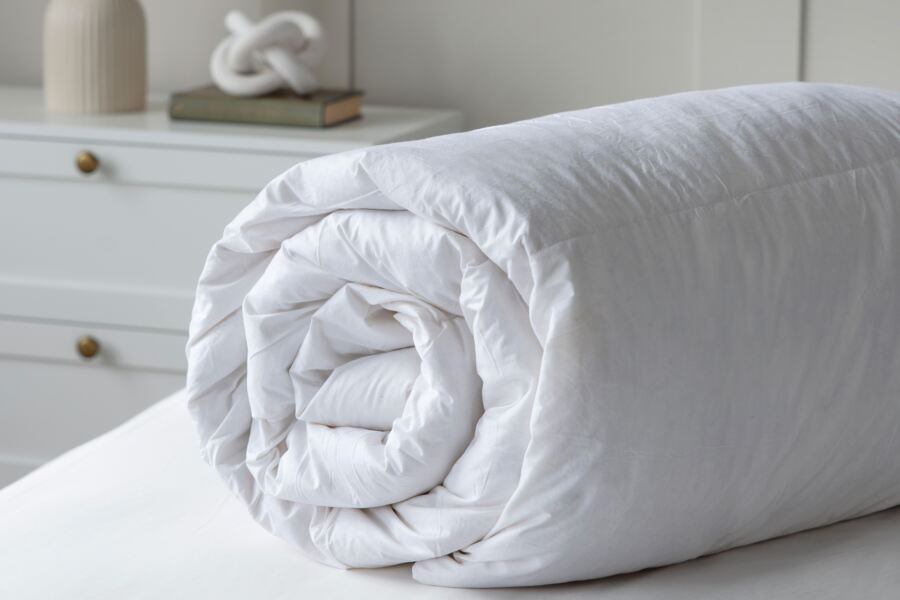
For most UK households, a 10.5 tog duvet is a good starting point. It offers more warmth (by trapping heat) than a lightweight summer duvet without the extra insulation you might need on the coldest nights.
Not sure what tog means? In a nutshell, tog measures thermal resistance. Generally, the higher the tog, the warmer the duvet is, but that doesn't necessarily mean it will feel heavy.
While 4.5 tog up to 7 tog is a lighter option and often enough for the summer months, autumn is a little trickier. Hot and cold sleepers can have very different needs, so there's no one-size-fits-all answer. Hot sleepers or anyone with a well-insulated bedroom might prefer a lower tog duvet for longer, but if you really feel the cold, a 13.5 tog duvet is standard for UK winters and could be more comfortable as colder weather creeps in.
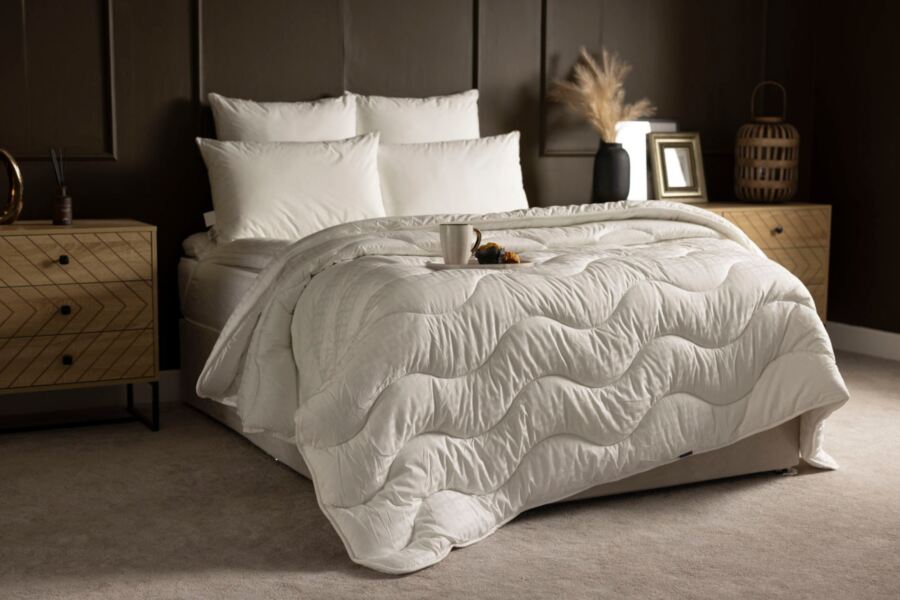
An all-season duvet is another good option for the changing UK seasons. These usually combine two duvets with different tog ratings, allowing you to adjust the warmth as temperatures change.

Should You Change Your Sheets for Autumn Too?
Your duvet isn't the only thing that affects your sleep quality. Changing your sheets can make a big difference as the colder months arrive, and it may mean that you don't need to reach for a high tog duvet quite as soon.
Moving away from summer fabrics
Crisp, breathable fabrics such as cotton percale and linen are popular during the warmer months because they allow air to circulate, so you feel cooler and more comfortable. And there's no need to stop using them just because autumn has arrived, especially if you're a hot sleeper.
Thread count (TC) and weave can also make a difference. Higher thread count cotton sateen (400TC and above) has a denser, smoother finish that holds onto heat better than lightweight percale. It's a lovely option if you want your sheets to feel a little cosier without switching to flannelette just yet.
If your sheets feel uncomfortably cool when you climb into bed, though, switching to a comfier fabric can give the transition into autumn a more luxurious feel.
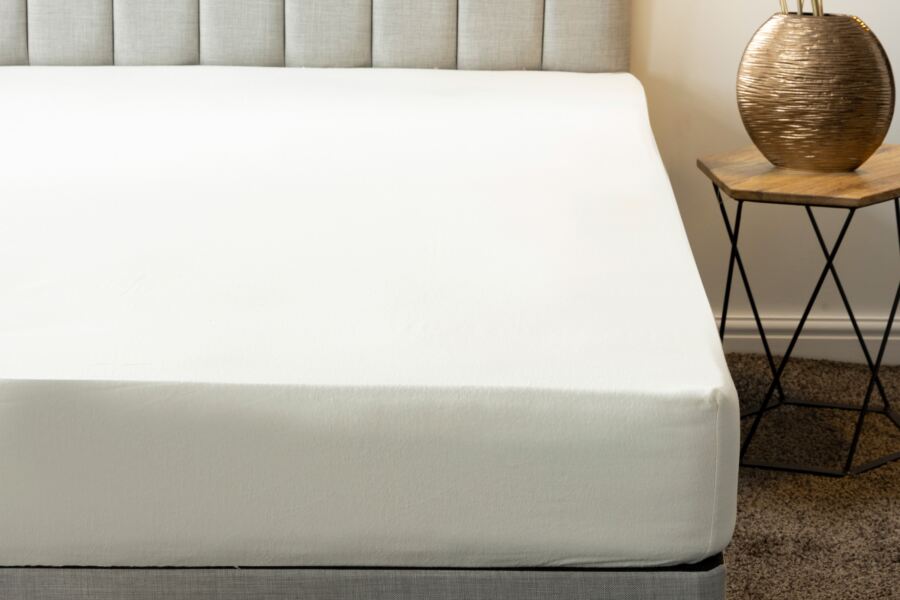
Try brushed cotton flannelette
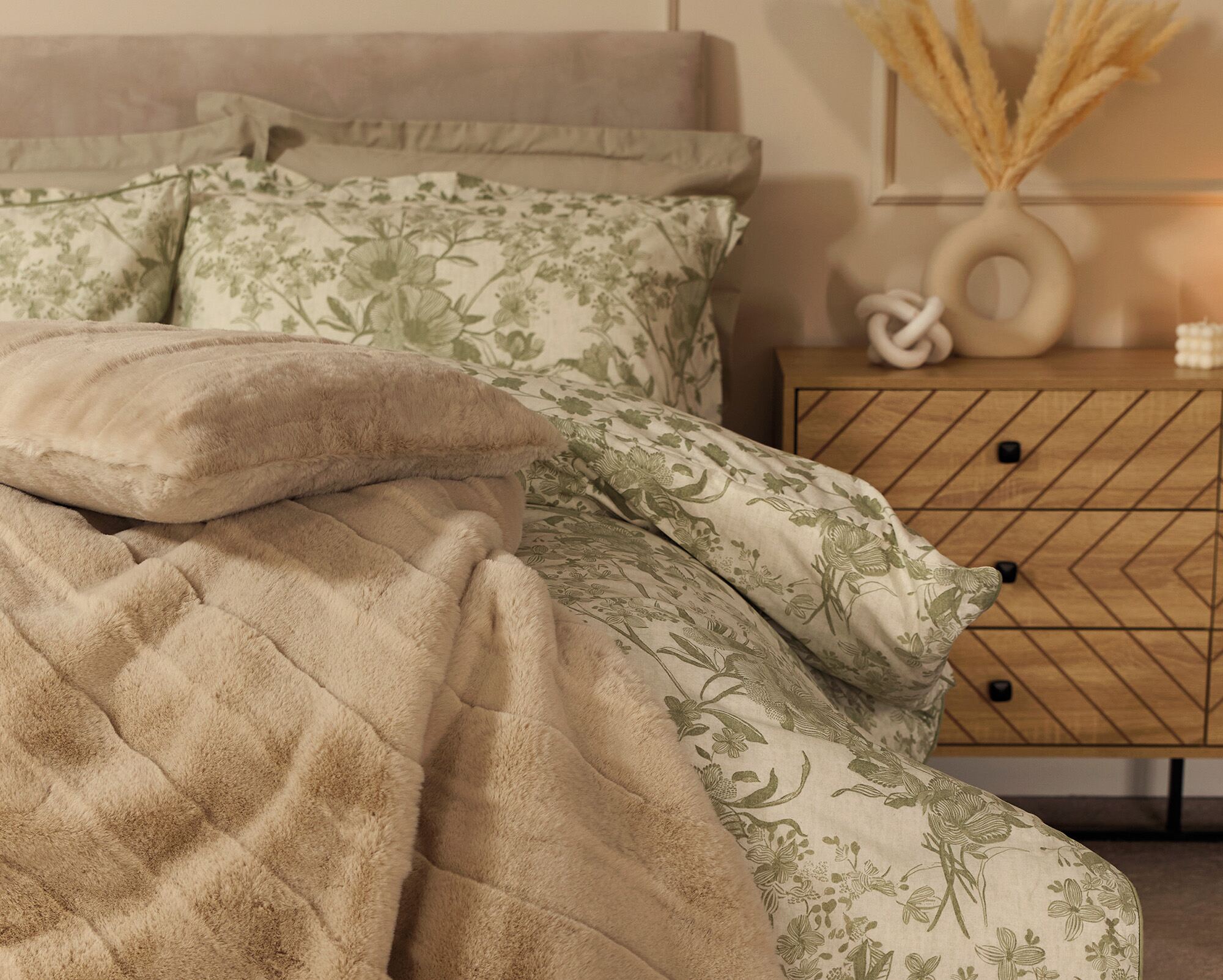
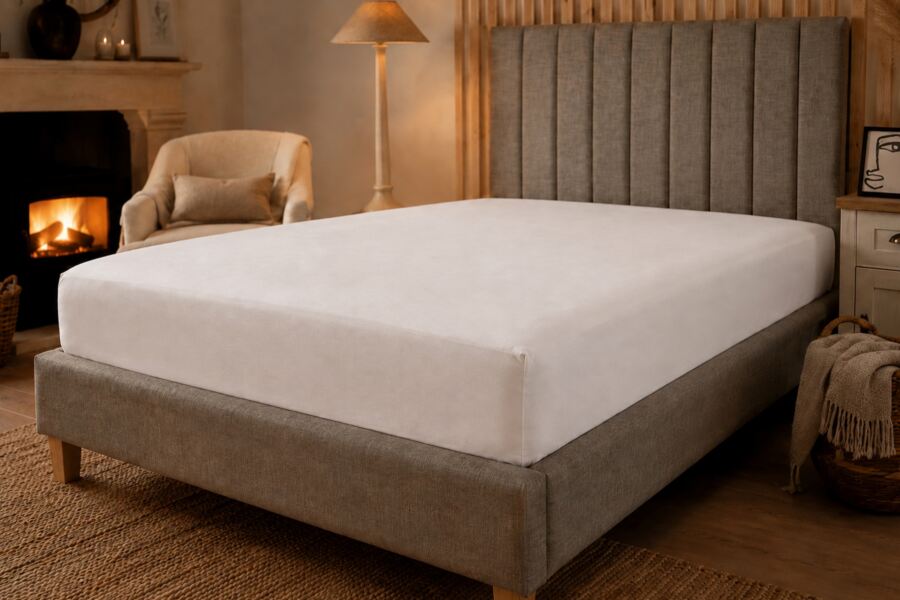
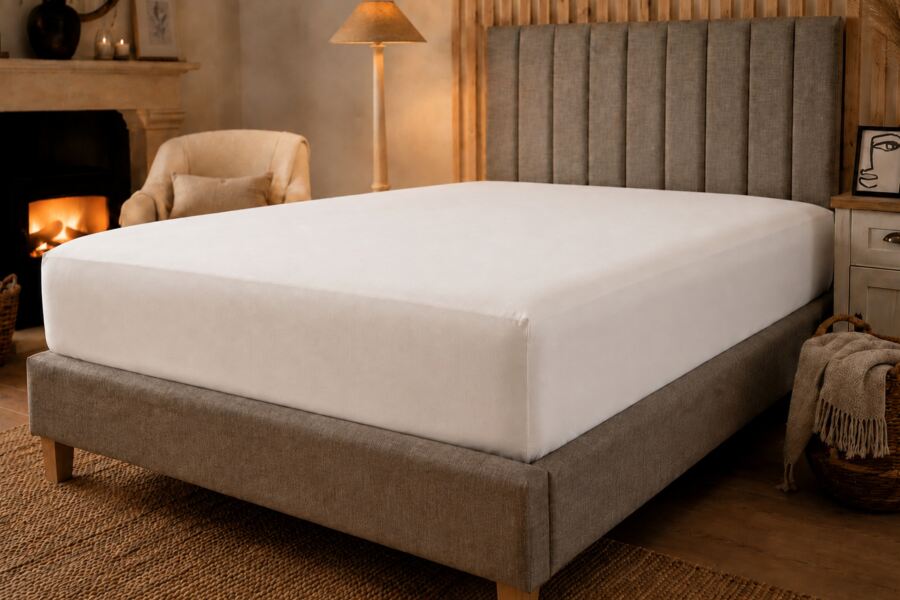
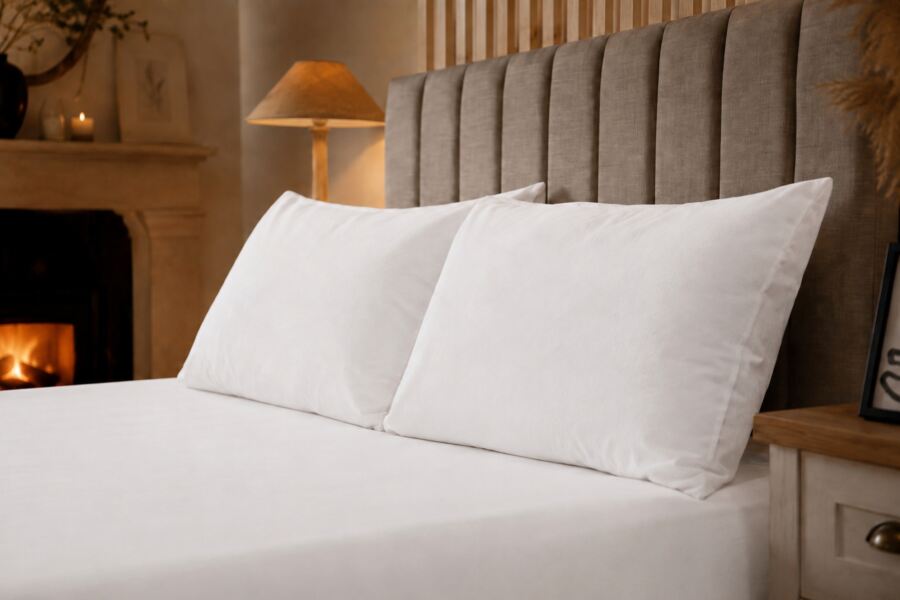
Brushed cotton flannelette is a great option once the temperature starts to drop. The cotton is gently brushed to create a soft, cosy surface that helps trap body heat. It's a popular choice for autumn and winter, especially if the cold hits you hardest at night.
Switching your sheets first also gives you an easy way to add extra warmth without replacing your duvet with a higher tog right away. As autumn progresses, you can adjust your duvet and other layers as needed.
What to Do With Your Summer Bedding
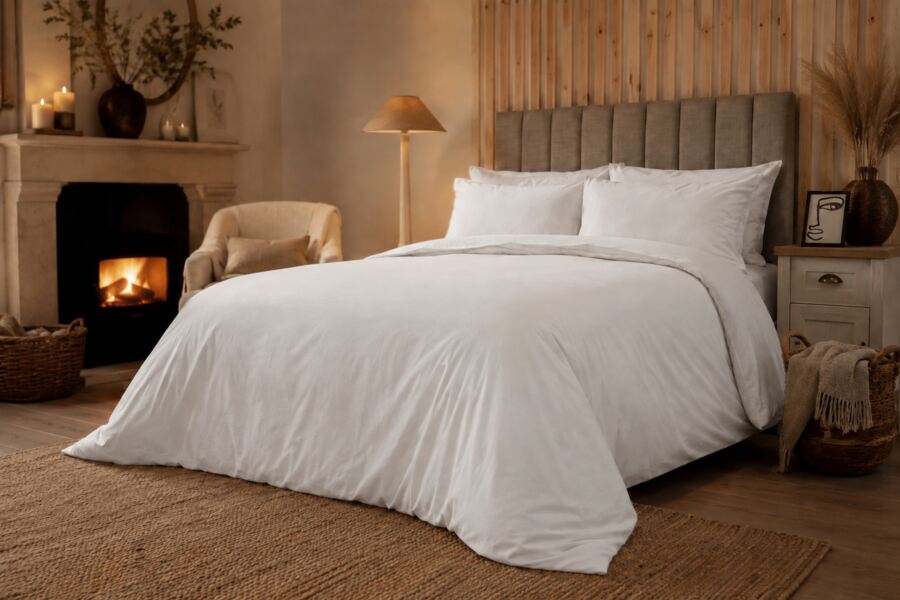
Once you've switched to warmer bedding, don't just push your summer sheets and duvet covers to the back of the cupboard. Here's how to better store them and keep them ready for the warmer months.
Wash them before storing
Wash used bedding before putting it away, as body oil, sweat, and other residue can cause unwanted odours over time. Always check the care label first, though, and follow the washing and drying instructions for the particular fabric. Washing sheets on a cool or warm wash cycle (30°C to 40°C) with a gentle, eco-friendly detergent is best.
Make sure everything is completely dry
Never store bedding while it's even slightly damp. Trapped moisture can leave fabrics smelling musty and could lead to mildew. Allow everything to dry thoroughly before folding and packing it away. Drying sheets and other bed linen in the sun is great, but sometimes, a quick spin in the dryer works just as well, too.
Choose the right storage
Fold your bedding neatly to save space and store it somewhere cool, clean, and dry. Breathable fabric storage bags are always a win, especially for bedding that's made from natural fibres. Where possible, stay clear of damp lofts, garages, or anywhere exposed to major changes in temperature and humidity.
Keep sets together
Save yourself the hunt for matching pillowcases and duvet covers next summer by storing complete bedding sets together. One easy trick is to fold your duvet cover, fitted or flat sheet, and one pillowcase neatly, then place everything inside the remaining pillowcase. You'll have the whole set in one convenient bundle when it's time to change your bedding again.
Autumn Bedding FAQs
What tog duvet should I use in autumn?
For many people, a 10.5 tog duvet provides enough thermal insulation for cooler autumn nights without being excessively warm. However, the right duvet depends on your bedroom temperature, whether you use central heating, and if you sleep hot or cold.
When should I switch to a winter duvet?
Consider switching to a winter duvet when your autumn one no longer keeps you comfortable. Waking up cold can be a sign of this. A higher tog can provide extra warmth on the coldest nights. However, not everyone will need a heavier duvet during UK winters.
What bedding is best for autumn?
Choose bedding that offers better insulation without trapping too much heat. Breathable fabrics and natural fillings can help regulate temperature, while materials that wick moisture may be especially useful if you tend to overheat.
How do I store summer bedding?
Wash and thoroughly dry your summer bedding before storing it in a breathable bag somewhere cool and dry. Keep complete sets together and avoid damp areas such as garages or poorly ventilated lofts, where moisture and changing temperatures can affect fabrics.
What tog is good for autumn and spring?
A 10.5 tog duvet is one of the most practical choices for transitional seasons in the UK, although your ideal tog depends on how warm your bedroom stays. An all-season duvet is another option if you'd rather adjust your bedding throughout the year than use the same duvet in every season.
Make Your Bed Ready for Cooler Nights
When night time temperatures start dipping below around 15°C, it's usually a good sign that your summer bedding needs a change. You don't have to switch everything at once, either. A warmer duvet tog, more insulating sheets, and an extra layer can help you stay comfortable as the nights get colder.
If you're ready to make the seasonal switch, explore our autumn bedding collection for cosy sheets, pillow slips, and bedding to help make those cooler nights a little more inviting.