 Platinum trusted service award

Table of Contents
- How Brushed Cotton Is Made
- Is Brushed Cotton Warm?
- Brushed Cotton vs Flannelette
- What to Look for When Buying Brushed Cotton Sheets
- How to Stop Brushed Cotton Pilling
- When to Switch Back in Spring
- Is Brushed Cotton Right for You?
- Brushed Cotton FAQs
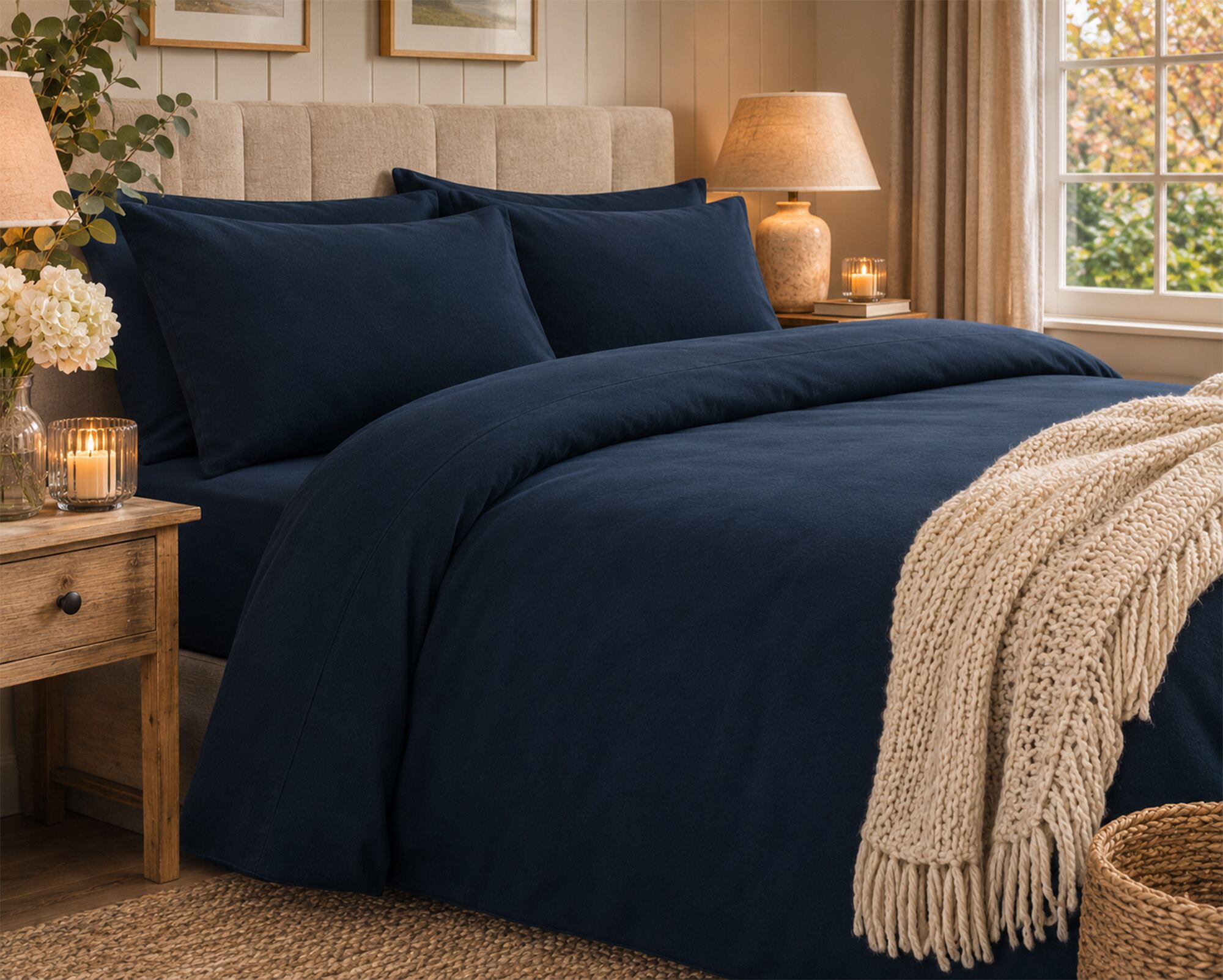
Brushed cotton is ordinary cotton fabric that has been brushed to lift the surface fibres, which makes it soft and warm to the touch. You get a sheet with a gentle, napped texture that feels cosy from the moment you get into bed.
Brushed cotton bedding is a winter favourite in plenty of UK homes, and lots of people swap it onto their beds as soon as the nights turn colder in autumn.
If you've been wondering "what is brushed cotton?", this guide explains how the fabric is made and what it feels like on a cold night. It also covers how to choose and care for your new set of brushed cotton sheets.
How Brushed Cotton Is Made
Brushed cotton fabric is made by taking a finished woven cotton fabric and brushing its surface to lift the fine fibres. The cotton itself comes from the same cotton plant as standard cotton sheets, so the difference is all in the fabric's finish.
The brushing process
The woven fabric passes under fine metal brushes that work over its surface. These brushes tease short surface fibres out of the yarn and lift them upright, which softens the face side of the cloth and slightly hides the weave underneath it. Some of the weaker fibres are cleared away before they're finished, leaving a soft surface rather than a loose, fluffy one.
Some brushed cotton is only brushed on one side (the face side), so the reverse keeps more of the smooth feel of regular cotton. Other fabrics are brushed on both sides for extra softness, which makes the material feel more like traditional flannel.
How brushed cotton holds warmth
Brushed cotton's raised fibres trap a thin layer of air close to your body. Your body heat warms that air, and the napped texture stops it escaping as quickly, so your bed feels warmer sooner.
Because the material is still cotton, air and moisture can easily pass through it. That means brushed cotton stays a breathable fabric, keeping you warm without leaving you feeling clammy.
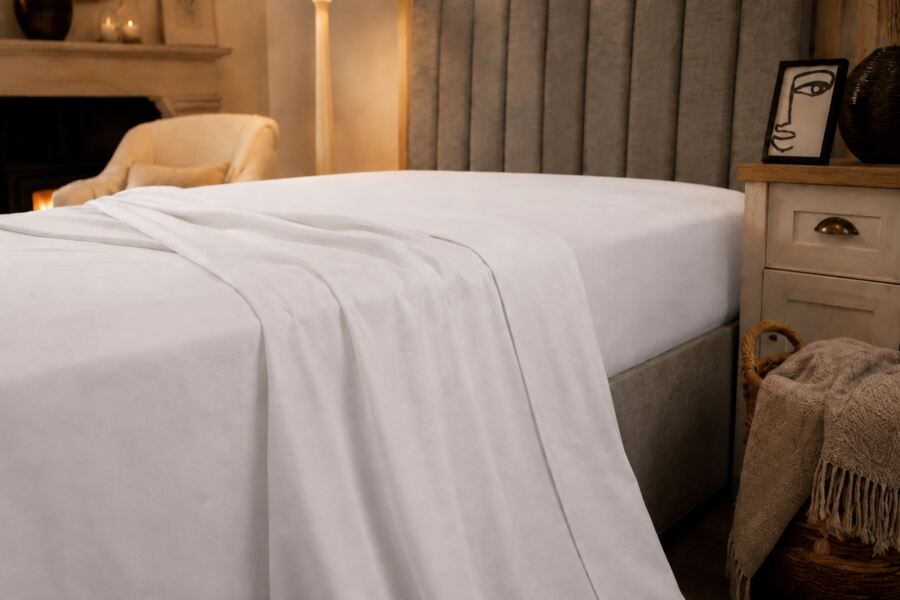
Our brushed cotton is woven from a heavier 165gsm (grams per square metre) cotton before it's brushed, giving it a thick, cosy, "peach fuzz" feel and texture.
Is Brushed Cotton Warm?
Brushed cotton is warm and snuggly, and you'll likely notice the difference between standard cotton sheets in the first few minutes after you get into bed. Smooth cotton sheets like percale can feel cool and crisp when you first climb in on a winter night. But brushed cotton sheets feel soft and cosy straight away.
You also get that warmth without the stuffy feeling that synthetic bedding can have. Cotton breathes wonderfully, so brushed cotton can keep you comfortable through the night instead of leaving you overheated, and it feels gentle against your skin.
If you're a hot sleeper, or your bedroom is already well heated, you might find it a little too warm. In that case, a smooth cotton sheet like percale will probably suit you better, or you could save your brushed cotton bedding for the coldest nights.
To see how brushed cotton compares with other warm fabric options, take a look at our guide to bed sheets to keep you warm at night.
Brushed Cotton vs Flannelette
In the UK, brushed cotton and flannelette usually mean the same kind of fabric: cotton with a brushed, raised surface.
Shops and bedding brands use the two names interchangeably, so you'll see both when you're buying new bedding. We describe our range as 100% pure brushed cotton flannelette, for example. Either way, what's written on the packaging matters far less than the weight of the fabric and how it feels against your skin.
If there's a difference between brushed cotton and flannelette, it usually comes down to how much the fabric has been brushed. Some makers only use the name flannelette for cotton that's been brushed on both sides, and call fabric brushed on one side brushed cotton.
Both are different from traditional flannel, though. Flannel was originally made from wool in Mid Wales, where it was brushed to create a soft, fuzzy surface that trapped air for warmth. These days, flannel is often made from cotton, too, and flannelette started out as a cotton version of the woollen original, which is why the names overlap so much.
What to Look for When Buying Brushed Cotton Sheets
When you're buying brushed cotton sheets, the two things that matter most are the depth of your mattress and the type of sheet you like. If you get these two things right, your sheet will stay smooth and in place all night long.
Size and depth
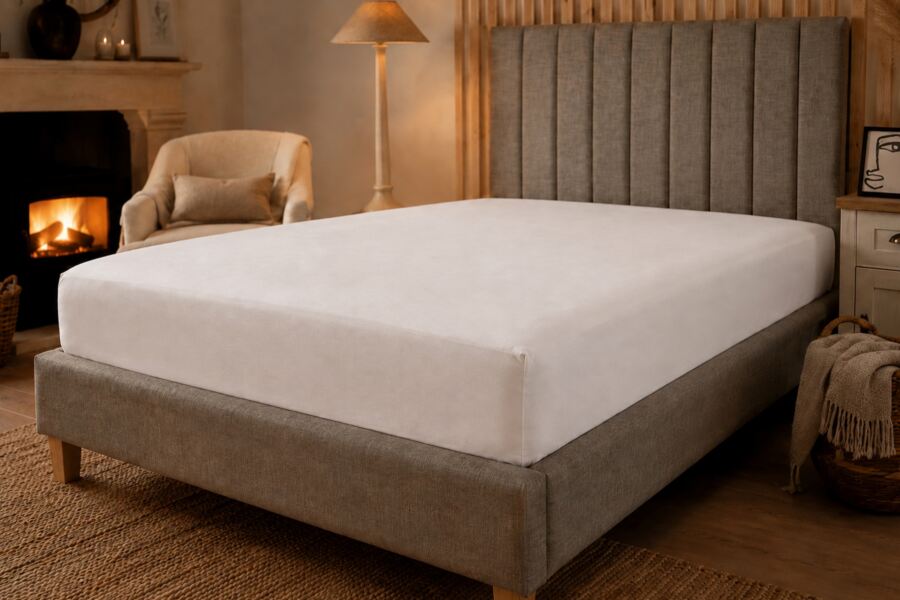
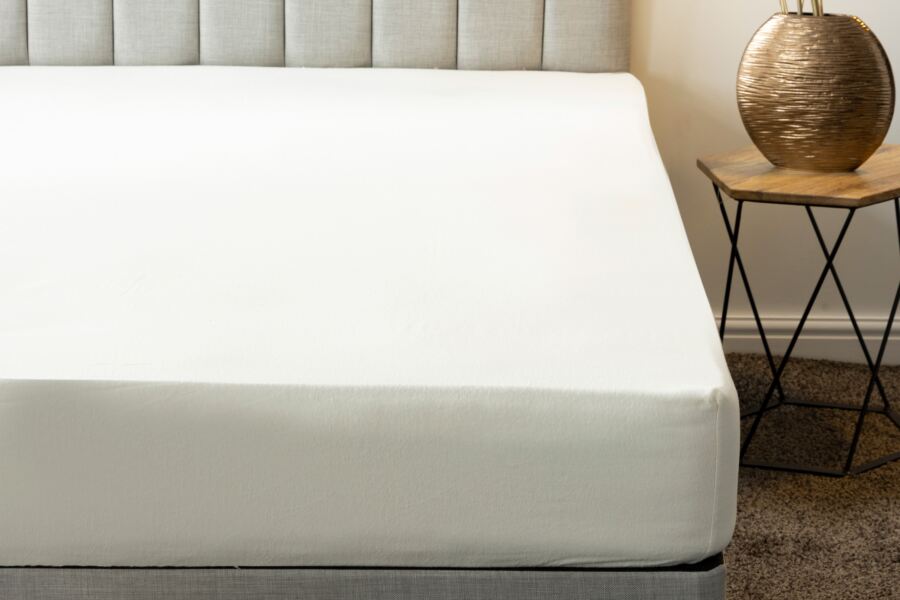
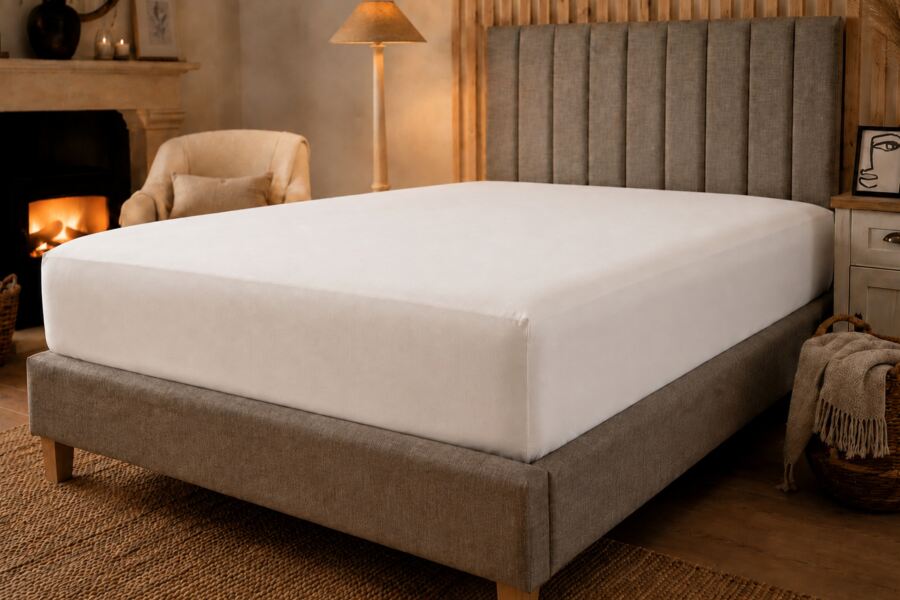
Start with your bed size, then measure the depth of your mattress, including any topper you may have. Our standard brushed cotton fitted sheet has a 30 cm pocket, which fits mattresses up to 22cm deep. If your mattress is thicker, the extra deep brushed cotton fitted sheets have a 38 cm pocket and fit mattresses up to 30cm (12") deep.
As a guide, look for a pocket that's 8 to 10 cm deeper than your mattress and topper put together, so there's enough fabric to tuck underneath. If you're unsure, go slightly deeper rather than shallower.
Fitted or flat sheets?
A fitted sheet suits most beds, as the elasticated corners hold the fabric in place while you sleep. Brushed cotton flat sheets are a good pick if you like a tightly tucked bed or want an extra soft layer under your duvet.
Plenty of people use both, with a fitted sheet on the mattress and a flat sheet on top. The flat sheet adds a bit of extra warmth and helps keep your duvet covers cleaner for longer. You can also add matching duvet covers and pillowcases to finish off the set and give it that classic look.
How to Stop Brushed Cotton Pilling
You can stop brushed cotton pilling, or at least slow it right down, by cutting back on the friction it's exposed to in the wash and the dryer. Pilling happens when the raised fibres rub together and form small bobbles, and excessive washing can speed this process up.
Wash at 30°C to 40°C
Wash your brushed cotton at 30°C to 40°C on a gentle cycle. Our brushed cotton sheets are machine washable at 40°C, while hotter washes weaken the fibres and can make the fabric shrink more than what's expected.
It’s also a good idea to wash new sheets before you use them, as brushed cotton can shed a little excess lint for the first few washes. Remember to clean your tumble dryer’s lint filter after every load.
Wash with like fabrics
Wash brushed cotton with other soft fabrics, like the rest of your brushed cotton bedding set or cotton nightwear. Rougher items like towels and jeans rub against the brushed surface and pull at the fibres, so keep those items for a separate load.
Try not to overfill the drum, either, as a packed machine adds more friction.
Use a mild detergent and avoid fabric softener
Wash brushed cotton with a mild liquid detergent, and avoid bleach or harsh chemicals that can strip and weaken the fibres. Leave out the fabric softener, too. Brushed cotton doesn’t need it, and it coats the fibres with a residue that weakens them over time, which can lead to more pilling and make the fabric less absorbent.
Dry on a low heat
Tumble dry brushed cotton on a low heat, or hang it out on the line out of direct sunlight. High heat is hard on cotton fibres and adds to shrinkage, so skip the long, hot tumble dry. If a few pills do appear, a fabric shaver will lift them off without damaging the sheet.
When to Switch Back in Spring
Switch back to lighter sheets in spring once your bedroom feels mild overnight and your brushed cotton feels too warm. If you're waking up hot or pushing the duvet covers off in the middle of the night, that's also a clear sign that it's time for a change.
Our guide to the autumn bedding switchover suggests changing your bedding when nights regularly drop below 15°C in the UK. In spring, go by how your bedroom feels rather than the calendar, as some people in colder houses keep brushed cotton on the bed year-round. But if you're planning to pack yours away, wash the set and let it dry fully before storing it until autumn.
Is Brushed Cotton Right for You?
Brushed cotton bedding is a great fit if you feel the cold at night and want a warmer bed without having to pile on heavy layers. It's the same cotton you use in the summer, just gently brushed for a cosy feel that still lets your skin breathe. It's also a popular fabric for children's pyjamas, as it is for winter beds!
If you're ready to make the switch, take a look at our brushed cotton sheets to find your size and colour, or browse our full brushed cotton range for matching duvet covers and pillowcases.
Brushed Cotton FAQs
What is brushed cotton?
Brushed cotton is a cotton fabric with a brushed finish that lifts the surface fibres. Those raised fibres give it a soft, slightly fuzzy feel and help it hold onto warmth.
Is brushed cotton warm?
Yes, brushed cotton is warmer than standard cotton fabric. The napped texture traps warm air next to your skin, so your bed feels cosy quickly while the cotton stays breathable.
Is brushed cotton the same as flannelette?
In the UK, brushed cotton is sometimes used interchangeably with flannelette. However, some makers only use the term 'flannelette' for fabric that has been brushed on both sides rather than just one.
Does brushed cotton bobble or pill?
Brushed cotton can pill, because lots of washing rubs the raised fibres into small bobbles. Cooler washes with similar fabrics help to keep pilling to a minimum, though, and so does drying it on a lower heat setting.
How do I wash brushed cotton sheets?
Machine wash them at 30°C to 40°C on a gentle cycle with the rest of your bedding. Skip the fabric softener, then tumble dry them on low or hang them out to dry. Be sure to check the care label first on any new brushed cotton set you buy first, though, as this always takes priority over general advice.
When should I switch to brushed cotton sheets?
You can make the switch when your bed feels cold when you climb in, or when nights regularly drop below about 15°C. In the UK, that's often from late September into October.